
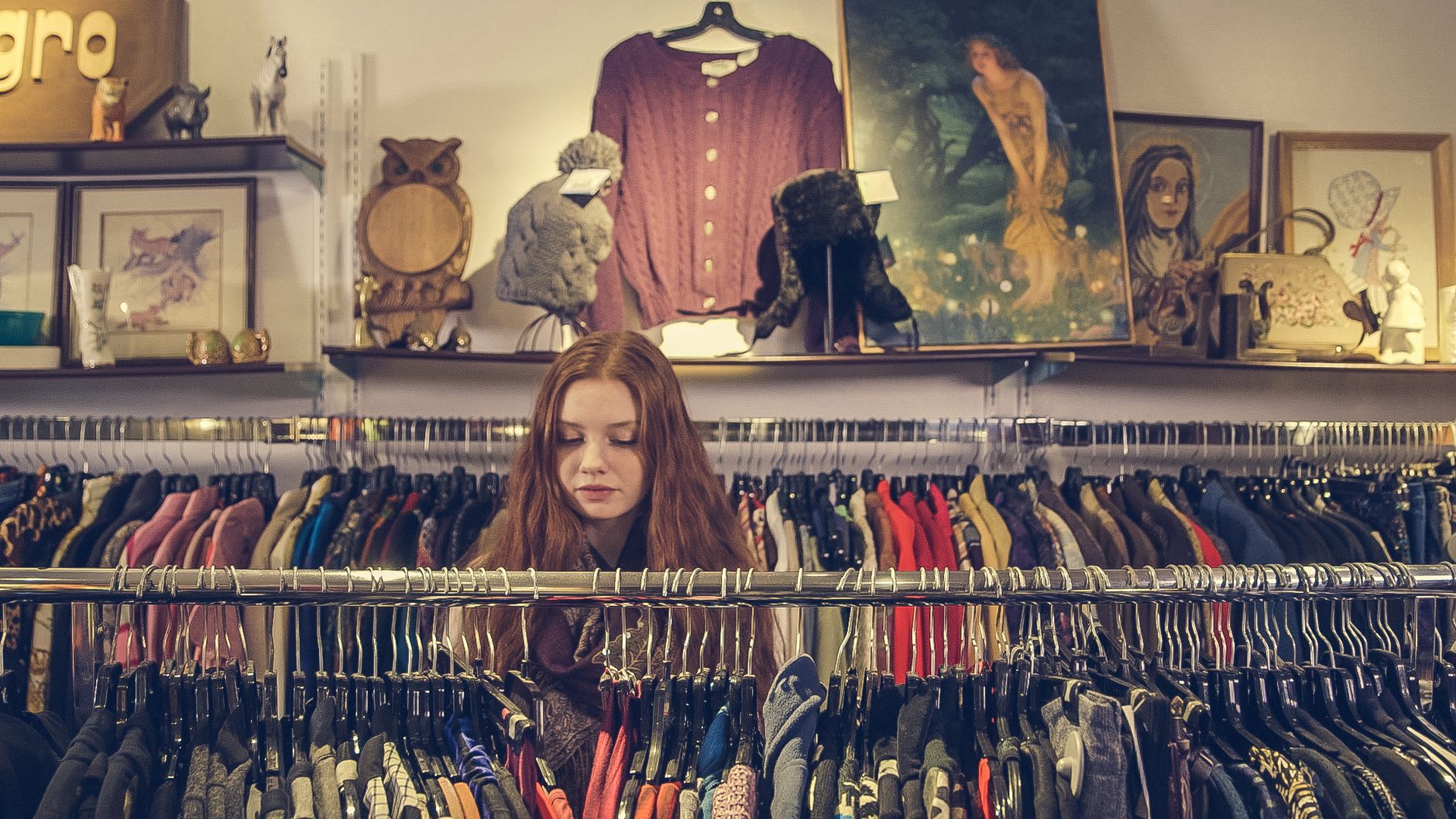
In the mid-1980s, Manchester emerged as a vibrant epicentre for second-hand fashion, with Affleck’s Palace at its heart. This indoor emporium, which opened its doors in 1982, quickly became a magnet for students, creatives, and fashion enthusiasts seeking unique vintage finds. Its rise marked a significant moment in the city’s cultural and retail landscape, reflecting broader shifts in fashion consumption and youth identity.
Affleck’s Palace: A Marketplace Unlike Any Other
Located in the Northern Quarter, Affleck’s Palace was more than just a shopping destination—it was a community hub. Unlike traditional department stores or high-street chains, Affleck’s hosted a collection of independent traders, each offering carefully curated vintage clothing, accessories, and oddities. This patchwork of stalls created a dynamic environment where shoppers could explore a diverse range of styles, from retro sportswear to eclectic designer pieces.
By 1986, the venue had gained national attention, partly thanks to visits from influential figures such as designer Jeff Banks. Banks, known for his keen eye and contributions to British fashion, highlighted Affleck’s as a crucial stop for anyone interested in the cutting-edge of style. His endorsement, broadcast on BBC One’s The Clothes Show, helped cement the Palace’s reputation beyond Manchester, showcasing it as a beacon of alternative fashion.
The Rise of Vintage and Second-Hand Fashion in Manchester
The popularity of Affleck’s Palace coincided with a growing cultural appetite for vintage fashion across the UK. In the 1980s, economic pressures and a burgeoning youth culture fueled a desire for individuality, often expressed through clothing. Second-hand shops and markets became the go-to places for those who wanted to reject mass-produced trends in favour of distinctive, affordable pieces.
Manchester’s status as a university city contributed significantly to this trend. Students, often with limited budgets but a strong desire for self-expression, found Affleck’s Palace an ideal venue. The emporium’s eclectic mix of traders offered everything from punk-inspired jackets to classic 1950s dresses, catering to a wide array of tastes and subcultures.
Legacy and Influence on Manchester’s Fashion Scene
Affleck’s Palace played a pivotal role in shaping Manchester’s identity as a centre for alternative culture and fashion. Its success helped to establish the Northern Quarter as a creative quarter, attracting artists, musicians, and designers who found inspiration in the area’s unique atmosphere. This laid the groundwork for the district’s ongoing reputation as a hotspot for independent retail and cultural innovation.
Moreover, the Palace’s model of independent traders operating under one roof has influenced how vintage and alternative fashion markets operate today. It demonstrated the viability of collective retail spaces that celebrate individuality and diversity, a concept that continues to thrive in Manchester and beyond.
From 1986 to Today: The Enduring Appeal of Vintage Fashion
While the retail landscape has dramatically changed since the 1980s—with the rise of fast fashion and online shopping—the allure of vintage clothing remains strong. Affleck’s Palace, now simply Affleck’s, still operates as a beloved institution, continuing to serve new generations of shoppers drawn to its unique mix of nostalgia and style.
The story of Affleck’s Palace is a testament to how second-hand fashion can foster community, creativity, and sustainability long before these became mainstream concerns. It remains a symbol of Manchester’s rich cultural tapestry, reflecting a city that has always embraced the unconventional and the authentic.
Recommended reading
For more context, see related Peack News coverage and explainers linked below.