
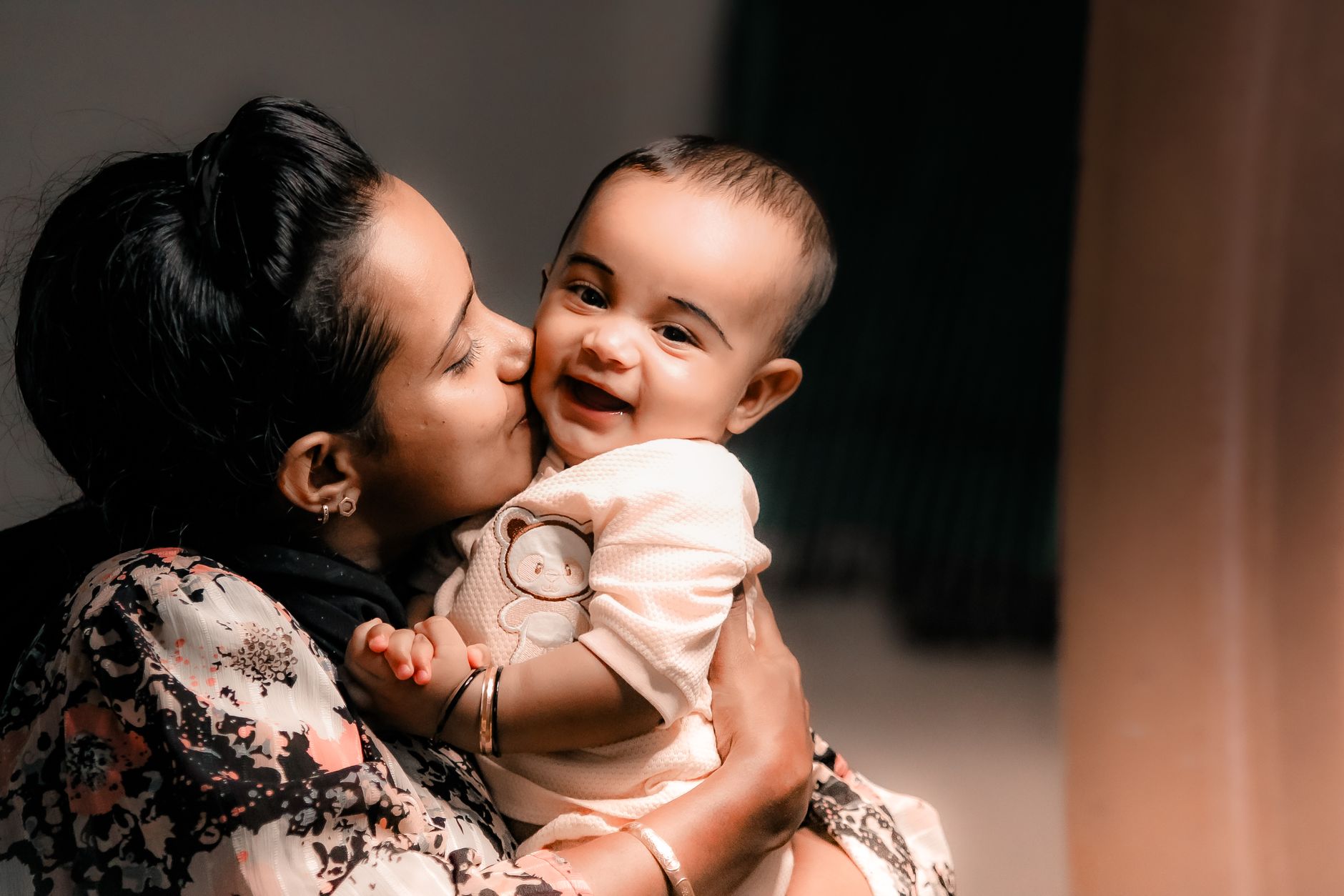
Motherhood is often depicted as a radiant, joyous journey, but Bollywood actor Kalki Koechlin’s new play Belly of the Beast shatters this idealized image by exposing the multifaceted and often unspoken realities that many mothers face. Adapted from her 2021 book The Elephant in the Womb, the play unflinchingly portrays the emotional, physical, and societal challenges of motherhood in India, a country where motherhood is venerated but rarely discussed beyond its surface-level glory.
Challenging the Glorified Narrative of Motherhood in India
In India, motherhood is traditionally viewed as a sacred duty and the ultimate fulfillment for women. Public discourse tends to emphasize the “gift” of motherhood, celebrating childbirth as a joyous milestone. However, Belly of the Beast confronts the darker, often hidden aspects of this experience — the hormonal upheavals, identity loss, exhaustion, and mental health struggles like postpartum depression that are frequently swept under the rug.
Kalki Koechlin, who co-created the play with theatre director Sheena Khalid, stresses that society’s reluctance to acknowledge these difficulties stems from a collective fear: if mothers openly expressed their struggles, it might expose how taxing and thankless motherhood can be, potentially threatening societal norms that depend heavily on women’s unpaid labor.
Voicing the Invisible Labor and Emotional Toll
The play follows five women at different stages of motherhood, from pregnancy and labor to the relentless demands of raising young children while juggling professional responsibilities. Through these narratives, the production highlights the disproportionate burden placed on women in India, where childcare and domestic work often exclude mothers from the workforce. Government data reveals that nearly 69% of women in Indian cities are out of the labor force due to childcare and household duties, compared to just 1% of men.
Kalki points out the paradox many working mothers face today. They are expected to excel professionally while simultaneously being “supermums” at home, managing domestic tasks with precision. This double bind generates immense pressure, often self-imposed, as women internalize societal expectations of perfect motherhood.
Breaking Taboos Around Miscarriage and Mental Health
One of the play’s most poignant themes is miscarriage and the stigma surrounding it in Indian society. The character Shruti Vyas portrays is based on her own experience with miscarriage, shedding light on the invisible grief that many women endure in silence. The societal response often trivializes or overlooks this pain, with insensitive remarks like “you look fine” minimizing the emotional trauma.
By bringing this narrative to the stage, Belly of the Beast challenges audiences to confront uncomfortable truths and recognize that grief and healing are deeply personal and valid, even when invisible. The play’s reception in Delhi, where audiences openly acknowledged the need for such conversations, signals a growing appetite for more honest portrayals of motherhood.
Humor and Levity Amid Heavy Themes
Despite tackling heavy subjects such as abortions, postpartum depression, and identity loss, the play balances intensity with moments of humor and levity. Director Sheena Khalid explains that this tonal variation helps audiences engage with difficult topics without feeling overwhelmed, making the experience both cathartic and accessible.
This approach reflects a nuanced understanding of motherhood itself — a complex mix of joy, pain, exhaustion, and occasional hilarity. It also underscores the importance of creating spaces where mothers can express a full spectrum of emotions without judgment.
Implications for Gender Roles and Social Change
Belly of the Beast is more than a theatrical production; it is a social commentary that questions entrenched gender roles and calls for a reevaluation of how society values motherhood. By exposing the emotional and physical labor mothers perform, the play advocates for greater empathy and shared responsibility among families and communities.
Kalki Koechlin emphasizes that mothers should feel empowered to seek support from fathers and other family members without guilt, dispelling the myth that the household will collapse if they step back. This message is critical in a society where women’s work inside the home remains largely invisible and undervalued.
As India continues to grapple with evolving gender dynamics, Belly of the Beast offers a timely and necessary dialogue about the realities of motherhood — one that could inspire more inclusive policies, workplace flexibility, and mental health support tailored to mothers’ needs.
Ultimately, the play invites audiences to move beyond idealized stereotypes and embrace the messy, complex truth of motherhood — a truth that deserves recognition, respect, and open conversation.
Recommended reading
For more context, see related Peack News coverage and explainers linked below.