
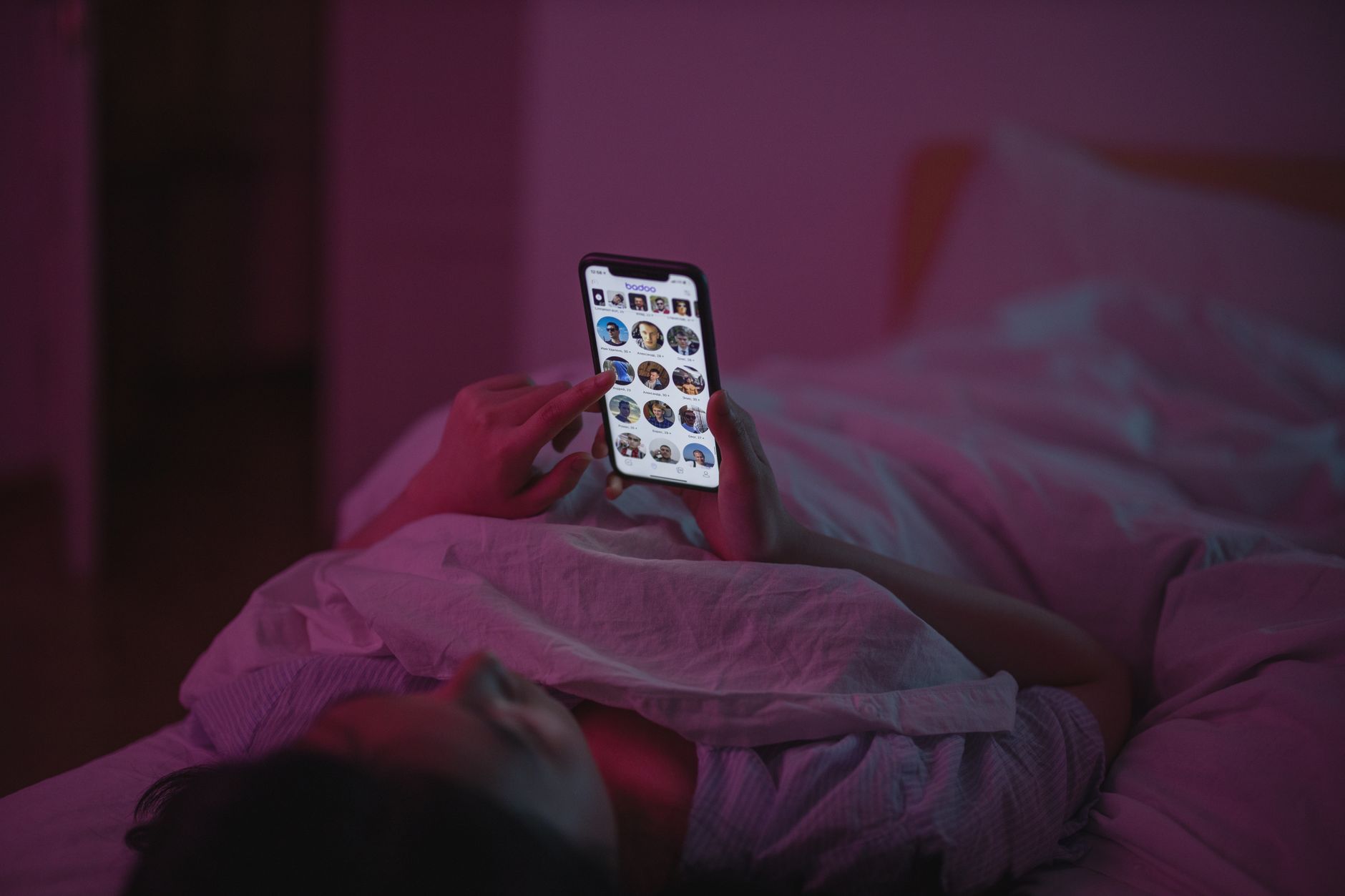
The UK government has unveiled plans to impose a social media curfew for 16 and 17-year-olds, restricting access to popular platforms like Instagram, TikTok, and YouTube from midnight to 6 a.m. by default. While teenagers can opt out by adjusting their account settings, the move is part of a broader effort to tackle the negative impacts of social media on young people’s mental health, sleep, and family life. Yet, the announcement has sparked debate over its effectiveness and whether it addresses the root challenges of online safety for youth.
Curfew Aims to Improve Teen Wellbeing but Faces Criticism
The proposed curfew is designed to help older teenagers get better sleep, concentrate more on schoolwork, and foster healthier family interactions by limiting late-night social media use. Technology Secretary Liz Kendall emphasized the importance of balancing the benefits of technology with safeguards that allow young people to thrive online.
Alongside the curfew, the government wants to disable addictive features such as auto-play and infinite scroll by default, which are widely blamed for encouraging excessive screen time. These measures follow the government’s earlier announcement to ban under-16s from a range of social media platforms entirely, reflecting a stepped approach to regulating youth access to digital spaces.
However, critics argue the curfew is a piecemeal solution that fails to tackle the complexity of children’s online experiences. Laura Trott, the Conservative shadow education secretary, dismissed the plan as ineffective, pointing out that allowing teens to opt out undermines the curfew’s purpose. Child safety advocates also warn the curfew could inadvertently harm vulnerable youths who rely on late-night online connections for support.
Balancing Protection and Autonomy for Older Teens
The government’s approach attempts to strike a balance between protecting teenagers and respecting their autonomy. By making the curfew opt-out rather than mandatory, officials acknowledge that 16 and 17-year-olds are on the cusp of adulthood and capable of making choices about their digital lives.
Yet, this flexibility raises questions about enforcement and impact. If many teens simply disable the curfew, its benefits could be limited. Moreover, experts like Professor Sonia Livingstone from the London School of Economics caution that blanket restrictions could cut off access to vital support networks during vulnerable moments, suggesting a more nuanced approach is needed.
Dame Rachel de Souza, Children’s Commissioner for England, echoed the need for policies that protect against addictive design features rather than outright bans. She stressed the importance of monitoring how these measures are implemented and working with regulators like Ofcom to ensure safer online environments.
Lessons from Trials and International Comparisons
The UK government’s proposals build on a recent trial involving 300 teenagers, testing various restrictions including overnight curfews, time caps, and complete app disablement. The trial found that curfews produced the most noticeable improvements in sleep and family engagement while being the easiest for parents to manage.
Despite these promising findings, some experts urge caution. Pete Etchells, professor of science communication, highlighted the limited scale of the study and the complexities of how families might adapt over the long term. The trial results offer valuable insights but do not provide a definitive solution.
Internationally, the UK’s plans echo Australia’s recent ban on social media use for under-16s, which has faced criticism for enforcement challenges and widespread circumvention by teens using VPNs or other workarounds. The UK government has downplayed concerns about VPN use among children, citing research that suggests it is not widespread.
Looking Ahead: A Fragmented Digital Safety Landscape
The social media curfew proposal highlights the ongoing struggle to craft effective policies that protect young people online without stifling their digital freedoms. While the government’s layered approach—combining age-based bans, curfews, and feature restrictions—signals a commitment to tackling online harms, critics see it as a patchwork rather than a comprehensive strategy.
As the UK prepares to introduce these measures by 2026, the challenge will be ensuring they are enforceable, meaningful, and sensitive to the diverse needs of teenagers. The debate underscores a broader tension in digital regulation: how to empower young users while safeguarding their wellbeing in an ever-evolving online landscape.
Recommended reading
For more context, see related Peack News coverage and explainers linked below.