
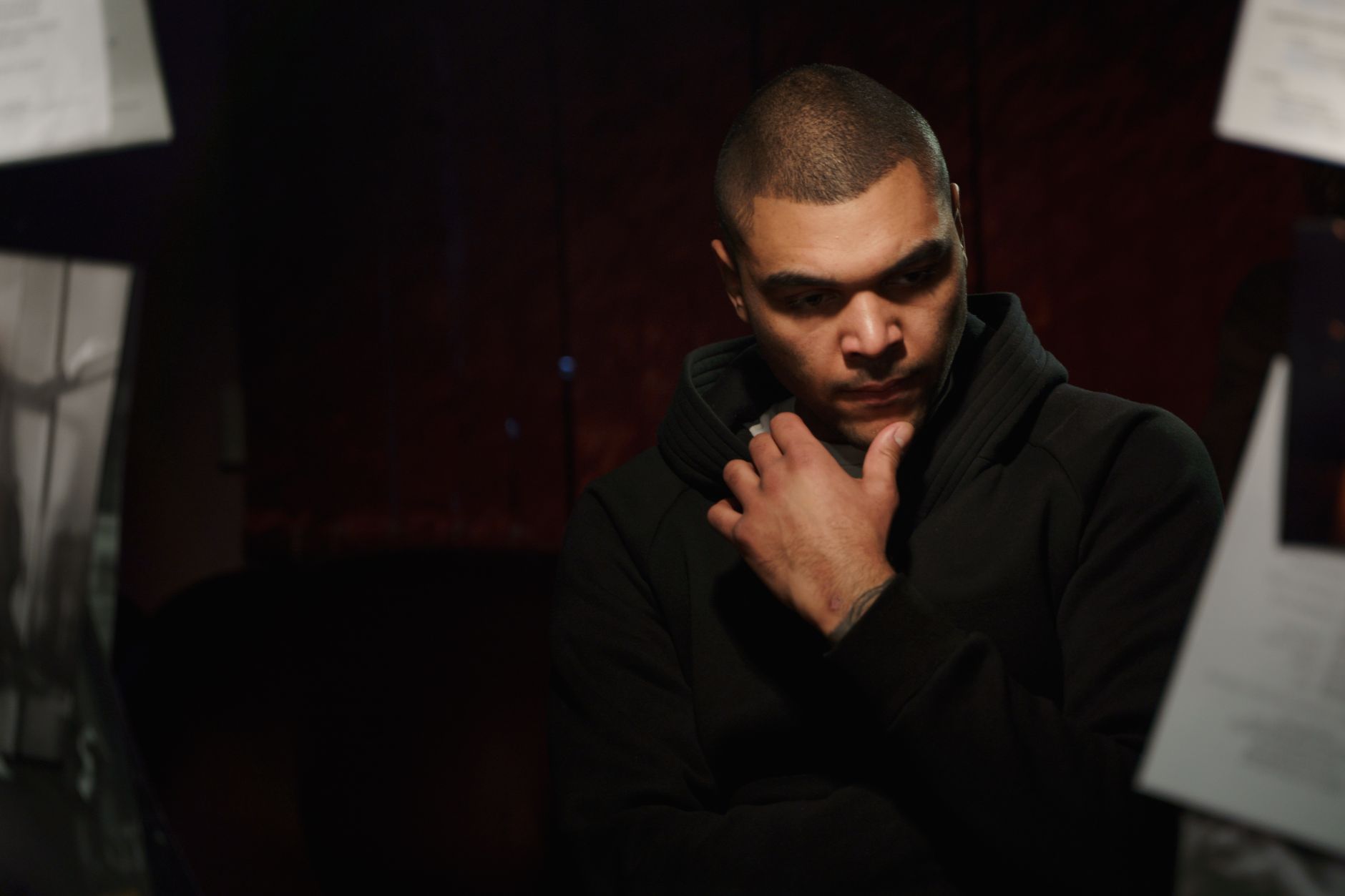
Qasim Akhtar, known for his role as Zeedan Nazir on the long-running ITV soap Coronation Street, has secured a significant legal victory against The Sun’s publisher, News Group Newspapers (NGN), after a damaging libel case. The actor was awarded substantial damages following the publication of a false and defamatory story that linked him to extremism and violent radicalisation. This settlement not only restores Akhtar’s reputation but also serves as a stark reminder of the responsibilities media outlets bear when reporting on public figures.
False Allegations and Their Impact on Akhtar’s Life
In November last year, The Sun published an article alleging that Akhtar had “backed” and “teamed up with” Islamic cleric Uthman ibn Farooq, insinuating his involvement in extremist activities. The story further claimed he had relocated to Pakistan and undergone firearms training—accusations that the actor vehemently denied. These claims were not only baseless but deeply damaging, casting a shadow over his personal and professional life.
The fallout was severe. Akhtar’s lawyer revealed that the defamatory article caused serious harm to the actor’s reputation, extending to his family and business interests. The distress was so profound that Akhtar had to put his career on hold while the matter was addressed legally. In a candid Instagram post, Akhtar described the previous six months as “very tough,” highlighting the emotional toll the false allegations took on him and those close to him.
The Legal Battle and Admission of Fault
Akhtar initiated libel proceedings against NGN earlier this year, contending that The Sun had failed to verify the claims or seek his response before publication. His legal team emphasized that the newspaper’s negligence exacerbated the harm caused by the article. The High Court case did not proceed to a full trial, as both parties agreed to settle.
In a statement read out in court, NGN acknowledged the serious harm caused to Akhtar’s reputation and distress, agreeing to pay substantial damages and cover his legal costs. The publisher also issued an unreserved apology, admitting that the article should never have been published and promising never to repeat such allegations. This admission underscores how media outlets must uphold rigorous standards of fact-checking, especially when accusations can irreparably damage lives.
The Broader Context of Media Libel and Public Figures
Akhtar’s case highlights the precarious position public figures occupy in the media landscape. Actors, musicians, and other celebrities often face intense scrutiny, and the line between legitimate public interest and sensationalism can blur dangerously. False allegations of extremism or criminal behaviour are particularly pernicious, given the social stigma and potential legal consequences they carry.
In recent years, the UK has seen a number of high-profile libel cases that expose the risks of irresponsible journalism. The rise of online news platforms and social media has increased the speed at which unverified information can spread, making it imperative for publishers to exercise caution. Akhtar’s successful claim sends a clear message that reputations cannot be sacrificed for clicks or headlines.
What This Means for Qasim Akhtar’s Future
While the settlement cannot undo the damage caused, it provides Akhtar with a measure of vindication. The actor, who has also appeared in popular series such as Shameless and Waterloo Road, can now focus on rebuilding his career without the cloud of false accusations. The public apology from The Sun helps to clear the air, but the episode serves as a cautionary tale about the fragility of public trust.
For Akhtar, the ordeal may also prompt a broader conversation about the support systems available to actors and public figures when confronted with defamatory media coverage. The emotional and professional impact of such stories is often underestimated, and his experience could inspire calls for stronger protections and faster remedies in libel cases.
Lessons for Media Ethics and Accountability
The Sun’s admission of failure to seek Akhtar’s response before publication is a critical point. Journalistic integrity demands that subjects of potentially damaging stories are given the opportunity to comment or refute allegations prior to publication. This case exemplifies how neglecting this principle can lead to legal repercussions and loss of public trust.
Moreover, the settlement reflects the ongoing tension between freedom of the press and individual rights. While a free press is essential for democracy, it must be balanced against the need to protect individuals from false and harmful claims. Akhtar’s victory is a reminder that the press must wield its power responsibly and that the courts remain a vital avenue for redress when media outlets overstep.
Recommended reading
For more context, see related Peack News coverage and explainers linked below.