
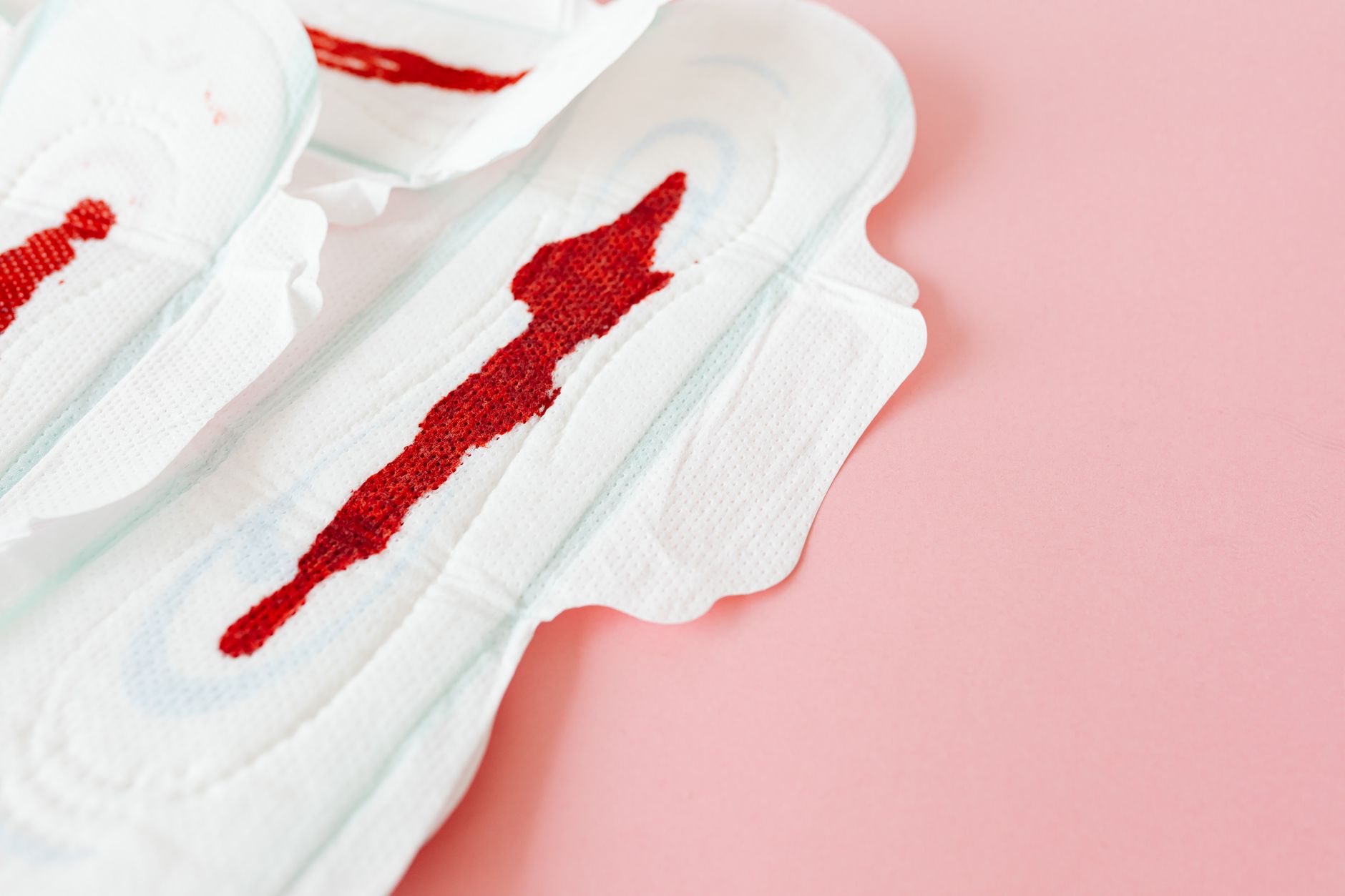
Across generations, knowledge about menstruation has evolved dramatically, with young women today often possessing a deeper understanding of their bodies than their mothers. This shift reflects broader changes in education, social attitudes, and digital connectivity, but it also raises questions about the quality of information and the challenges that remain in breaking down taboos around menstrual health.
From Silence to Social Media: How Gen Z Is Redefining Period Awareness
For decades, menstruation was a topic shrouded in silence, often confined to whispered conversations within families or limited medical discussions. Women from older generations frequently lacked comprehensive education about their reproductive health, leading to confusion and untreated symptoms. Today’s young women, particularly those of Generation Z, benefit from an unprecedented openness and access to information.
Terms like “cycle syncing” and “luteal phase” have entered everyday vocabulary, signaling a more sophisticated understanding of menstrual cycles. Social media platforms and wellness influencers have played a crucial role in this transformation, offering spaces where young women can share experiences and learn about conditions such as polyendocrine metabolic ovarian syndrome (PMOS), a complex disorder affecting fertility and hormonal balance.
Iqra Wasim, a young woman from Bristol, exemplifies this generational knowledge shift. Diagnosed with PMOS at a young age, she has become a source of information for her mother, who had limited understanding of the condition despite experiencing symptoms herself. Wasim’s story highlights how digital literacy and proactive health inquiries empower young women to become advocates for their own bodies and their families.
Bridging the Generational Gap: Challenges and Opportunities
Despite the progress, gaps remain. Many women from older generations still face challenges in accessing accurate menstrual health education, and some topics continue to be stigmatized. Caroline Herman, who runs a period product donation initiative with her daughter, points to the “layer of silence” that previous generations had to navigate and the ongoing need to normalize conversations about menstruation.
Moreover, while social media has democratized access to information, it also comes with pitfalls. The rise of wellness influencers and unregulated content means that not all information is medically sound. Experts caution that social media should complement, not replace, professional medical advice. This balance is crucial to avoid misinformation and unnecessary health anxiety, which can sometimes be dismissed as mere “anxiety” rather than a legitimate response to bodily changes.
Another obstacle is the censorship of medically accurate language on some platforms, which restricts open dialogue about anatomy and menstrual health. Advocates argue that using correct terms like vagina, vulva, and clitoris should be standard, especially in education, to dismantle shame and misinformation.
Early Education and Inclusivity: Preparing the Next Generation
Research indicates that many young people start menstruating as early as eight years old, yet a significant number do not receive adequate education until after their first period. This delay can exacerbate fear and confusion. Poppy Taylor, a researcher studying sex and relationships education, stresses the importance of timely and inclusive education that addresses the needs of all genders and abilities.
Involving boys in menstruation education is a growing priority, as it helps dismantle stigma and foster empathy from a young age. Wellness advocate Beth Lauren emphasizes starting conversations early with children to prevent menstruation from becoming a taboo subject. Her approach reflects a broader cultural shift toward transparency and normalization.
Additionally, movements focusing on menopause and broader women’s health issues have contributed to a cultural climate where discussing reproductive health is more acceptable. This shift not only benefits individuals but also encourages systemic improvements in healthcare and workplace policies that accommodate menstrual health.
Looking Ahead: From Awareness to Action
The increased literacy around menstrual health among Gen Z women is a positive development, but it is just the beginning. Experts like author Maisie Hill highlight the need to translate knowledge into practical support, such as better medical care, workplace accommodations, and comprehensive education.
There is also a critical need to validate women’s experiences without dismissing their concerns as psychological or trivial. Historical biases have long undermined women’s health issues, and overcoming this legacy requires a cultural and medical paradigm shift.
Ultimately, the evolving conversation about periods reflects broader societal changes toward gender equality and bodily autonomy. As younger generations continue to break taboos and share knowledge, there is hope that menstrual health will become a fully integrated aspect of public health discourse, benefiting women of all ages and backgrounds.
Recommended reading
For more context, see related Peack News coverage and explainers linked below.