
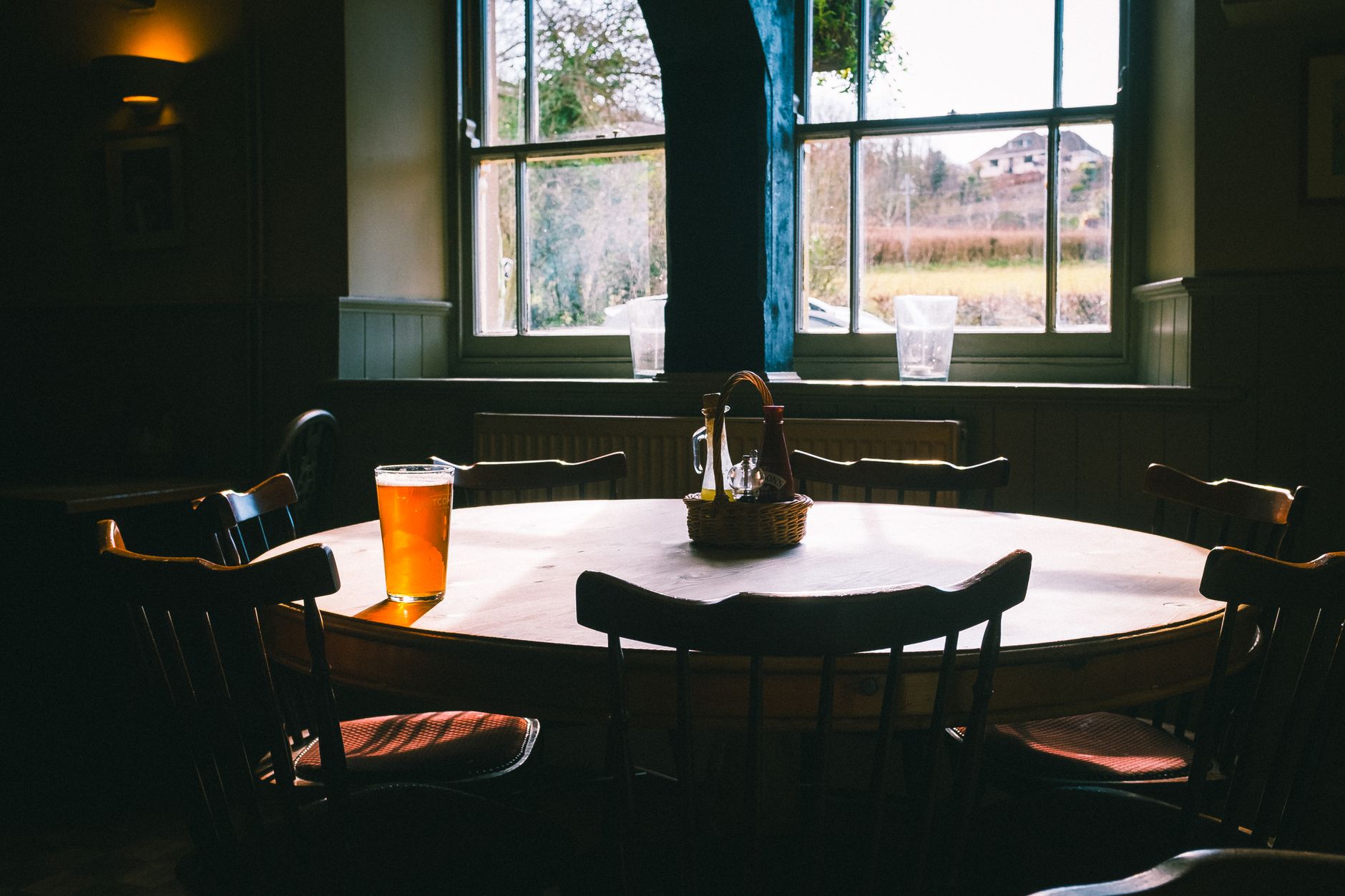
New government planning rules in England, effective from Monday, will impose stricter conditions on converting pubs into homes or offices, aiming to protect these longstanding community hubs from rapid decline. The updated National Planning Policy Framework (NPPF) introduces measures requiring developers to provide substantial evidence that a pub is no longer viable before approval for change of use can be granted. This shift reflects growing concerns over the accelerating closure of pubs across the country, which have been shuttering at an alarming rate, nearly two per day in recent years.
Stricter Evidence Requirements to Prevent Premature Pub Closures
Under the new rules, developers seeking to transform pubs into residential or commercial properties must demonstrate that there is no reasonable prospect of the pub continuing as a business. This includes mandatory proof that the property has been actively marketed for at least 12 months without success. The policy aims to close loopholes that allowed some owners to deliberately undermine pub trade to justify closures and conversions.
Local councils will be tasked with assessing the broader community impact of any proposed change of use, ensuring that pubs which historically served as vital social venues are not lost without thorough consideration. This marks a departure from previous guidelines, which only protected the last remaining pub in an area, often leaving many other establishments vulnerable.
Economic Pressures Behind Pub Closures Remain a Core Challenge
Despite the planning safeguards, industry groups argue that financial pressures such as rising taxes, VAT, and business rates are the primary forces driving pub closures rather than planning policy alone. The British Beer and Pub Association and UKHospitality have long campaigned against what they describe as punitive costs that make it difficult for pubs to remain profitable.
UKHospitality’s chief executive pointed to the need for government action beyond planning rules, emphasizing the importance of addressing these economic challenges to preserve the pub sector. In response, the Labour government recently announced a 20% cut in business rates for pubs, social clubs, and live music venues, supplementing earlier relief measures aimed at easing the financial burden on hospitality businesses.
Balancing Housing Needs with Community Preservation
The NPPF update also includes provisions to accelerate housing development around railway stations, part of the government’s broader strategy to meet ambitious housing targets. Secretary of State for Housing Angela Rayner highlighted the benefits of encouraging new homes near transport hubs to promote sustainable communities and economic growth.
However, this push for increased housing supply has sparked criticism from some heritage and community groups. The Gardens Trust, which advocates for the protection of parks and gardens, expressed deep concern over the removal of its statutory consultee status in planning decisions, warning this could lead to poorly informed developments that undermine local heritage.
Meanwhile, political debate intensifies over the government’s housing strategy. The Conservative opposition accuses the Labour administration of failing to meet housing targets and of centralizing control at the expense of local input, arguing that this approach risks forcing unwanted developments in unsuitable areas.
The Future of Pubs and Local Communities
The new planning framework represents a significant attempt to safeguard pubs, recognizing their cultural and social importance beyond mere bricks and mortar. Pubs have long been cornerstones of British community life, offering spaces for socializing, entertainment, and local identity.
Yet, the ongoing pressures from economic factors and shifting social habits mean that planning protections alone may not be enough to reverse the trend of closures. The government’s combined approach—linking planning policy with targeted financial relief—signals an understanding that preserving pubs requires multifaceted support.
How effectively these changes will stem the tide of pub losses remains to be seen. What is clear is that pubs are no longer just commercial enterprises; they are vital community assets whose preservation demands coordinated policy efforts and public engagement.
Recommended reading
For more context, see related Peack News coverage and explainers linked below.