
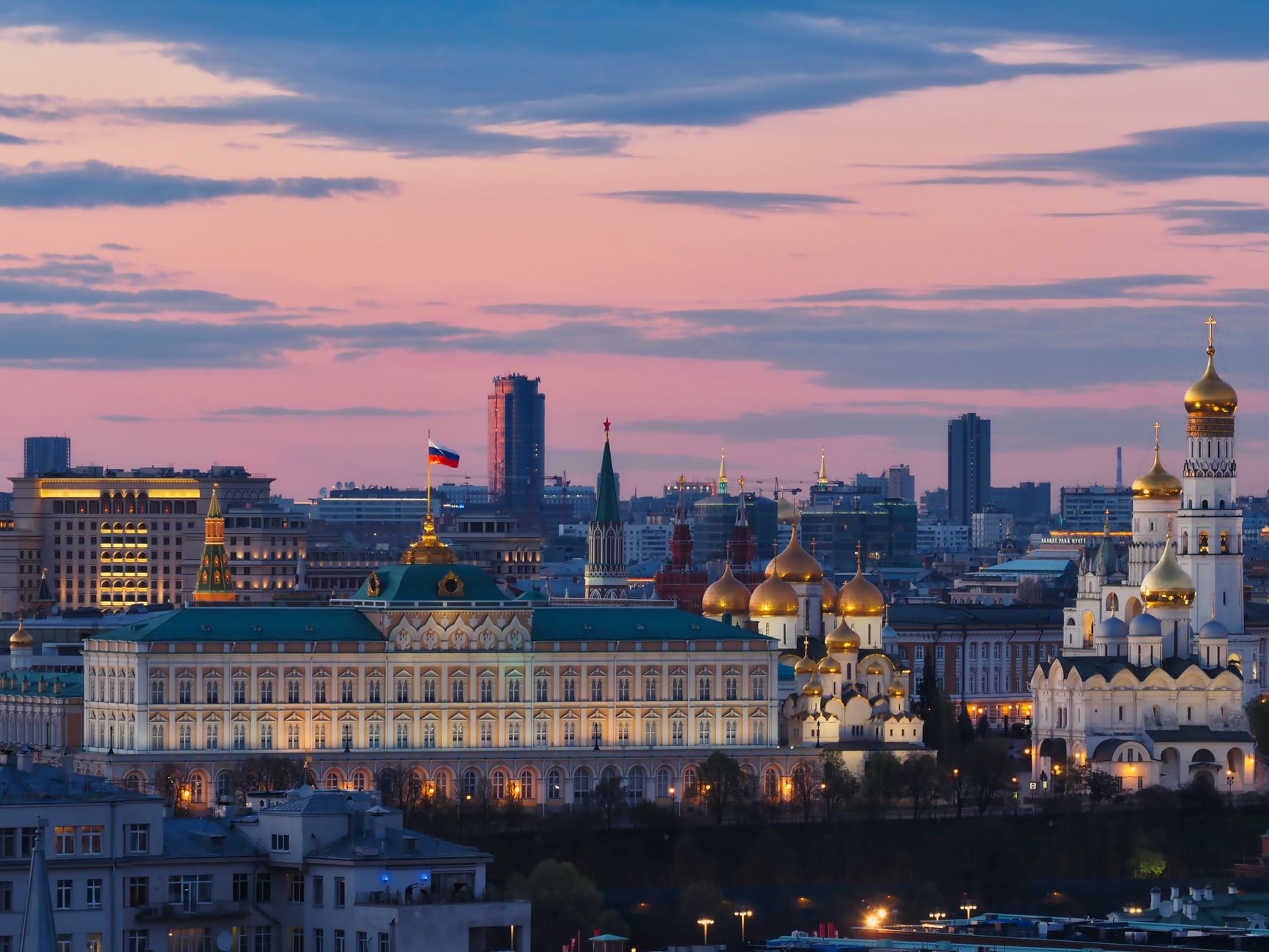
The unannounced visit of CIA Director John Ratcliffe to Moscow marks a rare and significant development in the strained relations between the United States and Russia. This clandestine trip, confirmed by flight tracking data and social media footage, hints at urgent and sensitive discussions taking place behind closed doors amid ongoing geopolitical tensions and stalled peace efforts in Ukraine.
Unprecedented High-Level Visit Amid Heightened Tensions
John Ratcliffe’s journey to Moscow aboard a US military C-17 transport plane is notable not only for its secrecy but also because in-person meetings between senior American and Russian officials have become increasingly infrequent since the 2022 Russian invasion of Ukraine. The trip, which involved a stopover in Latvia before landing at Moscow’s Vnukovo International Airport, was kept under wraps by both Washington and Moscow, with neither side confirming the purpose or the identities of the Russian officials involved.
Such a high-ranking visit signals that the US government might be addressing urgent issues that require direct dialogue, bypassing the usual diplomatic channels. It also underscores the complexity and volatility of US-Russia relations, where communication lines remain open but fraught with mistrust and strategic calculation.
Possible Focus on Escalation Management and Prisoner Negotiations
Experts suggest that the visit could be aimed at managing recent escalations, particularly in light of suspicious drone activities in Germany that some analysts speculate might be linked to Russian operations. John Foreman, a former British military attaché to Moscow, pointed out that sending a figure of Ratcliffe’s stature to Russia on short notice typically indicates an urgent need to de-escalate potential crises.
Another plausible agenda is the negotiation for the release of US detainees held in Russia. Ratcliffe has previously been involved in high-profile prisoner exchanges, including the 2024 swap that freed Wall Street Journal reporter Evan Gershkovich, former US Marine Paul Whelan, and Russian-American journalist Alsu Kurmasheva. The CIA Director also played a role in securing the release of Ksenia Karelina, a Russian-American woman jailed in Russia on charges related to Ukraine support.
Strategic Implications for US-Russia Relations and the Ukraine Conflict
This visit occurs against the backdrop of a protracted conflict in Ukraine, which has deeply fractured US-Russia relations. Since the invasion, Russia has faced widespread international sanctions and diplomatic isolation, while the US has led efforts to support Ukraine militarily and economically. However, direct communication channels at the intelligence level have remained active, reflecting a mutual interest in preventing misunderstandings that could escalate into broader conflict.
Ratcliffe’s trip could be seen as an attempt to recalibrate these channels, possibly to revive stalled peace negotiations or to establish informal mechanisms for crisis management. The US’s request to Ukraine to suspend strikes during the delegation’s visit underscores the delicacy of the moment and the potential for sensitive discussions aimed at reducing immediate tensions.
Historical Context and Future Prospects
High-level visits by US intelligence officials to Moscow are rare, especially since the Cold War era. Ratcliffe’s apparent first trip to Russia as CIA Director is reminiscent of earlier periods when backchannel diplomacy played a critical role in managing crises between the two powers. While President Donald Trump’s summit with Vladimir Putin in Alaska last year failed to produce breakthroughs, this visit may represent a more pragmatic, intelligence-driven approach to engagement.
Looking ahead, the outcomes of these talks could influence the trajectory of US-Russia relations and the broader geopolitical landscape. If the discussions lead to agreements on prisoner exchanges or mechanisms to curb escalation, it could open modest pathways to dialogue despite the ongoing conflict in Ukraine. Conversely, the visit could also signal preparations for managing a deteriorating security environment.
The Shadow Diplomacy of Intelligence in a Fractured World
John Ratcliffe’s visit exemplifies the often unseen but critical role intelligence agencies play in international diplomacy. When official diplomatic channels falter or become mired in political posturing, intelligence leaders can sometimes engage in discreet negotiations that maintain lines of communication and prevent accidental escalations.
In an era marked by cyber threats, proxy conflicts, and nuclear brinkmanship, such backchannel diplomacy is invaluable. Ratcliffe’s Moscow trip, though shrouded in secrecy, highlights the ongoing need for dialogue even between adversaries. It serves as a reminder that amid geopolitical rivalries, pragmatic engagement remains essential to managing risks and pursuing stability.
Recommended reading
For more context, see related Peack News coverage and explainers linked below.