
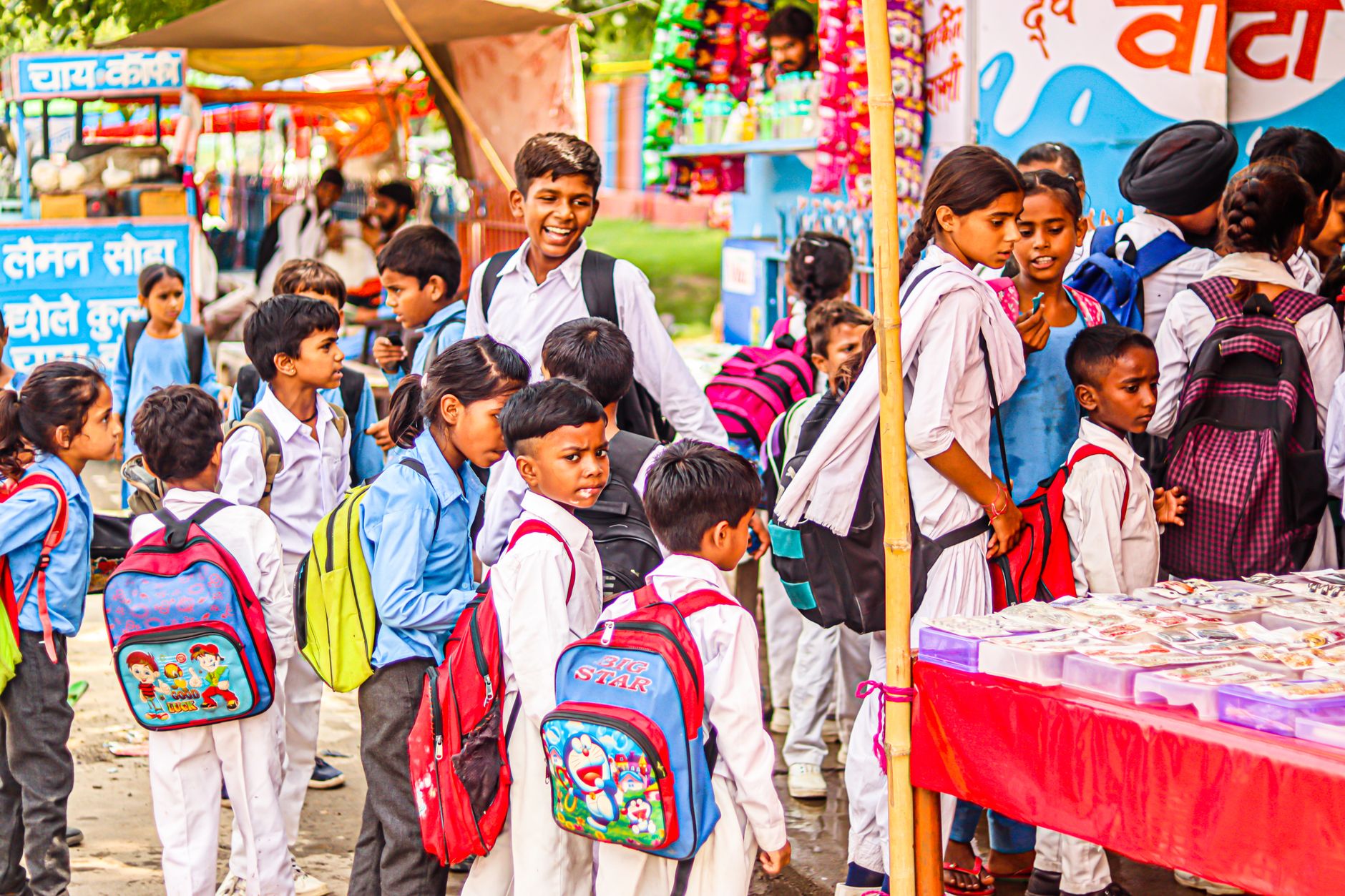
What began as a modest swap shop outside a Cardiff home has blossomed into a nationwide movement transforming how families manage the steep costs of school uniforms. Jon, a father motivated by the financial strain of outfitting his children, launched the Free School Clothes scheme four years ago. Today, it connects over 200 schools across the UK, facilitating the exchange of thousands of uniform items and challenging the stigma surrounding secondhand clothing.
A Community-Driven Solution to Rising Uniform Costs
The cost of school uniforms has become a significant burden for many families. Government data estimates that parents spend on average £343 annually for primary school uniforms and £442 for secondary school pupils. For households with multiple children, these expenses multiply quickly, creating financial pressure that can affect overall family wellbeing.
Jon’s initiative started simply: a plastic collection box outside his home where families could donate outgrown uniforms. His children, Tom and Sion, helped sort and organize the clothes, turning their living room into a hub of activity. Recognizing the potential to reach more families, Jon expanded the project by launching a dedicated website in March, enabling parents to list and request items within their school communities.
Since inception, the scheme has facilitated the exchange of approximately 8,000 uniform pieces and is projected to save Welsh families over £50 million annually. This grassroots approach leverages local connections to reduce the financial burden while fostering a sense of community.
Breaking Down the Stigma of Secondhand Uniforms
One of the most significant barriers to secondhand clothing is the social stigma, especially among school-aged children who are sensitive to peer perceptions. However, the Free School Clothes scheme addresses this by creating a discreet and normalized way for families to swap uniforms without embarrassment.
At Kingsbury High School in London, which serves around 2,000 pupils, the initiative has been embraced not only for its financial benefits but also for its impact on school culture. Tara Randall, the school’s sustainability lead, highlights how the program removes the shame often associated with needing assistance. Parents arrange their own exchanges, fostering a community spirit and making secondhand uniforms a routine part of school life.
Jon emphasizes this cultural shift as a core goal: “Second hand doesn’t need to be mean second best.” By changing perceptions and making reuse a standard practice, the scheme contributes to a more inclusive and sustainable school environment.
Environmental Impact and Long-Term Potential
Beyond financial relief, the uniform swap shop taps into growing environmental concerns. The fashion industry, including school uniforms, contributes substantially to waste and carbon emissions. By extending the life cycle of school clothing, the scheme reduces demand for new garments, cutting down textile waste and lowering the ecological footprint associated with manufacturing.
With approximately 30,000 schools across the UK requiring uniforms, the scheme’s scalability offers significant environmental benefits. Jon envisions a future where uniform swapping is embedded in school culture nationwide, helping families save money while also protecting the planet.
Additionally, recent policy changes in England limiting school uniforms to three logoed items aim to reduce costs and promote affordability. The Free School Clothes initiative complements these efforts by providing a practical platform for families to access quality, pre-loved uniforms.
Real Families, Real Savings
Elise, a mother of three, embodies the practical benefits of the scheme. She explains how the cost of multiple uniforms can be overwhelming, especially when accounting for the need to double items for laundry rotation. Through the swap shop, she consistently finds what her children need without buying new items, reducing waste and easing her budget.
Such testimonials underscore the scheme’s role in supporting families during challenging economic times, particularly when nearly half of parents express concern over uniform costs. For many, it’s not just about saving money but also about joining a community that values sustainability and mutual support.
What started as a simple idea in a Cardiff neighborhood has grown into a powerful movement reshaping the economics and culture of school uniforms. By combining financial relief, environmental responsibility, and social inclusivity, the Free School Clothes scheme offers a model for communities nationwide to rethink how we clothe the next generation.
Recommended reading
For more context, see related Peack News coverage and explainers linked below.