
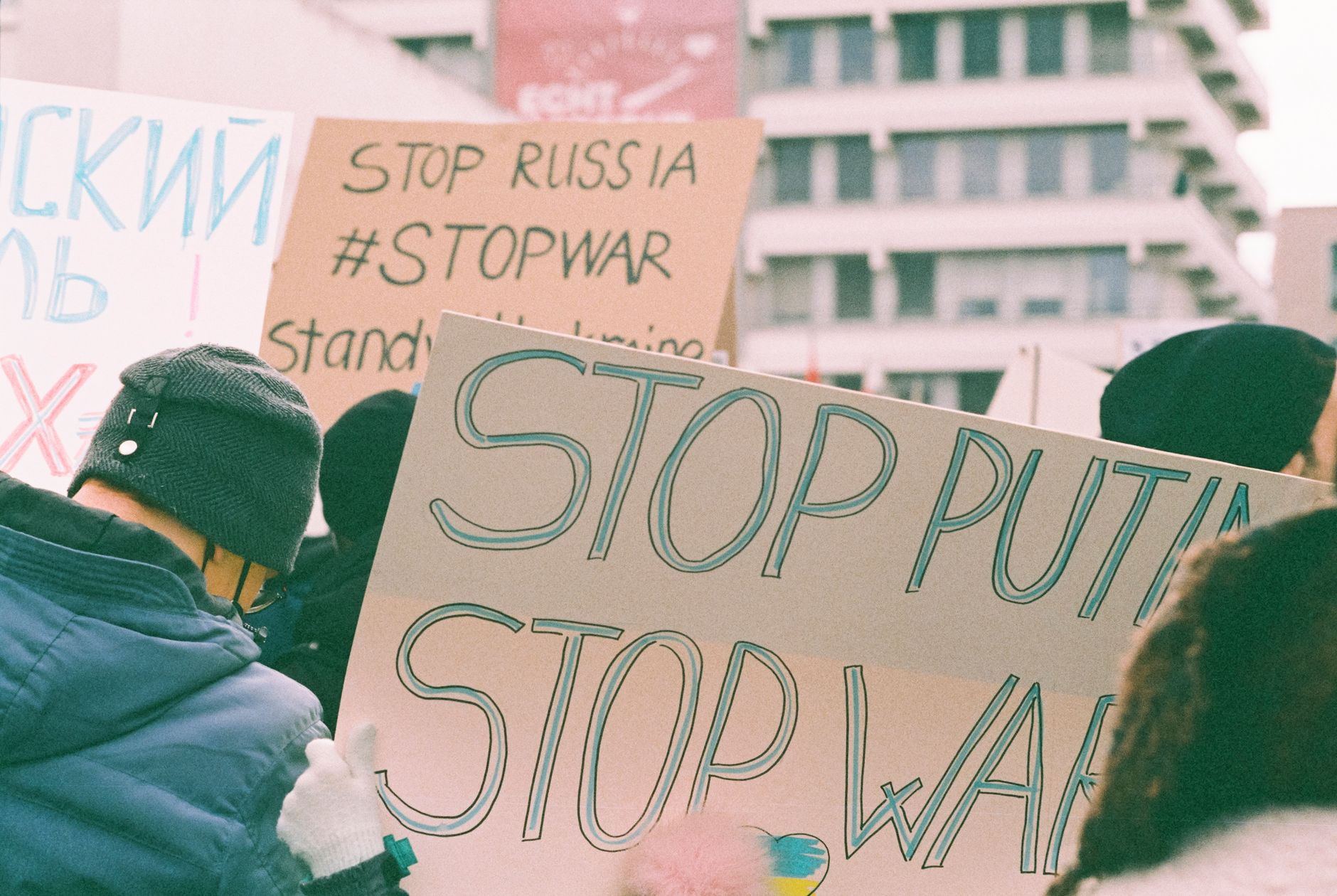
US envoys Jared Kushner and Steve Witkoff engaged in high-stakes discussions with Russian President Vladimir Putin in Moscow this weekend, signaling a renewed but fragile push toward resolving the war in Ukraine. The talks, held behind closed doors in the Kremlin, come amid escalating violence and deep mistrust, yet they mark a notable attempt by the US to mediate a conflict that has reshaped European security and global diplomacy since February 2022.
Behind Closed Doors: The Moscow Meeting
Footage released by the Kremlin showed Putin welcoming Kushner and Witkoff with cautious optimism, acknowledging the complexity of the situation with the words, “the current situation is not so easy.” The three-hour session reportedly covered a broad agenda beyond the immediate conflict, including economic cooperation and potential major projects that could benefit both nations.
Putin expressed a degree of trust in the US envoys, describing the talks as “constructive” and “extremely frank,” according to his adviser Yuri Ushakov. The Russian side emphasized the importance of addressing the “root causes of the conflict,” a phrase that hints at the deep geopolitical and security concerns driving Moscow’s actions in Ukraine.
Despite Russia’s recent missile and drone strikes on Ukrainian cities, Putin agreed to a temporary three-day halt in strikes on Kyiv, coinciding with the US delegation’s visit. However, he clarified that this was not a ceasefire for the entire conflict zone, reflecting Moscow’s cautious approach to any formal peace process.
From Moscow to Kyiv: A Delicate Diplomatic Dance
The US envoys planned to travel to Kyiv for talks with Ukrainian officials, marking their first visit to the Ukrainian capital. President Volodymyr Zelensky welcomed the initiative, confirming that Ukraine would also refrain from striking Moscow during this period, signaling a rare moment of mutual restraint amid ongoing hostilities.
Zelensky highlighted the challenges of arranging the visit, noting the closure of Ukrainian airspace and the risk posed by recent Russian strikes on Kyiv’s airports—actions he described as “demonstrative” responses to the diplomatic efforts. The Ukrainian president pledged to guarantee the safety of the US envoys and called on Russia to reciprocate, underscoring the fragility of the situation on the ground.
Stalled Peace Talks and Lingering Obstacles
While the US-led talks represent a hopeful development, the path to peace remains fraught with obstacles. Previous negotiations involving the US, Ukraine, Russia, and European allies have repeatedly faltered over fundamental disagreements. Key sticking points include Russia’s control over roughly one-fifth of Ukrainian territory, security guarantees for Ukraine, and the conditions under which any ceasefire or peace deal might be implemented.
In recent months, both sides have intensified missile and drone attacks, with Ukraine targeting Russian economic infrastructure and Russia focusing on Ukrainian cities and military positions. The conflict’s human toll and political stakes continue to mount, complicating diplomatic efforts.
The involvement of Kushner and Witkoff, both with close ties to former President Donald Trump, adds a unique dimension to these talks. Their presence underscores Washington’s intent to leverage private-sector experience and unconventional diplomacy, though official details remain scarce and the Biden administration’s stance has been notably muted.
Implications for US-Russia Relations and the Future of Ukraine
The discussions in Moscow and Kyiv may not yield an immediate breakthrough, but they reflect a broader strategic calculus. For Russia, engaging with US envoys signals a willingness to explore diplomatic avenues without conceding ground militarily. For the US, these talks represent an attempt to balance support for Ukraine with a desire to prevent further escalation and potential wider conflict.
Moreover, the talks could influence future economic ties and security arrangements, as hinted by the Kremlin’s emphasis on mutually beneficial projects. However, any progress will require overcoming deep-seated mistrust and reconciling fundamentally opposed narratives about sovereignty, territorial integrity, and regional security.
As the envoys prepare to continue their dialogue in Kyiv, the international community watches closely. The war in Ukraine remains one of the most consequential conflicts of the 21st century, and these diplomatic efforts, while tentative, offer a glimmer of hope that dialogue can coexist with the harsh realities of war.
Recommended reading
For more context, see related Peack News coverage and explainers linked below.