
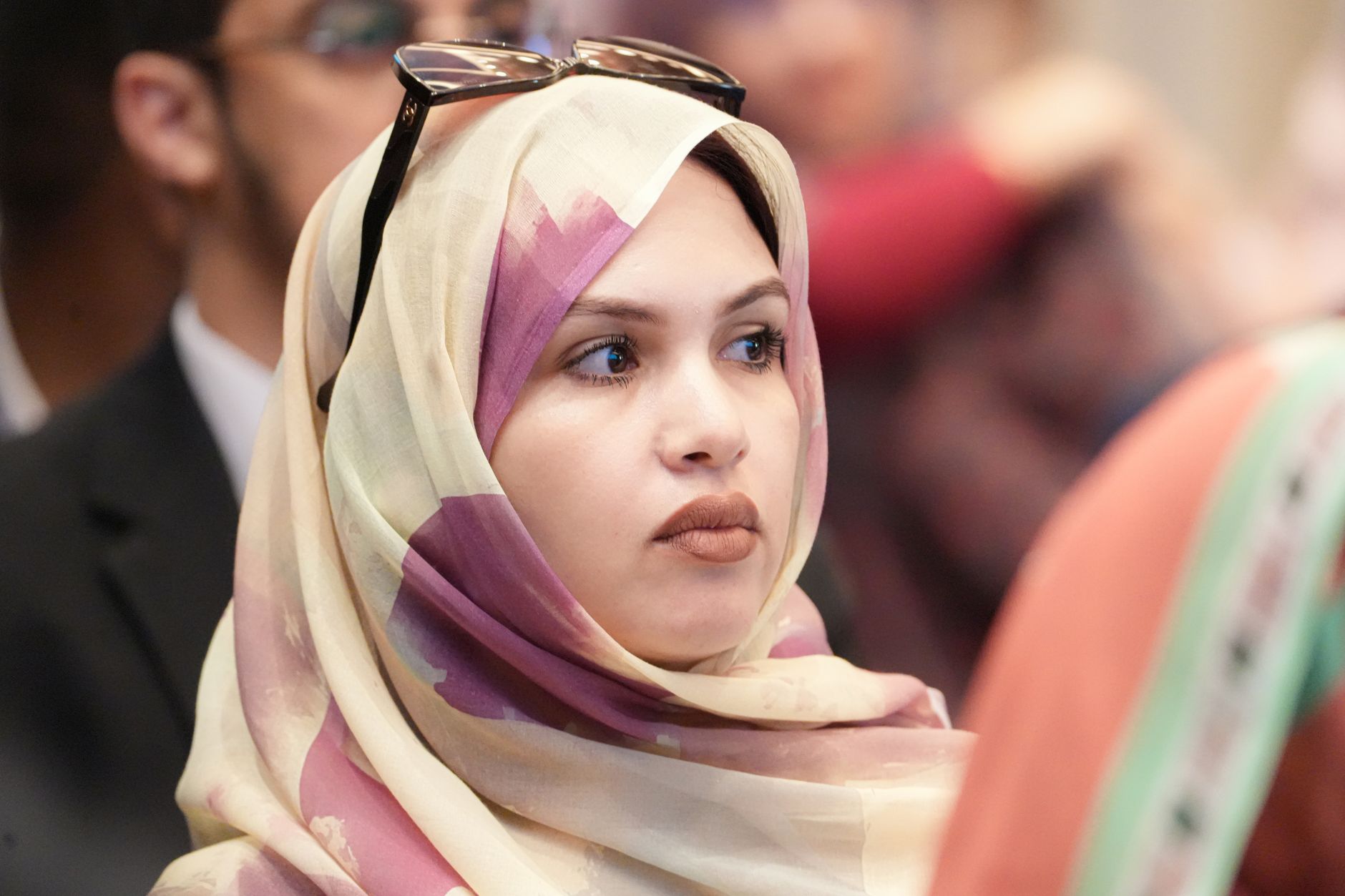
As children under 14 returned to classrooms across Austria, a controversial new law came into effect banning the wearing of Islamic headscarves in both public and private schools. This legislation, which specifically targets traditional Muslim head coverings such as hijabs and burkas, has ignited a heated debate about religious freedom, gender equality, and social integration in one of Europe’s most culturally diverse nations.
The Government’s Stance: Protecting Young Girls or Enforcing Control?
The Austrian government, led by a coalition of conservative and centrist parties, defends the ban as a necessary step to uphold gender equality and protect young girls from what it describes as oppressive religious symbols. Integration Minister Claudia Bauer, from the conservative People’s Party (ÖVP), framed the headscarf as “a sign of oppression and a means of controlling girls from the earliest childhood.” The law applies to all children under 14 attending schools nationwide, effectively prohibiting visible Islamic head coverings in educational settings.
Proponents argue that the ban aligns with Austria’s commitment to secularism and gender rights, positioning it as a protective measure rather than an attack on religion. They emphasize that the legislation aims to safeguard children’s freedom of choice and prevent the imposition of religious dress codes at a young age. The coalition, which also includes the Social Democrats (SPÖ) and the liberal Neos, presents the ban as a balanced approach to integration and equality.
Critics Warn of Rising Islamophobia and Legal Challenges
Opposition to the ban has been swift and vocal, particularly from Austria’s Islamic community and human rights advocates. The Islamic Community in Austria (IGGÖ) condemns the law as discriminatory and a violation of religious freedom. Carla Amina Baghajati, a prominent IGGÖ representative, described the ban as unjustifiably restrictive, disproportionately targeting Muslim girls and risking their social exclusion.
The IGGÖ has pledged to support legal challenges against the law, highlighting that a similar ban was overturned by Austria’s Constitutional Court in 2020 for breaching the country’s principle of religious neutrality. Critics argue that the current legislation could face a similar fate, as it singles out one religious practice without addressing broader issues of religious expression.
Beyond legal concerns, opponents warn that the ban fuels anti-Muslim sentiment and deepens societal divisions. They caution that targeting religious dress may exacerbate feelings of alienation among Muslim communities, undermining efforts at social cohesion and integration.
Teachers Caught in the Middle of Enforcement and Ethical Dilemmas
The law places a challenging burden on teachers, who are now tasked with enforcing the headscarf ban. Educators must engage in dialogue with students and their guardians if a headscarf is worn and escalate the issue to child services if violations persist. Guardians may face fines up to €800 as a last resort.
However, many teachers have expressed discomfort with this role. Critics like Green Party politician Sigi Maurer argue that educators are already overwhelmed and should not be turned into enforcers of contentious cultural policies. The concern is that such mandates could strain teacher-student relationships and distract from educational priorities.
Far-Right Demands and Broader European Context
The far-right Freedom Party of Austria (FPÖ) contends that the current ban is insufficient, calling for a more comprehensive prohibition on all religious head coverings in schools, including those worn by teachers. FPÖ representatives frame the issue as a fight against “political Islam” and advocate for a constitutional ban on its influence in Austrian society.
This hardline stance echoes broader trends in parts of Europe, where countries like France, Belgium, and Denmark have enacted various restrictions on religious symbols and face coverings in public spaces. France’s 2004 law banning conspicuous religious symbols in public schools, including headscarves, turbans, and kippas, serves as a notable precedent. However, Austria’s law is distinct in that it specifically targets Muslim headscarves rather than all religious symbols equally.
Implications for Austria’s Social Fabric and Future Policy
The enforcement of the headscarf ban in Austrian schools arrives amid ongoing debates about integration, secularism, and multiculturalism in Europe. While the government frames the law as a progressive step toward gender equality, its critics view it as a regressive measure that risks marginalizing Muslim communities and undermining religious freedoms.
As legal challenges loom and social tensions simmer, Austria faces a critical test in balancing the protection of individual rights with the desire to promote a cohesive, secular public sphere. The outcome of this policy could influence not only the lives of thousands of young Muslim girls but also the broader discourse on diversity and tolerance within Austrian society.
Ultimately, the question remains whether symbolic bans on religious dress can address deeper social challenges or merely serve as flashpoints for cultural conflict. Austria’s experience will be closely watched by other European nations grappling with similar issues at the intersection of faith, identity, and education.
Recommended reading
For more context, see related Peack News coverage and explainers linked below.