
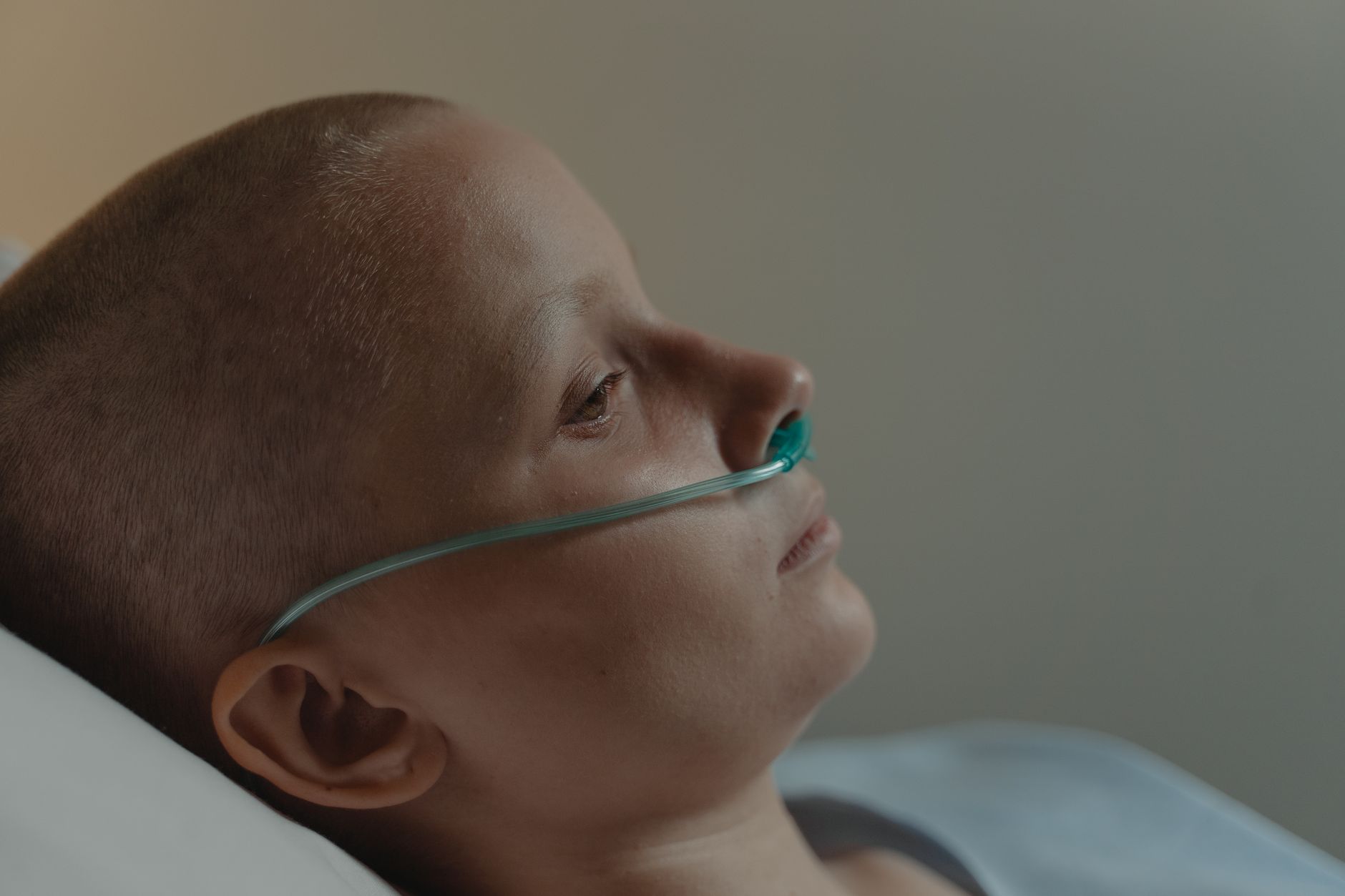
BBC News presenter Maryam Moshiri has opened up about her diagnosis with a rare form of blood cancer, polycythaemia vera (PV), revealing how she has been managing the condition since it was detected two years ago. Despite the gravity of a cancer diagnosis, Moshiri emphasized that while PV is a chronic illness, it is treatable and not a death sentence, offering a message of hope and resilience to others facing similar health challenges.
Early Detection and the Importance of Routine Health Checks
Moshiri’s cancer journey began in November 2024 when her general practitioner noticed irregularities in her blood test results, prompting further investigation that led to the diagnosis of polycythaemia vera. PV is a rare blood cancer characterized by the overproduction of red blood cells, which can increase the risk of blood clots, strokes, and other serious complications if left untreated.
The early detection of her condition was crucial. Moshiri credits her GP for catching the disease in its initial stages, a factor that significantly improves the prognosis for patients with PV. This underlines the vital role that regular health screenings and attentive primary care play in identifying potentially serious conditions before symptoms become severe.
Living with a Chronic but Manageable Cancer
Unlike many cancers that require aggressive treatments such as chemotherapy or surgery, PV is classified as a chronic cancer, meaning it cannot be completely cured but can be managed effectively over time. Treatments typically focus on controlling blood thickness and preventing complications through regular phlebotomy (blood removal), medication to reduce blood cell production, and lifestyle adjustments.
Moshiri’s candid discussion about her condition sheds light on the reality for many patients living with chronic cancers. The disease requires ongoing monitoring and management, but with advancements in treatment, many individuals lead full, active lives. Her openness helps destigmatize cancer and encourages others to approach their health proactively.
The Psychological Impact and Public Conversation on Cancer
Beyond the physical aspects of PV, Moshiri also reflected on the emotional and psychological impact of receiving a cancer diagnosis. The initial shock and uncertainty can be overwhelming, even when the prognosis is relatively positive. By sharing her experience publicly, she contributes to a broader conversation about mental health and resilience in the face of chronic illness.
Her decision to speak openly about her journey challenges the often fatalistic perception of cancer and highlights the diversity of cancer experiences. It also emphasizes the importance of support networks, both personal and professional, in coping with long-term health conditions.
Implications for Public Awareness and Cancer Treatment
Moshiri’s story brings attention to polycythaemia vera, a condition that remains less well-known than other cancers but affects thousands worldwide. Increased awareness can lead to earlier diagnoses and better patient outcomes. It also highlights the need for continued research into chronic cancers, which may not always receive the same level of public attention or funding as more aggressive forms.
Her message resonates beyond the medical community, reminding the public that cancer is not a monolith but a spectrum of diseases with varied trajectories. This perspective encourages a more nuanced understanding of cancer survivorship and the importance of personalized care.
As Maryam Moshiri continues her work as a prominent BBC presenter, her openness about living with PV serves as an inspiring example of courage and adaptability. Her story reinforces that a cancer diagnosis, even one that is chronic, does not define one’s future or diminish the quality of life.
Recommended reading
For more context, see related Peack News coverage and explainers linked below.