
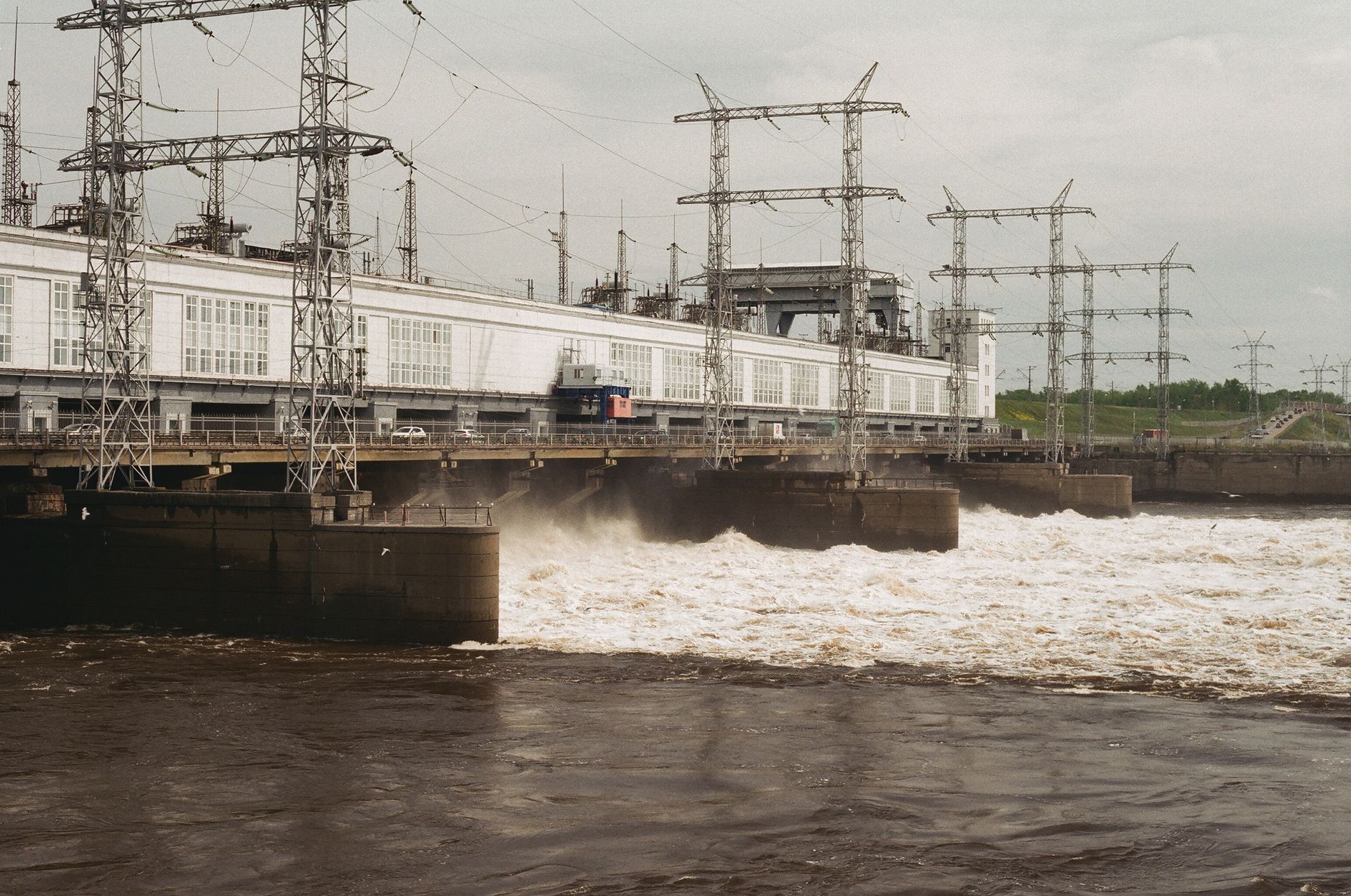
Russian missile strikes have once again targeted Kyiv’s critical infrastructure, hitting the Darnytska CHP-4 power plant and a residential building, underscoring the ongoing vulnerability of Ukraine’s energy sector amid the conflict. The attacks came without prior warning, intensifying concerns about civilian safety and the broader impact on the capital’s utilities as winter approaches.
Strategic Impact on Kyiv’s Energy Supply
The Darnytska CHP-4 (Combined Heat and Power Plant 4) is a vital facility that supplies electricity and heating to large sections of Kyiv, including the Dniprovskyi and parts of the Darnytskyi districts. Its repeated targeting by Russian ballistic missiles has had devastating consequences for residents, especially during the cold months when reliable heating is essential.
Damage to this plant disrupts not only electricity but also hot water and heating services for thousands of households and critical public institutions such as schools, kindergartens, and medical facilities. The February strike on the same facility left over 1,000 residential buildings without heating, highlighting the ongoing humanitarian risks tied to these attacks.
The latest strike, reported by Ukrainian President Volodymyr Zelensky, is a stark reminder that Russia continues to pursue a campaign aimed at crippling Ukraine’s energy infrastructure, which is a cornerstone of civilian life and urban functionality.
Civilian Toll and Urban Vulnerability
Alongside the attack on the power plant, a residential building was hit, resulting in two fatalities and 21 injuries, with several victims in serious condition, according to Kyiv Mayor Vitali Klitschko. The targeting of civilian areas raises urgent questions about the protection of non-combatants under international law and the growing humanitarian crisis within Kyiv.
Repeated missile strikes on urban centers reflect a broader strategy to undermine morale and exert pressure on the Ukrainian government by disrupting everyday life. The psychological and physical toll on residents living in constant fear of missile attacks cannot be overstated.
Controversy Over Intelligence Sharing and Ceasefire Claims
President Zelensky criticized the absence of early warnings from international partners regarding the missile launches, a factor that complicates Kyiv’s ability to prepare and protect its population. This comment came amid speculation that the United States might have restricted intelligence sharing after missile strikes hit Kyiv on consecutive nights.
However, former US President Donald Trump publicly denied cutting off intelligence support, asserting that the US continues to share information with Ukraine and is working towards ending the conflict. Trump’s remarks also highlighted the complexity of ceasefire negotiations, noting that both Russia and Ukraine desire peace but face challenges in reaching an agreement.
The missile attacks occurred shortly after Trump announced an energy ceasefire agreement between Russia and Ukraine, a claim contradicted by the continuation of strikes. Russian Foreign Minister Sergey Lavrov dismissed the idea of a ceasefire, suggesting it would only enable Ukraine to rearm with European support, further complicating diplomatic efforts.
The Broader Context of Russia’s Energy Targeting Strategy
Since the war began, Russian forces have systematically targeted Ukraine’s energy infrastructure, aiming to weaken resistance by depriving civilians and military installations of power and heat. This strategy has caused widespread outages, forcing millions to endure harsh conditions, especially during winter.
Experts view these attacks as part of a hybrid warfare approach, combining military pressure with attempts to destabilize civilian life and erode public confidence in the government’s ability to protect its people. The repeated damage to CHP-4 and other energy sites underlines the resilience required by Kyiv’s infrastructure and the urgent need for international support to repair and protect these facilities.
What This Means for Kyiv and Ukraine’s Future
The ongoing missile strikes on Kyiv’s energy infrastructure highlight the precarious balance between military conflict and civilian survival. As winter deepens, restoring and safeguarding power and heating will be critical to prevent a humanitarian disaster in the capital.
Moreover, the attacks emphasize the challenges facing ceasefire negotiations and the importance of reliable intelligence sharing among allies to mitigate damage and casualties. For Ukraine, maintaining energy resilience is not only about keeping the lights on but also about sustaining morale and the capacity to continue resisting aggression.
International actors must reckon with the implications of these strikes and work towards a durable resolution that prioritizes civilian protection and infrastructure security, ensuring that Kyiv’s residents are not left to bear the brunt of a war that shows no signs of abating.
Recommended reading
For more context, see related Peack News coverage and explainers linked below.
- Saudi minister promises serious response to Houthi airport attacks
- Immigration agents conduct search at Congresswoman Ilhan Omar’s home
- Analysis shows Trump’s international challenges intensify ahead of key elections
- Explainer: Major Cybersecurity Threats in 2026
- Explainer: US-China Tech Competition