
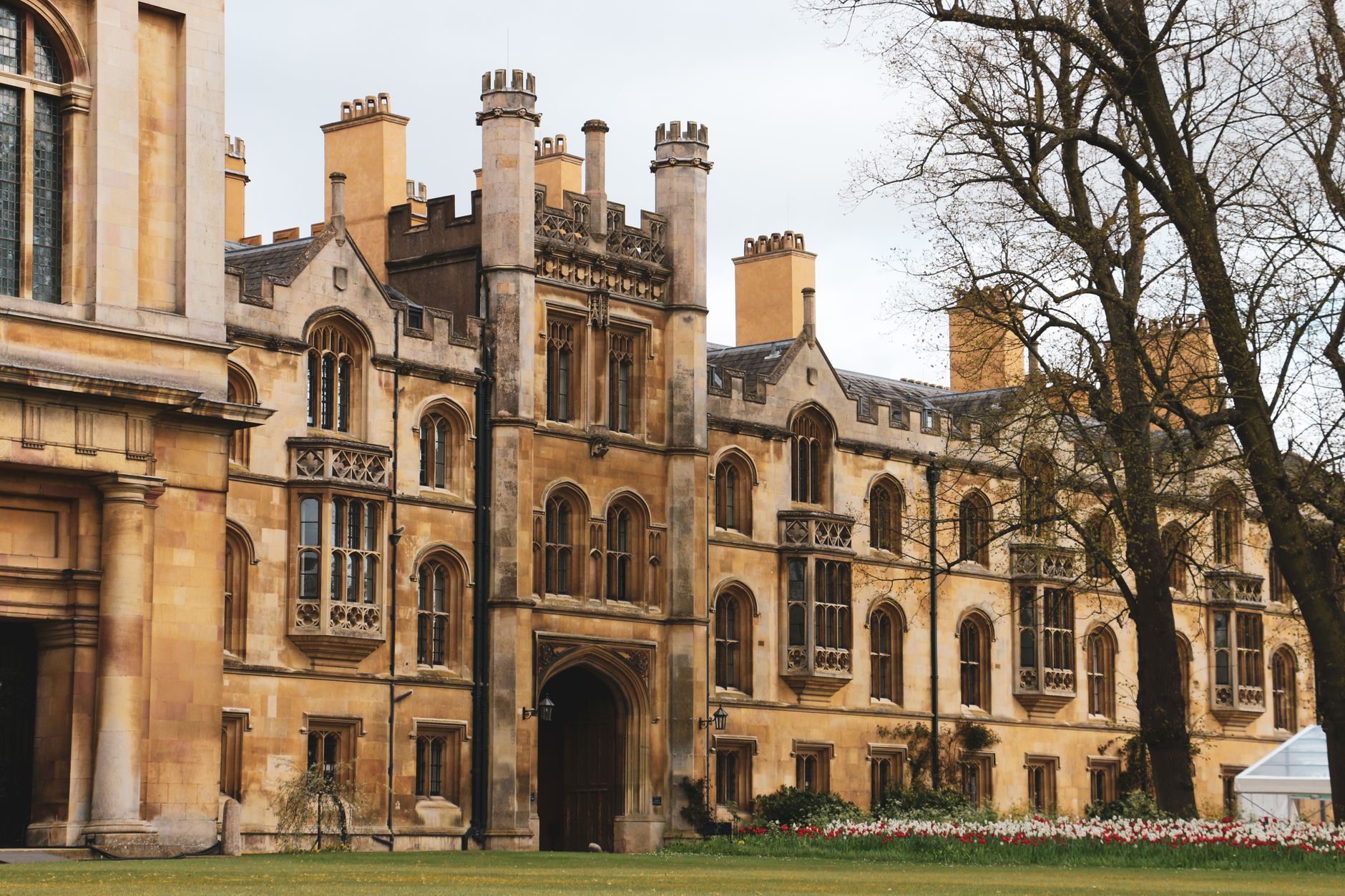
The upcoming event at Oxford’s Oriel College featuring Nathan Cofnas, the academic who accused the late Jason Arday of plagiarism, has reignited fierce debate over free speech, academic responsibility, and the legacy of a tragic controversy. Organised by a student group affiliated with Reform UK, the event has drawn widespread calls for cancellation amid concerns it could foster a hostile environment, particularly for ethnic minority students, and tarnish the reputation of one of Oxford’s oldest colleges.
Jason Arday’s Legacy and the Shadow Over the Event
Jason Arday, a respected sociologist and professor who tragically died in August, had become a focal point of intense scrutiny after Cofnas publicly questioned the authenticity of Arday’s biographical claims and accused him of plagiarism. These accusations, which were never substantiated, contributed to a media storm that many viewed as a targeted campaign against Arday’s academic credibility and identity. His death has since been mourned widely in academic circles as a profound loss.
Arday’s case highlights the dangers of public controversies fueled by unproven allegations, especially when they intersect with issues of race and identity. Critics argue that Cofnas’s involvement in this saga, combined with his history of promoting contentious views on race and intelligence, makes his appearance at Oriel College deeply problematic. The event is seen by many as reopening wounds and potentially legitimising narratives that contributed to Arday’s vilification.
Freedom of Speech vs. Campus Inclusion
Oriel College finds itself at the crossroads of a wider debate about the limits of free speech in academic institutions. The college has emphasised its commitment to upholding free speech “within the law,” including the expression of views that may be “deeply offensive” to some. This stance reflects a broader tension in universities worldwide: balancing the protection of open discourse with the need to foster inclusive, safe environments for all students.
Supporters of the event, including the Oxford Universities’ Reform Society (OURS), argue that as a registered student group, they have a legal right to host speakers of their choosing and to engage in “respectful dialogue” on contentious issues like diversity, equity, and inclusion (DEI). They contend that shutting down such events risks stifling debate and academic freedom.
However, critics, including academics and alumni, warn that inviting Cofnas—whose writings have been accused of promoting pseudoscientific racial theories—risks creating a “hostile and exclusionary environment,” especially for ethnic minority students. An open letter signed by numerous Oxford affiliates urges Oriel to withdraw its facilities for the event, citing the college’s upcoming 700th anniversary as a moment to reaffirm its commitment to equality and inclusion, rather than platforming divisive voices.
The Political Undercurrents and Broader Implications
The involvement of Reform UK’s student supporters adds a political dimension to the controversy. Reform UK, known for its right-wing stance, has increasingly sought to influence university discourse, often challenging prevailing academic orthodoxy on race and social justice. This event can be seen as part of a broader campaign to question and critique DEI initiatives, which some conservatives view as undermining meritocracy and academic standards.
Yet, the backlash against hosting Cofnas also reflects a growing awareness within academia about the real-world impact of scholarly debates on marginalized communities. The fact that Arday’s death followed a period of intense public scrutiny linked to Cofnas’s accusations has made many wary of providing platforms to voices perceived as antagonistic toward anti-racist scholarship.
Oriel’s decision, therefore, is more than a local matter; it exemplifies the challenges universities face in navigating cultural and political fault lines. How institutions respond to such controversies will shape their identities and values in an era marked by heightened sensitivity to issues of race, identity, and academic freedom.
Looking Ahead: What This Means for Oxford and Beyond
The controversy surrounding the Oriel event underscores the urgent need for universities to develop clear policies that reconcile freedom of expression with the imperative to protect vulnerable communities. It also raises questions about the role student societies and politically affiliated groups play in shaping campus discourse.
For Oriel College, the decision to proceed with or cancel the event will send a powerful message about its priorities as it approaches a historic anniversary. For the wider academic community, this episode is a cautionary tale about the consequences of allowing unresolved disputes over identity and scholarship to spill into public forums without adequate safeguards.
Ultimately, the debate over Nathan Cofnas’s appearance at Oxford is emblematic of a larger cultural struggle — one that pits the ideals of open inquiry against the realities of social justice and historical trauma. How universities manage this balance will be critical in defining their role as spaces of learning, debate, and inclusion in the years to come.
Recommended reading
For more context, see related Peack News coverage and explainers linked below.