
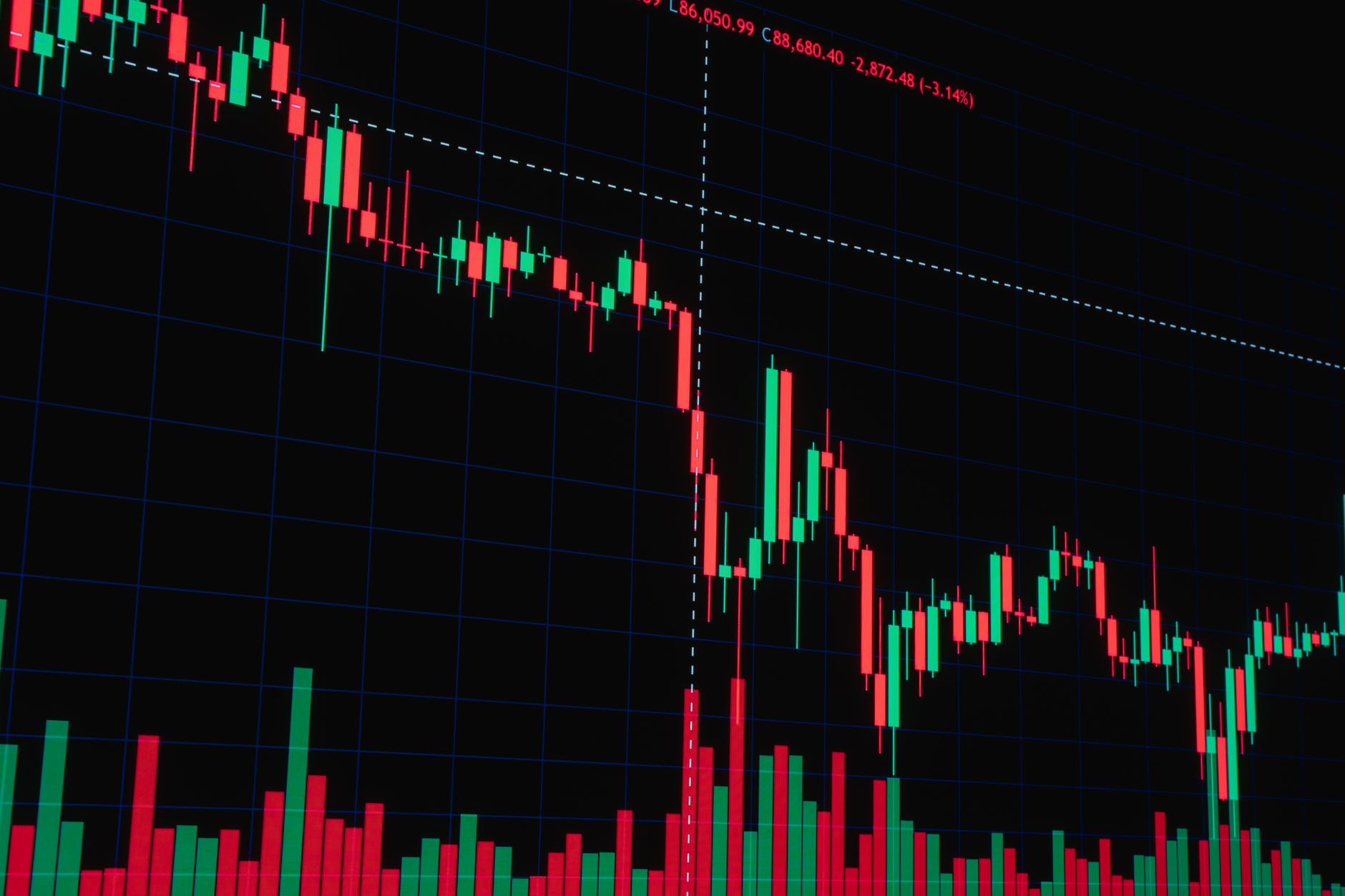
The recent turmoil in global stock markets has spotlighted the volatile fortunes of artificial intelligence (AI) companies, which experienced a sharp rebound after a dramatic sell-off erased trillions in market value. This rollercoaster ride reflects deeper investor anxieties about the pace of AI development amid shifting political landscapes and economic uncertainties, raising profound questions about the future trajectory of one of the most transformative technologies of our time.
Political Shifts Trigger Investor Uncertainty in AI
The catalyst for the recent market chaos was the outcome of the US midterm elections, which handed Democrats control of both houses of Congress. Several prominent Democrats campaigned on platforms advocating stricter regulations on AI technologies and data centers, stoking fears among investors that innovation could be throttled under new legislative scrutiny. This political recalibration introduced a fresh layer of uncertainty for AI firms, many of which rely heavily on rapid development cycles and expansive infrastructure investments.
Investor concerns were not unfounded. The incoming Congress has signaled a commitment to scrutinize AI’s societal impacts, ethical considerations, and data privacy issues, potentially imposing new compliance costs and operational constraints. While regulation can ultimately foster healthier, more sustainable growth, the immediate effect was a wave of selling pressure that disproportionately hit AI and semiconductor stocks, sectors critical to powering AI advancements.
Market Reaction: A Sharp Sell-Off Followed by Partial Recovery
Thursday’s sell-off was severe, with the Nasdaq Composite index plunging 5.5%, wiping out vast swathes of market capitalization from AI-linked companies. Semiconductor giants, including chipmakers supplying AI hardware, bore the brunt of the decline—South Korea’s Kospi index fell 6%, with SK Hynix’s shares dropping over 10%. European and UK markets were also affected, reflecting the global interconnectedness of tech supply chains and investor sentiment.
However, by Friday, the Nasdaq clawed back 1.1%, with marquee names such as Nvidia, SpaceX, and Tesla regaining some lost ground. This partial recovery suggests that while the sell-off was driven by immediate political and regulatory fears, underlying confidence in AI’s long-term potential remains resilient among many investors. The S&P 500 and Dow Jones showed more modest movements, indicating a cautious but not panicked market environment.
Economic Fundamentals Offer a Mixed Picture
Complicating the narrative, the latest US employment data painted a surprisingly robust economic backdrop. The addition of 165,000 jobs in September exceeded expectations and brought the unemployment rate down slightly to 4.1%. This strength in the labor market suggests the broader economy is holding steady despite market jitters and raises questions about how much the political and regulatory concerns truly threaten economic growth.
For investors, this economic resilience may temper fears of an imminent recession that could further derail tech spending. However, it also means that inflation pressures could persist, prompting central banks like the Bank of England to consider additional interest rate hikes, which in turn could dampen investment appetite for high-growth, high-risk sectors like AI.
Industry Voices Call for Greater Clarity and Discipline
Amid the market turbulence, industry leaders have emphasized the need for clearer communication and more disciplined investment strategies. Some experts argue that the current correction is a necessary recalibration after years of exuberant spending on AI infrastructure with insufficient demonstration of tangible economic returns.
There is growing recognition that AI companies must move beyond hype and speculative valuations to prove their technologies’ real-world impact and profitability. This “market purgatory,” as some call it, could weed out weaker players and set the stage for more sustainable growth driven by innovation that delivers clear benefits to businesses and consumers alike.
What Lies Ahead for AI Investors?
Looking forward, the key question is whether the recent bounce-back in AI stocks can be sustained or if it merely represents a temporary reprieve before further volatility. The political landscape will remain a critical factor, as lawmakers refine their approach to AI governance. Investors will also be watching economic indicators closely, seeking signals about inflation, interest rates, and consumer demand that could influence risk appetite.
Ultimately, the AI sector sits at a crossroads. The technology’s transformative potential is undeniable, promising to reshape industries from healthcare to transportation. Yet, this promise must now contend with the realities of regulatory oversight, market discipline, and economic headwinds. For investors, the challenge will be to navigate this complex environment with a balanced perspective, distinguishing between short-term noise and the long-term value AI can unlock.
Recommended reading
For more context, see related Peack News coverage and explainers linked below.