
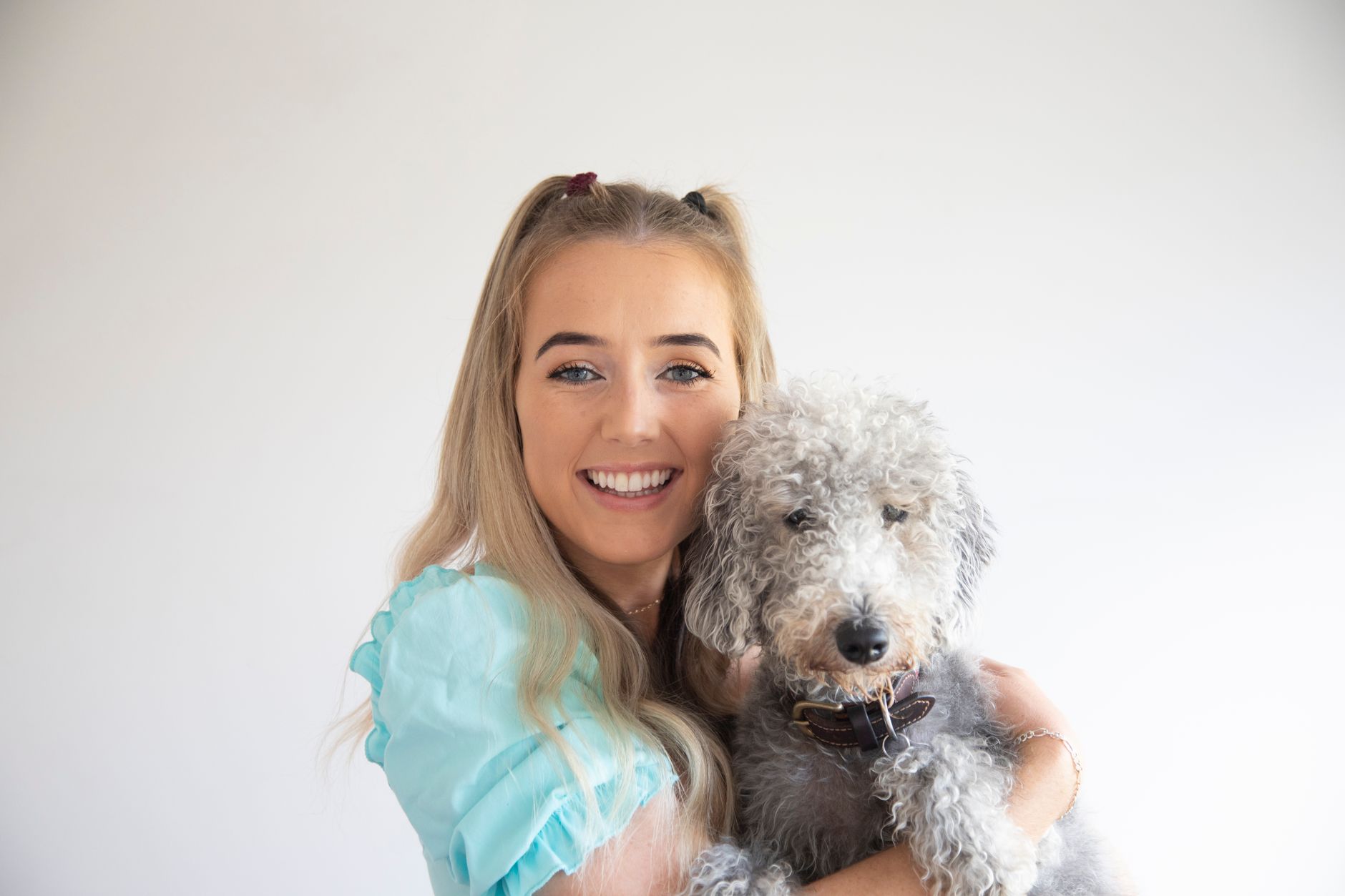
Comedian Katherine Ryan has voiced a complex mix of grief and relief following the conviction of Russell Brand on charges of rape and sexual assault. Her reaction highlights the emotional toll such cases take on survivors and those who speak out, as well as the broader cultural reckoning within the entertainment industry.
Katherine Ryan’s Cautious Courage in Naming a “Predator”
Ryan, a Canadian comedian known for her sharp wit and candid commentary, had previously alluded to an unnamed “predator” in the entertainment world during a 2022 BBC documentary with Louis Theroux. While she did not explicitly name Brand at the time, public speculation linked her comments to her experience working alongside him on Comedy Central’s Roast Battle in 2018. Ryan described confronting the individual directly, calling him a predator to his face, though she refrained from identifying him publicly due to the potential legal repercussions.
Her decision to speak out, even indirectly, underscores the difficult position many survivors and witnesses find themselves in—balancing the desire to expose wrongdoing with the fear of legal and professional retaliation. Ryan’s recent reflections on Brand’s conviction reveal the emotional complexity survivors face: relief that justice has been served, grief over the harm inflicted, and concern for those still carrying trauma.
The Impact of Brand’s Conviction on Survivors and Industry Culture
Brand was found guilty of one count of rape and three counts of sexual assault, with sentencing scheduled for Monday. The verdict was a pivotal moment not only for the victims but also for the entertainment industry, which has been grappling with allegations of abuse and misconduct for years.
Ryan praised the bravery of the survivors who came forward despite Brand’s fame, wealth, and devoted fanbase. She highlighted how Brand’s cultivated image as a countercultural figure and his claims of being targeted by an establishment conspiracy complicated public perception and made it harder for survivors to be believed. This dynamic reflects a broader challenge in cases involving high-profile perpetrators, where charisma and celebrity can shield abusers from accountability.
Former BBC One controller Lorraine Heggessey echoed these concerns, questioning how Brand was able to evade scrutiny for so long. She pointed to the entertainment industry’s fascination with “cool” personalities and the commercial incentive to attract young audiences as factors that contributed to Brand’s prolonged impunity. Heggessey’s remarks emphasize the need for systemic changes in how media organizations handle allegations against influential figures.
Ongoing Investigations and the Wider Legal Context
Brand now faces additional rape allegations from two women, one reportedly a minor at the time of the alleged offense. These new claims are under active police investigation, signaling that the legal repercussions for Brand may extend beyond the current conviction. The Metropolitan Police have indicated that further victims might come forward, reflecting a pattern often seen in high-profile abuse cases where initial verdicts encourage others to speak out.
The complexity of Brand’s case was underscored during pre-trial hearings, where his defense unsuccessfully argued that media coverage had prejudiced the possibility of a fair trial. Prosecutors countered that the investigation and prosecution were conducted appropriately despite public attention, illustrating the tension between transparency, media scrutiny, and judicial fairness.
Public Figures React: From Faith to Accountability
Among those commenting on the case was adventurer Bear Grylls, who had participated in Brand’s private baptism in 2024. Grylls emphasized the importance of separating spiritual faith from judicial judgment, affirming that while faith can offer personal healing, accountability must be upheld through the legal system. His nuanced stance reflects a broader societal debate about redemption, forgiveness, and justice in cases of serious criminal behavior.
Meanwhile, the head of the Metropolitan Police, Sir Mark Rowley, warned against victim blaming, a phenomenon that emerged during the trial and is a common hurdle for survivors seeking justice. His remarks serve as a reminder of the ongoing cultural shift needed to support victims and dismantle entrenched attitudes that protect abusers.
What Katherine Ryan’s Response Reveals About Survivor Solidarity
Ryan’s public statements, particularly on her podcast, illustrate the solidarity among survivors and allies that is crucial in challenging abuse in powerful industries. Her refusal to “dance on graves” while acknowledging the importance of justice reflects a mature and empathetic approach to a painful subject. It also signals a call for continued vigilance and support for survivors beyond courtroom victories.
Her words resonate with many women who have felt silenced or marginalized, highlighting the emotional labor involved in confronting abusers and the mixed emotions that accompany any measure of justice. Ryan’s perspective adds a valuable voice to the ongoing conversation about how society can better protect vulnerable individuals and hold perpetrators accountable without retraumatizing survivors.
The Russell Brand case is more than a legal milestone; it is a cultural moment that exposes the vulnerabilities within entertainment circles and challenges the public to reconsider how fame, power, and accountability intersect. Katherine Ryan’s candid reflections offer both a personal and collective lens on the complexities faced by those who dare to speak out against abuse.
Recommended reading
For more context, see related Peack News coverage and explainers linked below.