
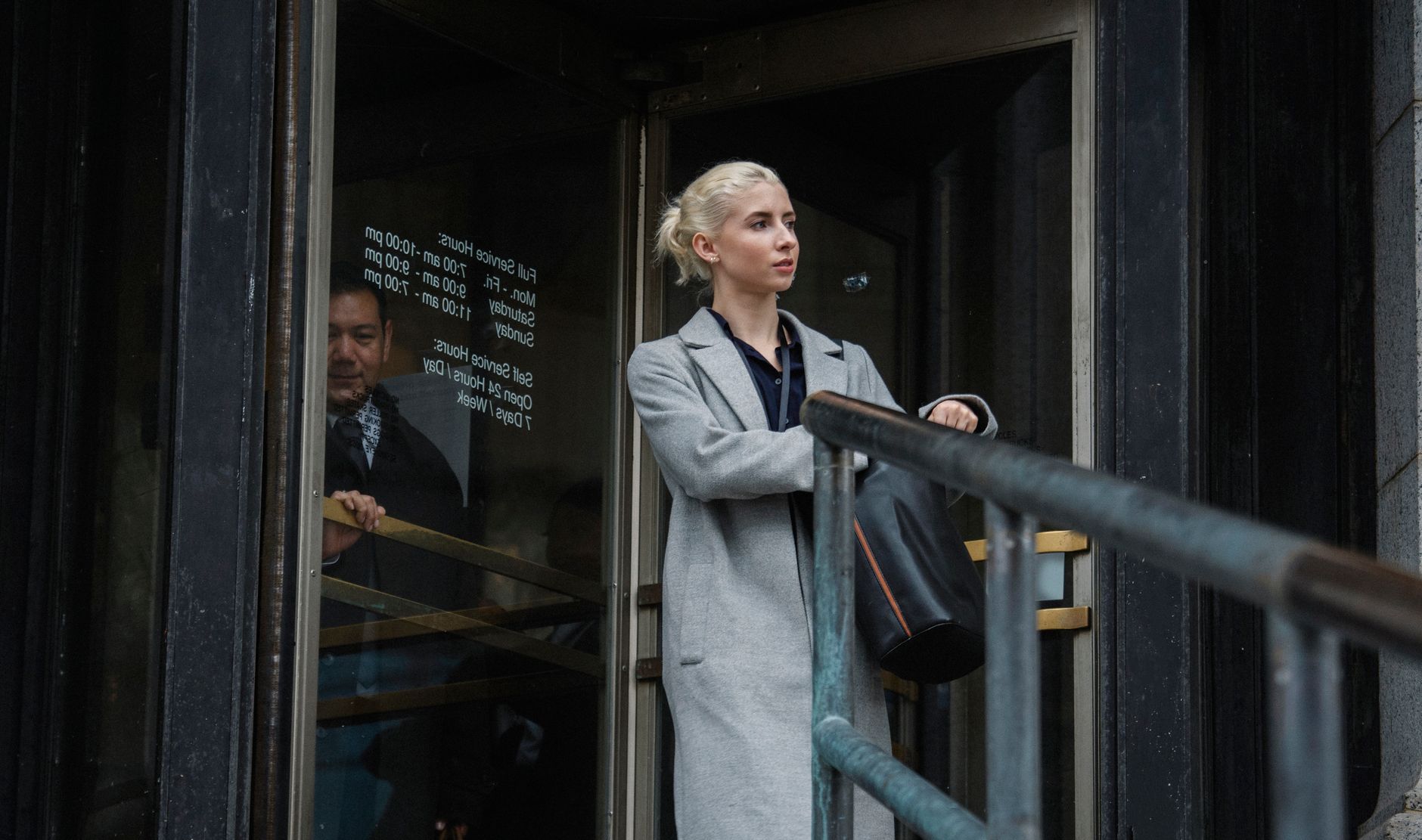
New revelations have emerged exposing the troubling intersection between the modeling industry and Jeffrey Epstein’s network of abuse. A woman who survived Epstein’s sexual exploitation has accused Jeff Fuller, then-president of MC2 Model Management, of endangering her by sending her to photoshoots at Epstein’s Florida estate even after his conviction for sex offences. This disturbing claim sheds light on how certain figures within the fashion world may have facilitated Epstein’s continued access to vulnerable young women.
Agency Complicity in Epstein’s Abuse Network
Roza, the survivor who spoke to the BBC, was just 18 when she arrived in the United States from Uzbekistan and was swiftly sent to Epstein’s Palm Beach home for photoshoots organized by MC2’s US branch. At the time, Epstein was serving jail time for sex offenses but was permitted work release from his home. Despite this, the modeling agency’s leadership, including Jeff Fuller, allegedly maintained close ties with Epstein and knowingly placed Roza in harm’s way.
Roza’s account is bolstered by documentation showing Fuller booked her flights and was fully aware of her whereabouts. She describes the photoshoots as staged and bizarre, with Epstein’s then-girlfriend, Nadia Marcinko, acting as the photographer. These sessions were not professional modeling opportunities but part of a grooming process that eventually led to Roza becoming Epstein’s assistant — a role many survivors have linked to ongoing abuse.
Broader Industry Links and Patterns of Grooming
The case of MC2 is not isolated. DOJ documents reveal that Epstein maintained contact with at least 10 models from MC2 after his conviction, and that he had previously donated $1 million to the agency. Other industry figures, such as former agent Ramsey Elkholy and agency director Faith Kates, also appear in the DOJ files, raising questions about how widespread Epstein’s influence was within modeling circles.
Elkholy reportedly attempted to connect dozens of women to Epstein, including minors, while Kates, once a top executive at Next Management, was implicated in facilitating meetings between Epstein and models. Survivors like Simona, another victim who endured years of abuse, recount how Epstein used his connections to control and exploit models, sometimes encouraging plastic surgery and career shifts to isolate them further.
The Power Dynamics Trapping Survivors
Legal experts emphasize that many of Epstein’s assistants and the young women in his orbit had little agency. Sigrid McCawley, representing over 100 victims, explains that these survivors were coerced into compliance under threat of losing their livelihoods and facing ongoing abuse. The modeling agencies, instead of acting as protectors, often became enablers by turning a blind eye or actively facilitating Epstein’s predatory behavior.
Survivors repeatedly highlight the psychological and emotional trauma inflicted, contradicting narratives that suggest they consented or benefited from their exploitation. The long-lasting impact on their lives underscores the urgent need for accountability and reform within industries that intersect with vulnerable populations.
Calls for Legislative Action and Industry Reform
New York State Senator Zellnor Myrie has proposed legislation aimed at empowering law enforcement to investigate and hold accountable those who knowingly enabled Epstein’s abuse. This includes individuals within the modeling industry who facilitated access or ignored warning signs. The bill reflects growing recognition that Epstein’s crimes were not committed in isolation but involved a network of enablers.
Advocacy groups like the Model Alliance are also pushing for stronger protections for models, highlighting how agencies often serve as gatekeepers who can either protect or exploit talent. The revelations about MC2’s dissolution and Fuller’s creation of a new agency, The Source Models, which absorbed many former MC2 models, raise concerns about continuity of problematic practices under new guises.
Survivors Breaking Silence to Spur Change
Roza’s decision to share her story publicly is part of a broader movement of survivors seeking justice and reform. By naming those who endangered her and others, she hopes to inspire more victims to come forward and to pressure institutions to take responsibility. Her message is clear: survivors are no longer willing to be silenced or ignored.
The fashion and modeling industries face a reckoning as these revelations expose systemic failures and complicity in one of the most notorious abuse scandals of recent times. Meaningful change will require transparency, legal accountability, and a commitment to safeguarding the vulnerable from exploitation hidden behind glamour and opportunity.
Recommended reading
For more context, see related Peack News coverage and explainers linked below.
- Trump claims FBI is probing Nvidia CEO’s relationship with alleged Chinese spy
- Republican Congressman to Push Impeachment Vote on Defense Secretary Hegseth
- Surgeon eating near Krakow shooting likely saved officer’s life, says colleague
- Explainer: Major Cybersecurity Threats in 2026
- Explainer: US-China Tech Competition