
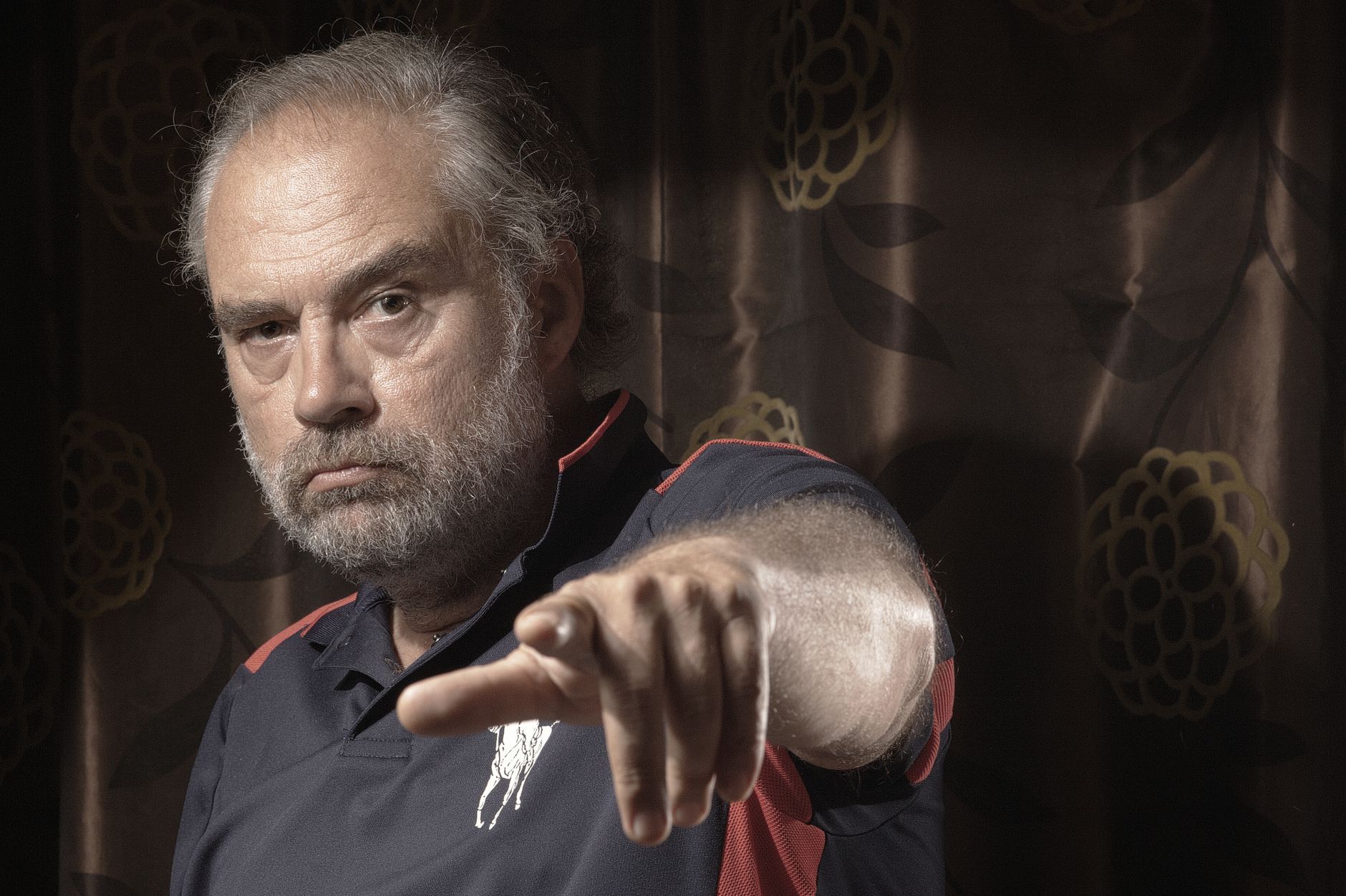
David Walliams, the British comedian and author widely known for his work on “Little Britain” and as a judge on “Britain’s Got Talent,” now faces serious sexual misconduct allegations spanning over a decade. The claims emerged following a High Court decision denying Walliams an injunction to prevent publication of the accusations, allowing media outlets ITV News and The Guardian to reveal details of a prolonged investigation involving multiple women. The allegations, which Walliams vehemently denies, paint a troubling picture of power dynamics, grooming, and alleged abuse involving teenage girls and young women.
The Nature of the Allegations and the Investigation
The joint investigation by ITV News and The Guardian, spanning three years, uncovered testimonies from several women who allege that Walliams engaged in inappropriate sexual behavior when they were minors or young adults. Among the most serious claims is that of a woman who says she was groomed from the age of 15 and had a sexual relationship with Walliams at 17. Another woman alleges what she describes as a sexual assault at the age of 15, involving unwanted physical contact and manipulation. Additional accounts include unwanted advances, inappropriate invitations to Walliams’s dressing room during “Britain’s Got Talent,” and allegations of misconduct within the workplace at HarperCollins, where Walliams had professional ties as a bestselling children’s author.
These women, who do not know each other, describe a pattern of behavior that involves exploiting Walliams’s celebrity status and power imbalance to initiate sexual relationships or encounters that they characterize as coercive or abusive. The allegations cover a period stretching back nearly two decades, underscoring how such behavior can remain hidden behind fame and public persona.
Walliams’s Response and Legal Battle
David Walliams has categorically denied all allegations of grooming and sexual misconduct. In a letter addressed to journalists, he stated, “I am not a sexual predator” and insisted he had not broken any laws. However, he acknowledged that he had sometimes behaved “thoughtlessly” in casual sexual relationships and regretted not always considering others’ feelings adequately. Walliams emphasized that while a power imbalance is inevitable given his celebrity, he never abused that power.
Prior to the publication of the investigation, Walliams sought a legal injunction to prevent the media from naming him in connection with the allegations, citing concerns for his mental health and previous suicide attempts. The High Court rejected this request, ruling that the public interest in transparency outweighed Walliams’s privacy concerns. Following this decision, Walliams did not appeal, and his identity was made public.
Industry and Public Repercussions
The fallout has been swift. Independent Talent Group, Walliams’s long-time literary agency, severed ties with him. HarperCollins announced it would no longer publish his works and had already removed his back catalogue from circulation. Major broadcasters have also acted decisively: the BBC removed “Little Britain” from iPlayer, and Sky cancelled an upcoming adaptation of Walliams’s fantasy film “Fing!” and removed all related content from its platforms.
These moves reflect a broader reckoning in the entertainment and publishing industries regarding accountability for figures accused of misconduct. The swift corporate distancing underscores the seriousness with which these allegations are being treated, even as legal processes continue.
Wider Implications for Celebrity Culture and Power Dynamics
The Walliams case highlights enduring challenges in how society and institutions handle allegations against high-profile individuals. The stories reveal how celebrity status can create environments ripe for exploitation, where victims may feel powerless or afraid to come forward. The fact that some allegations involve grooming—an insidious process of manipulation and control—raises urgent questions about safeguarding young people in entertainment and related industries.
Moreover, the legal battle over anonymity and publication rights brings to light tensions between protecting the privacy and mental health of accused individuals and the public’s right to know about alleged abuses of power. The court’s decision to prioritize transparency may set a precedent for future cases involving public figures and allegations of sexual misconduct.
Voices of the Accusers
Among the women who have spoken publicly, Lilly Creightmore stands out for waiving her right to anonymity. She described feeling manipulated and pressured into a sexual relationship with Walliams when she was a teenager. Her candidness and anger reflect a growing willingness of survivors to confront powerful figures and demand accountability. Creightmore’s testimony, along with others, sheds light on a culture that has historically enabled predatory behavior to go unchecked.
Next Steps: Legal and Social Accountability
The Metropolitan Police have contacted the media organizations involved to ensure that any potential victims are aware of how to report criminal allegations. While no charges have been announced, the investigation and public exposure may encourage further disclosures and possibly legal action.
For Walliams, the path ahead is fraught with challenges. Beyond legal scrutiny, his reputation and career have suffered significant damage. The broader entertainment industry faces pressure to implement stronger safeguards and cultural changes to prevent abuse of power.
As this story continues to unfold, it serves as a stark reminder of the complexities surrounding celebrity misconduct allegations and the urgent need to create safer environments for vulnerable individuals in all sectors.
Recommended reading
For more context, see related Peack News coverage and explainers linked below.