
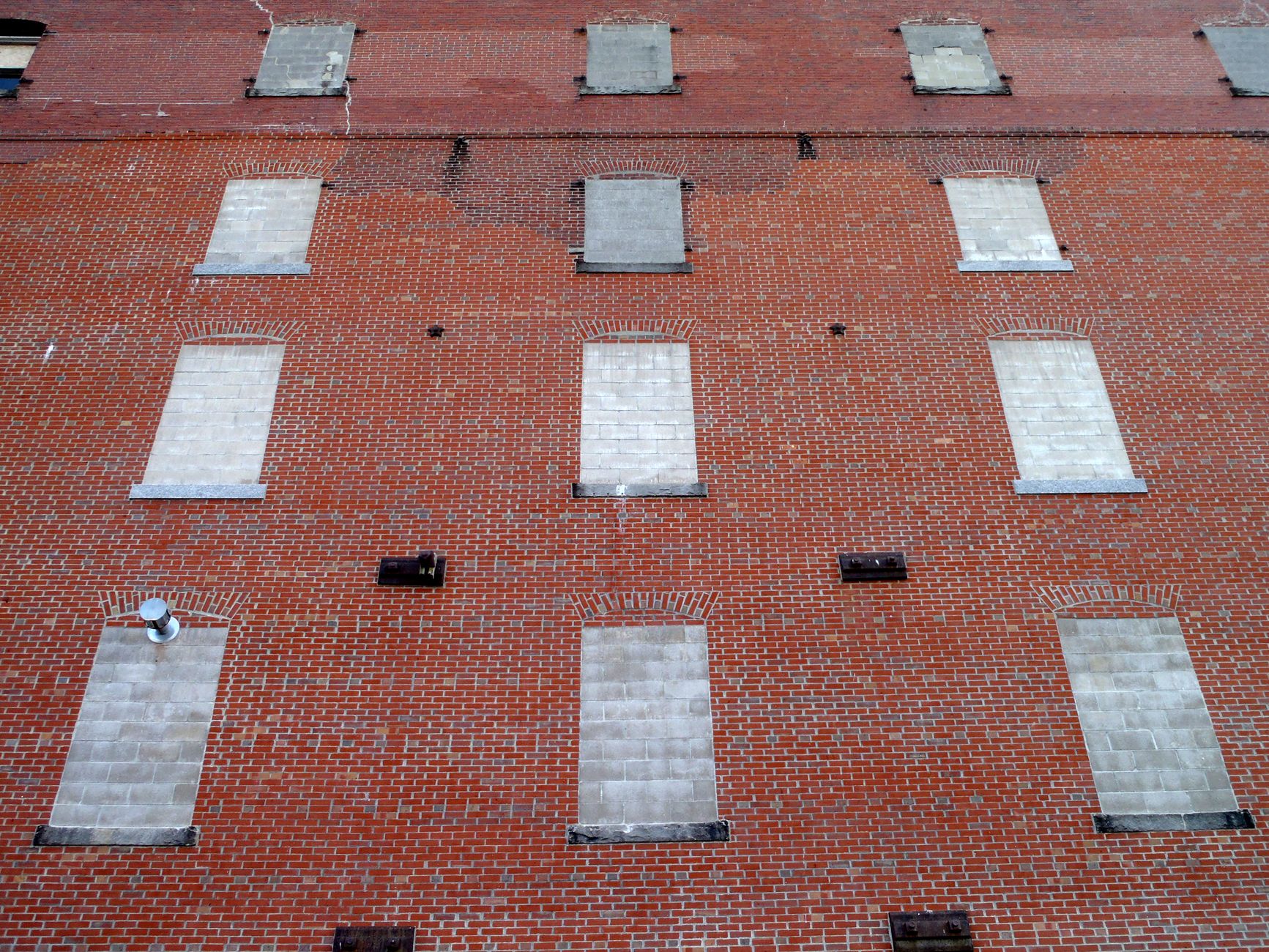
In the city where skyline views often define the allure of apartment living, a surprising number of New Yorkers pay high rents for units with less-than-ideal vistas—some staring directly at brick walls. This phenomenon highlights the complex realities of New York City’s rental market, where location, convenience, and demand often outweigh even the most basic expectations of natural light and scenery.
The Hidden Cost of Compromised Views in NYC Rentals
New York City is notorious for its exorbitant housing costs, with average rents in Manhattan frequently surpassing $4,000 per month for a one-bedroom apartment. Yet, many renters find themselves confined to spaces where the window’s only view is a neighboring building’s brick facade just inches away. This stark reality is a byproduct of the city’s dense urban fabric and relentless demand for housing.
Renters in these units often pay a premium simply to be in a desirable neighborhood or close to transit hubs, even if their apartments lack sunlight or any semblance of a view. The trade-off is clear: proximity and convenience come at the expense of natural ambiance. For some, the ability to walk to work or live near cultural hotspots justifies the claustrophobic outlook.
Why Renters Accept Brick Wall Views
- Location Over Light: Many tenants prioritize neighborhoods like Williamsburg, Harlem, or the Lower East Side, where rents are high but the housing stock is limited. A brick wall view is a small price to pay for access to vibrant communities and amenities.
- Market Pressures: The competitive rental market in NYC often leaves renters with few options. With vacancy rates hovering near historic lows, apartments—even with poor views—are snapped up quickly.
- Building Age and Zoning: Older buildings and tight zoning regulations mean new developments often squeeze into narrow lots, limiting window placement and views. Tenants may unknowingly rent units where windows face close walls simply because the layout is dictated by the building’s footprint.
- Price Variation: While some apartments with brick wall views might be slightly cheaper than those with street or park views, the difference is often marginal, reflecting the overall high demand.
The Psychological and Practical Impact of Window Views
Living with a window facing a brick wall can have subtle but significant effects on residents’ well-being. Natural light is crucial for mental health, and the absence of a view can contribute to feelings of confinement or isolation. In a city buzzing with life, these apartments can feel like a stark contrast to the energy outside.
Practical issues also arise: limited sunlight can mean higher electricity bills due to the need for artificial lighting during the day, and poor ventilation if windows open onto narrow air shafts. Such conditions may reduce the overall quality of life despite the financial sacrifice.
What This Means for NYC’s Housing Future
The prevalence of apartments with brick wall views underscores the urgent need for innovative housing solutions in New York City. As the population grows and affordable housing remains scarce, developers and city planners face pressure to balance density with livability.
Efforts to improve building codes, encourage light wells, and design more thoughtful urban layouts could help mitigate the issue. Meanwhile, renters must navigate a market where the price of location often eclipses the comfort of a pleasant view.
Ultimately, the rent paid for an NYC apartment with a brick wall view tells a story about the city’s housing crunch—a story of compromise, resilience, and the high stakes of urban living.
Recommended reading
For more context, see related Peack News coverage and explainers linked below.