
In the heart of the Democratic Republic of Congo’s (DRC) most devastating Ebola outbreak, a remarkable story of survival and resilience has emerged. Dr. Raymond Kasereka Kamwanga, a young physician from Butembo, North Kivu province, defied not only the deadly virus but also the deep-seated fear and mistrust that surrounds Ebola treatment in his community. Despite his mother’s desperate pleas against going to the Ebola treatment centre, which many locals see as a “death house,” Kamwanga’s survival offers a powerful testament to the possibility of recovery and the urgent need to combat misinformation.
Facing Ebola Amidst Fear and Stigma
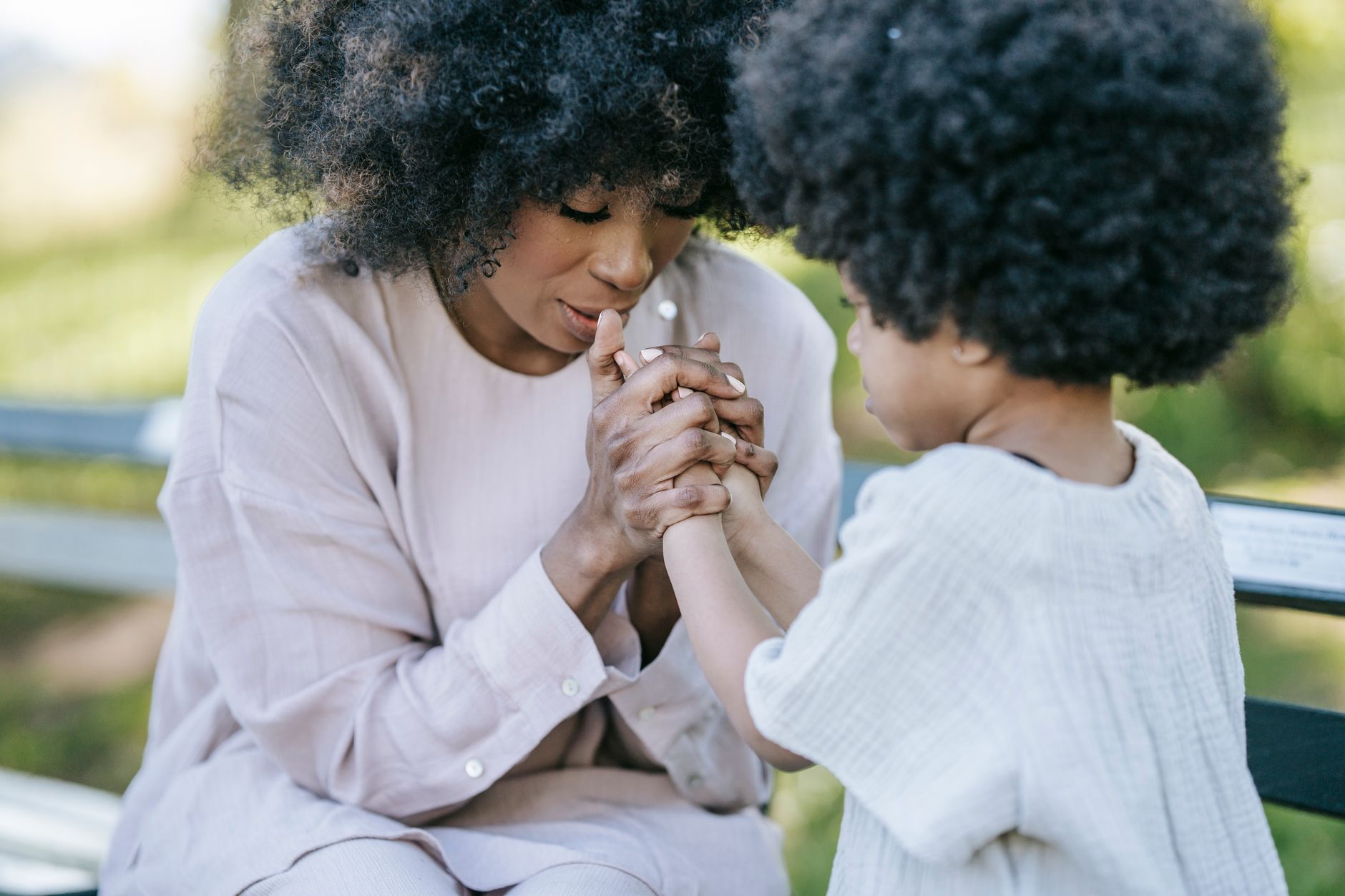
When Dr. Kamwanga first suspected he had contracted Ebola, his family’s reaction was one of horror and despair. His mother, Masika Ndungo, was overwhelmed with fear, begging him not to seek treatment at the specialised centre in Butembo. This reaction is not uncommon in North Kivu, where years of conflict and trauma have bred suspicion toward health interventions. The Ebola treatment centres, despite being the frontline of care, are often seen as places where patients are sent to die rather than to heal.
Kamwanga’s predicament highlights the complex social dynamics that hinder effective epidemic response. Even as a medical professional, he faced the challenge of convincing his family—and by extension, his community—that seeking medical care was the best chance for survival. His mother’s tears and reluctance reflect a broader mistrust fueled by misinformation, fear of contagion, and the high mortality rate associated with Ebola.
The Struggle for Diagnosis and Treatment
Kamwanga’s symptoms began subtly—a bitter taste, headaches, and malaise—before escalating to severe vomiting and diarrhoea. In a region where diagnostic resources are scarce, confirming Ebola is a slow and arduous process. Samples must be transported over difficult terrain to distant labs, delaying diagnosis and care. This logistical challenge exacerbates fears and hampers timely treatment.
Once admitted to the treatment centre, Kamwanga received symptomatic care aimed at managing dehydration and organ stress. The current Ebola strain in DRC, the Bundibugyo virus, lacks an approved vaccine or specific antiviral treatment, making supportive care critical. Over 13 harrowing days, Kamwanga battled the virus, sustained by hope and the dedication of healthcare workers. His survival was a rare victory amid thousands of deaths.
Breaking the Silence: From Survivor to Advocate
Emerging from the treatment centre, Kamwanga faced another battle: stigma. Despite official clearance of his recovery, his family maintained a cautious distance for the virus’s 21-day incubation period. This social isolation underscores the persistent fear of contagion and the challenges survivors face reintegrating into their communities.
Determined to change perceptions, Kamwanga turned his experience into a tool for education and advocacy. He began writing a book, The Price of Saving Lives, and actively participates in community outreach, sharing his story and distributing photographs from his illness to prove Ebola’s reality. His efforts aim to dismantle conspiracy theories and mistrust, which are often intensified by poverty, political instability, and decades of armed conflict in the region.
Challenges of Misinformation and Distrust
Kamwanga’s outreach work is fraught with obstacles. Many locals view Ebola awareness campaigns as profiteering schemes funded by foreign donors, while some accuse health workers of spreading falsehoods. This skepticism is compounded by reports of government corruption and misappropriation of Ebola funds, leading to shortages of protective equipment and inadequate support for frontline workers.
The intertwining of conflict and epidemic has created a fertile ground for rumors that Ebola is a tool of political oppression or a continuation of violence by other means. Kamwanga’s personal experience and public advocacy confront these dangerous narratives head-on, but not without personal risk. He has received death threats and witnessed attacks on health workers, reflecting the volatile environment in which the epidemic unfolds.
Lessons for Epidemic Response and Community Trust
Dr. Kamwanga’s story encapsulates the dual crises faced by Ebola responders in eastern DRC: a deadly virus and a crisis of trust. His survival is a beacon of hope, demonstrating that Ebola is not an automatic death sentence and that treatment can save lives. However, the broader battle demands more than medical intervention; it requires rebuilding confidence in health systems and addressing the socio-political factors that fuel fear and misinformation.
Strengthening community engagement, ensuring transparency in funding, and protecting healthcare workers are crucial steps to controlling Ebola’s spread. Kamwanga’s courageous decision to share his journey publicly is a vital contribution to these efforts, offering a human face to a disease too often shrouded in fear and misunderstanding.
As the DRC continues to grapple with the outbreak, stories like Kamwanga’s remind us that survival and recovery are possible—and that overcoming Ebola requires not only science but also trust, courage, and solidarity.
Recommended reading
For more context, see related Peack News coverage and explainers linked below.