
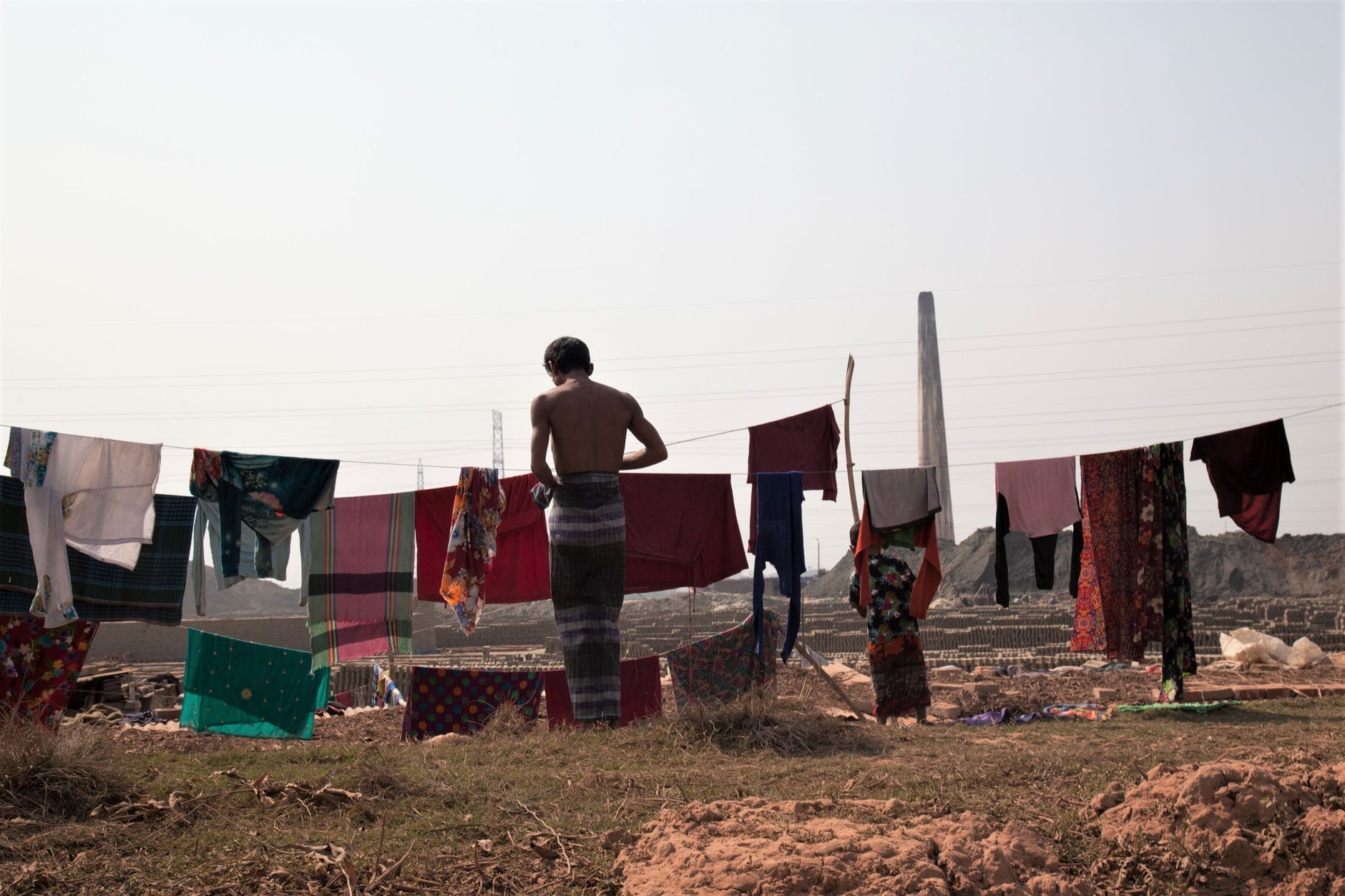
Bangladesh’s garment industry, a cornerstone of the nation’s economy and a global textile powerhouse, has been brought to a halt as thousands of factory workers strike demanding a substantial increase in their minimum wage. The widespread shutdown of nearly 150 factories across key textile hubs such as Savar, Ashulia, and Gazipur marks one of the most significant labor disruptions in recent years, spotlighting the growing tensions between workers’ rights and the pressures of global fast fashion demand.
From 12,500 to 30,000 Taka: The Fight for a Living Wage
At the heart of the strike is the workers’ demand to more than double the current minimum wage from 12,500 taka (approximately £75) to 30,000 taka (£182) per month. This demand reflects a broader struggle against the rising cost of living in Bangladesh, where inflation and basic expenses have surged sharply. For millions of garment workers, the existing wage fails to cover essentials such as food, housing, healthcare, and education.
The call for a 30,000 taka minimum wage is not merely a number—it represents a plea for dignity and survival in an industry that has long been criticized for its low pay and poor working conditions. Workers argue that while the garment sector generates nearly $40 billion annually in exports and accounts for 10% of Bangladesh’s GDP, the benefits have disproportionately favored factory owners and global brands rather than those on the production lines.
Economic Ripple Effects of Factory Closures
The strike has led to a near paralysis of production in Bangladesh’s garment hubs, with dozens of factories shuttered and workers blocking major highways such as the Dhaka-Tangail route. The immediate consequence is a halt in the supply chain for international brands, including giants like H&M, Zara, and Primark, which rely heavily on Bangladeshi factories for their ready-to-wear collections.
Bangladesh is the world’s second-largest exporter of garments after China, making these disruptions a potential headache for global fashion markets. If the strike prolongs, brands may face delays, increased costs, or the need to seek alternative suppliers, which could reshape sourcing strategies and cost structures in the international apparel industry.
The Legal and Political Landscape: “No Work, No Pay” and Wage Negotiations
Bangladesh’s labor laws include a “No Work, No Pay” clause, empowering factory owners to suspend operations and withhold wages during work stoppages. Police have enforced factory closures amid the unrest, citing safety and order concerns. This legal framework has intensified the standoff, as workers risk losing income while pressing for higher pay.
In response to the unrest, the government established a minimum wage board chaired by a senior district judge, tasked with reviewing and recommending a new wage structure. While the board aims to finalize proposals by the end of November, the timeline has done little to quell workers’ frustrations, who feel immediate relief is necessary.
The Bangladesh Garment Manufacturers and Exporters Association (BGMEA) and the Bangladesh Knitwear Manufacturers and Exporters Association (BKMEA) have expressed concern over the ongoing disruptions and called for protective measures for factories. They warn that prolonged closures could threaten the competitiveness of Bangladesh’s garment sector on the global stage.
Workers’ Voices and the Ethics of Fast Fashion
Labor advocates and union leaders emphasize that the current crisis reflects deeper systemic issues. As one union representative noted, workers have borne the brunt of economic hardships for years while factory owners and multinational brands have reaped substantial profits. The demand for a living wage is framed not only as a labor issue but as a fundamental human rights concern.
This strike raises critical questions about the ethics of fast fashion and the sustainability of supply chains built on low-cost labor. Consumers worldwide are increasingly aware of the conditions under which their clothes are made, and pressure is mounting on brands to ensure fair wages and safe working environments.
What Lies Ahead for Bangladesh’s Garment Industry?
The resolution of the wage dispute will have lasting implications for Bangladesh’s garment sector and its workers. A successful negotiation leading to higher wages could improve living standards and reduce labor unrest, but it may also increase production costs, potentially affecting the country’s price competitiveness.
Conversely, failure to address workers’ demands risks prolonged strikes, factory closures, and damage to Bangladesh’s reputation as a reliable garment supplier. The government, factory owners, and international brands face a delicate balancing act: ensuring economic viability while upholding workers’ rights and welfare.
As the minimum wage board prepares its recommendations, the world watches a pivotal moment in the ongoing struggle for fair labor standards in one of the world’s most important garment-producing nations.
Recommended reading
For more context, see related Peack News coverage and explainers linked below.