
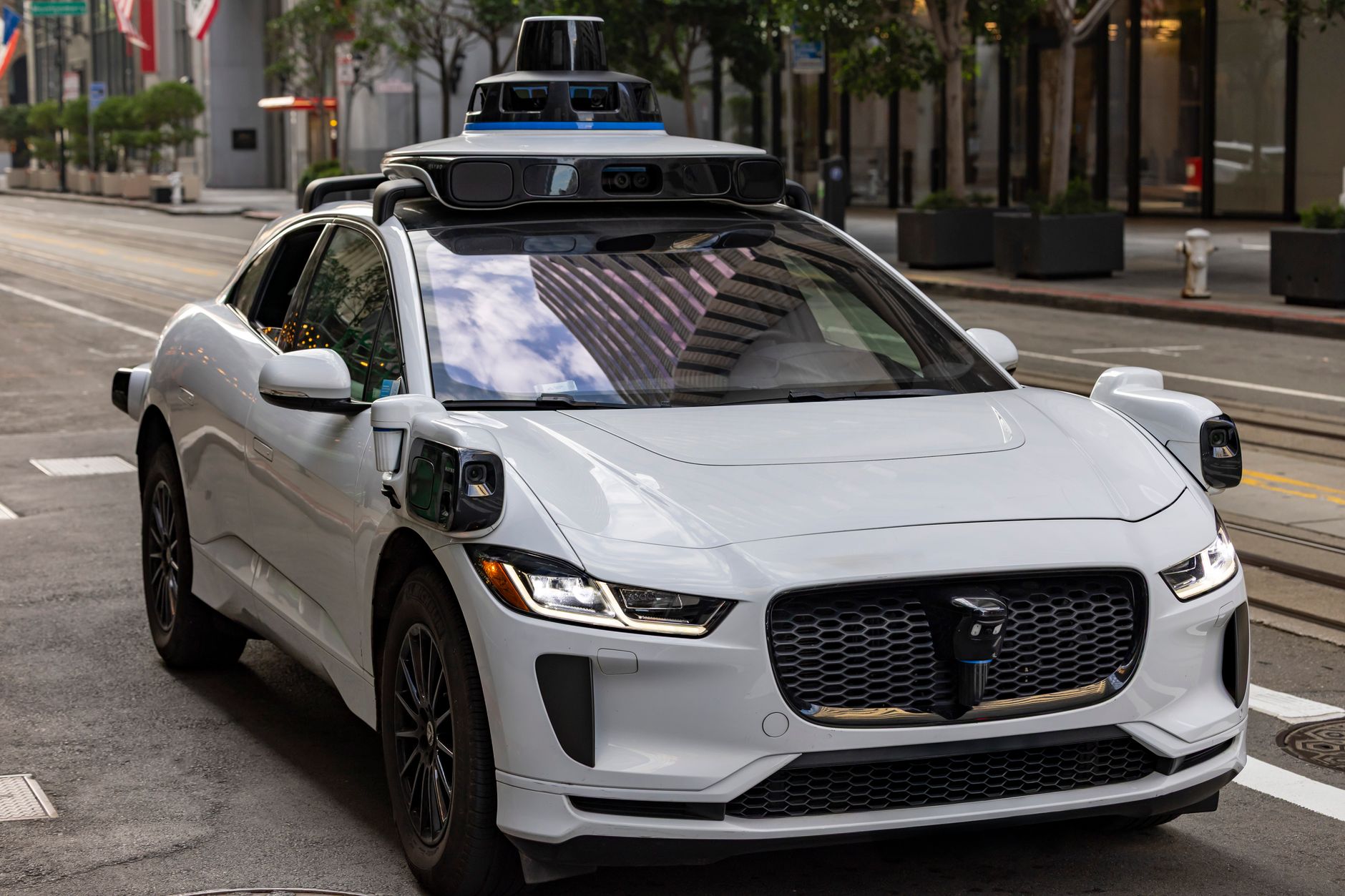
Waymo, the autonomous driving pioneer, has abruptly halted all its driverless car operations on US highways following a regulatory crackdown in California. This move marks a significant setback for the company’s ambitions to expand fully autonomous ride-hailing services and raises broader questions about the challenges facing driverless vehicle deployment on complex roadways.
California’s Safety Concerns Trigger a Nationwide Freeze
The California Department of Motor Vehicles (DMV) recently imposed a ban on Waymo’s driverless cars operating on freeways, citing a series of alarming traffic incidents. Among these were robotaxis entering active construction zones without human intervention, which the DMV deemed an imminent public safety risk. California is a critical market for Waymo, given its dense urban freeway networks and early adoption of autonomous vehicle testing.
In response, Waymo voluntarily extended the suspension of its driverless freeway rides beyond California to all other US cities where it operates. Although its autonomous vehicles are active in 15 cities nationwide, freeway rides had only been offered in select locations such as San Francisco and Los Angeles. The company is now conducting an internal review of its vehicle performance before resuming these operations.
The Complex Challenge of Freeway Autonomy
Operating driverless cars on highways presents unique technical and safety challenges compared to urban streets. Freeways involve higher speeds, merging traffic, lane closures, and sudden changes due to construction or accidents. Autonomous systems must interpret and react to these dynamic conditions flawlessly to ensure passenger and public safety.
Waymo’s driverless vehicles rely on a combination of lidar, radar, cameras, and advanced AI algorithms to navigate these environments. However, the recent incidents suggest that the technology still struggles with unpredictable scenarios such as construction zones, where temporary signage and lane shifts can confuse sensors and decision-making software.
The DMV’s intervention highlights the thin margin for error on freeways, where a single misjudgment can have catastrophic consequences. It also reflects the heightened scrutiny regulators are applying as autonomous vehicles transition from controlled testing to public road deployment.
Implications for the Autonomous Vehicle Industry
Waymo’s freeway suspension serves as a cautionary tale for the broader autonomous vehicle sector. Despite years of development and billions in investment, fully driverless systems remain vulnerable to real-world complexities. This pause may slow down the rollout of driverless ride-hailing services, which are seen as a key pathway to widespread adoption and commercial viability.
Other companies developing autonomous vehicles are likely to face similar regulatory pressures, especially in states with rigorous safety oversight. The industry may need to recalibrate expectations around timelines and focus more on incremental improvements and hybrid models that retain human safety drivers in challenging environments.
Moreover, the incident underscores the importance of transparent communication between companies and regulators. Collaborative efforts to refine safety standards, share incident data, and improve vehicle responses to construction zones and other hazards will be essential to rebuilding trust and advancing autonomous technology.
Waymo’s Path Forward Amid Regulatory Scrutiny
Waymo remains a leader in autonomous driving, with a vast fleet and extensive data collection from millions of miles driven. The company has emphasized that the suspension is temporary and that safety remains its top priority. Its internal review will likely focus on enhancing detection and decision-making algorithms to better handle complex freeway scenarios.
Resuming driverless freeway operations will require regulatory approval, which may involve demonstrating improved safety performance and possibly updating operational protocols. Waymo’s experience may also prompt other autonomous vehicle developers to proactively strengthen their freeway capabilities before seeking expanded deployment.
Ultimately, the removal of Waymo’s driverless cars from US highways is a reminder that the road to fully autonomous transportation is fraught with technical, regulatory, and safety hurdles. While setbacks are inevitable, they also provide crucial learning opportunities to refine the technology and regulatory frameworks necessary for a future where driverless vehicles are a safe and trusted part of everyday life.
Recommended reading
For more context, see related Peack News coverage and explainers linked below.
- Van Gogh painting sells for record $190.4 million despite Nazi history dispute
- Trump and Xi meet as Nvidia spy scandal challenges China’s AI ambitions
- Thomas Markle charged with child sex abuse material offenses in Philippines
- Explainer: Complete Guide to AI Regulation
- Explainer: US-China Tech Competition