
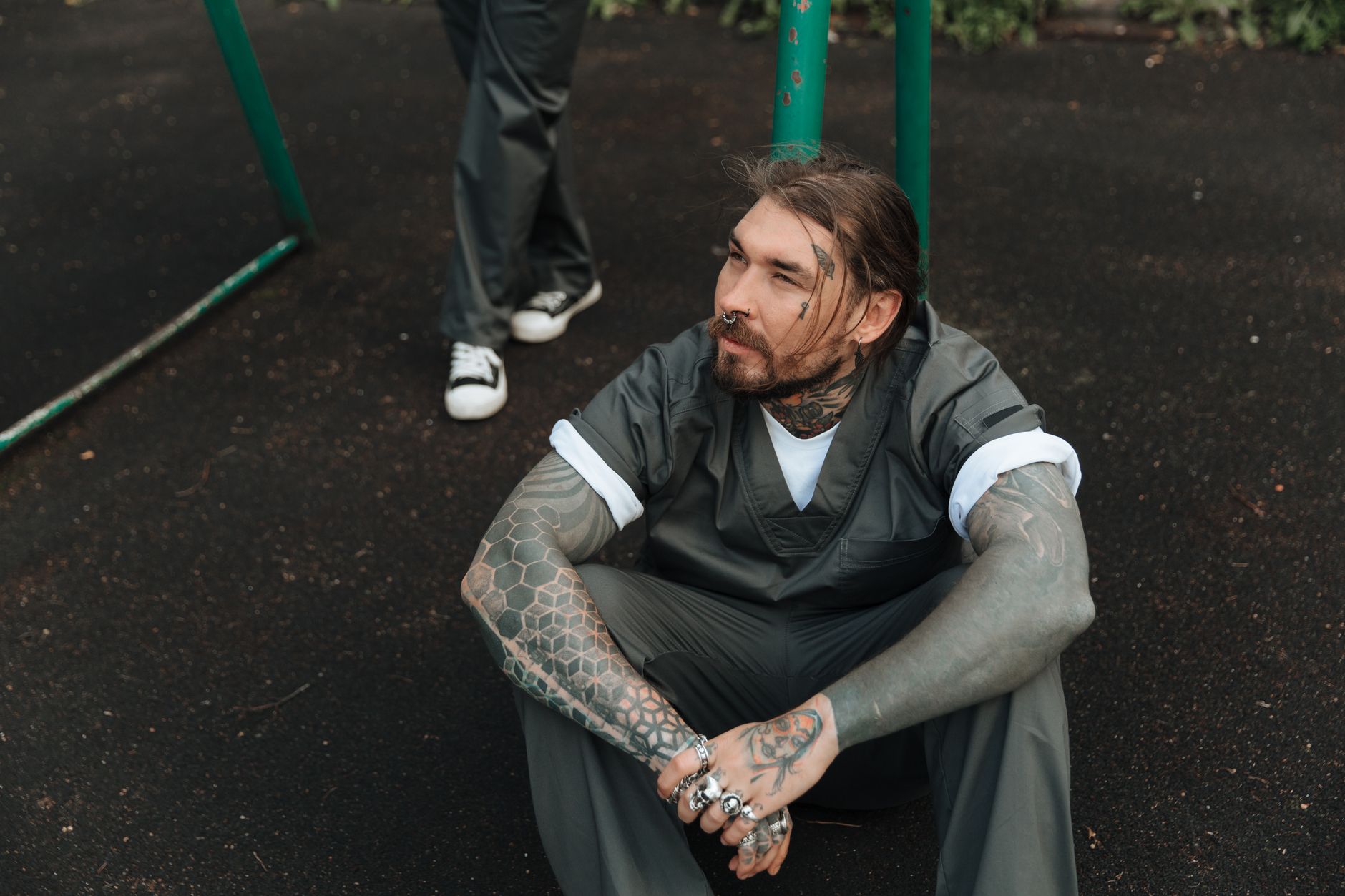
Joseph Langdon’s journey from a young offender institution to starring on the West End stage is a testament to the transformative power of the arts. Once embroiled in gang-related crime in south London, Langdon found a lifeline through drama lessons offered during his detention. Now, as he prepares to play the prince in the Bristol Old Vic’s Christmas production of Cinderella: A Fairytale, his story highlights how creative engagement can redirect lives and challenge societal preconceptions about rehabilitation and talent.
Drama as a Catalyst for Change Behind Bars
Joseph Langdon’s introduction to acting came not through traditional schooling or privileged opportunities, but within the confines of a young offenders’ institution in Bristol. Initially hesitant to participate in drama lessons, Langdon soon realized that the experience opened doors to a world he had never imagined possible. The Bristol Old Vic Young Company’s outreach programme provided weekly sessions that nurtured his interest and skills, offering a rare sense of hope and purpose during a difficult chapter of his life.
These drama classes were more than just extracurricular activities; they became a crucial turning point. Langdon credits them with teaching him that he could envision a future beyond the cycle of crime and incarceration that had defined his early years. This shift in mindset is a powerful example of how arts initiatives within correctional facilities can foster personal growth, self-expression, and resilience.
From Detention to the Stage: The Road to Renewal
Upon completing his sentence, Langdon faced a pivotal choice: return to London and risk falling back into old patterns or embrace a fresh start in Bristol. Choosing the latter, he lived in youth hostels and halfway houses while continuing his training through the Bristol Old Vic’s Made in Bristol scheme, which supports young theatre makers with free professional development.
The transition was far from easy. Langdon had to navigate the challenges of reintegration, including housing instability and the lingering stigma of his past. Yet, the support network provided by the theatre community kept him grounded. His work at the box office and participation in various productions allowed him to build confidence and experience, eventually leading to a bursary-funded place at Mountview drama school back in London.
Returning to his hometown was daunting, but Langdon found encouragement from his family and community. Graduating from drama school, he quickly established himself as a versatile actor, performing in films and West End productions—a trajectory few would have predicted during his troubled youth.
The Role of Theatre Institutions in Social Rehabilitation
Langdon’s success story underscores the vital role that institutions like the Bristol Old Vic play in social rehabilitation. The theatre’s director of engagement highlights how belief and investment in young people can have profound impacts, especially for those who have faced systemic barriers.
By providing access to creative education and professional opportunities, theatres can become hubs of inclusion and empowerment. Langdon’s return to Bristol to star in Cinderella: A Fairytale not only symbolizes personal triumph but also reflects the theatre’s commitment to nurturing diverse talent and fostering community connections.
Moreover, Langdon’s engagement with schools and youth groups as a mentor and speaker demonstrates the ripple effect of such programmes. By sharing his experiences, he acts as a beacon for young people from all backgrounds, proving that the arts can be a viable path to self-discovery and success.
Breaking Stereotypes and Inspiring Future Generations
Langdon’s narrative challenges common stereotypes about former offenders, showing that given the right support and opportunities, individuals can rewrite their stories. His presence on stage as a leading actor disrupts preconceived notions about who belongs in the arts and who can succeed.
His work in Cinderella: A Fairytale, a production known for its magical and inclusive storytelling, aligns with his mission to promote diversity and accessibility in theatre. The show, devised by Bristol artists and drawing from the Brothers Grimm, offers a family-friendly experience filled with wonder and fun, making Langdon’s role both symbolically and practically significant.
By embodying the prince, Langdon not only fulfills a personal dream but also serves as a living example that transformation is possible. His story encourages cultural institutions to continue investing in outreach and education, ensuring that talent from all walks of life can flourish.
Looking Ahead: The Power of Second Chances
Joseph Langdon’s journey from a young offender to a celebrated actor is a powerful narrative about redemption, resilience, and the arts’ unique ability to change lives. As Cinderella: A Fairytale runs at the Bristol Old Vic through early January, audiences will witness not just a classic story retold but also the embodiment of hope and renewal in Langdon’s performance.
His experience calls for broader recognition of arts programmes in correctional and underserved communities as essential tools for social change. Investing in such initiatives can yield remarkable outcomes—not only for individuals like Langdon but for society as a whole.
Ultimately, his story is a reminder that with support, belief, and opportunity, the most unlikely beginnings can lead to extraordinary futures.
Recommended reading
For more context, see related Peack News coverage and explainers linked below.