
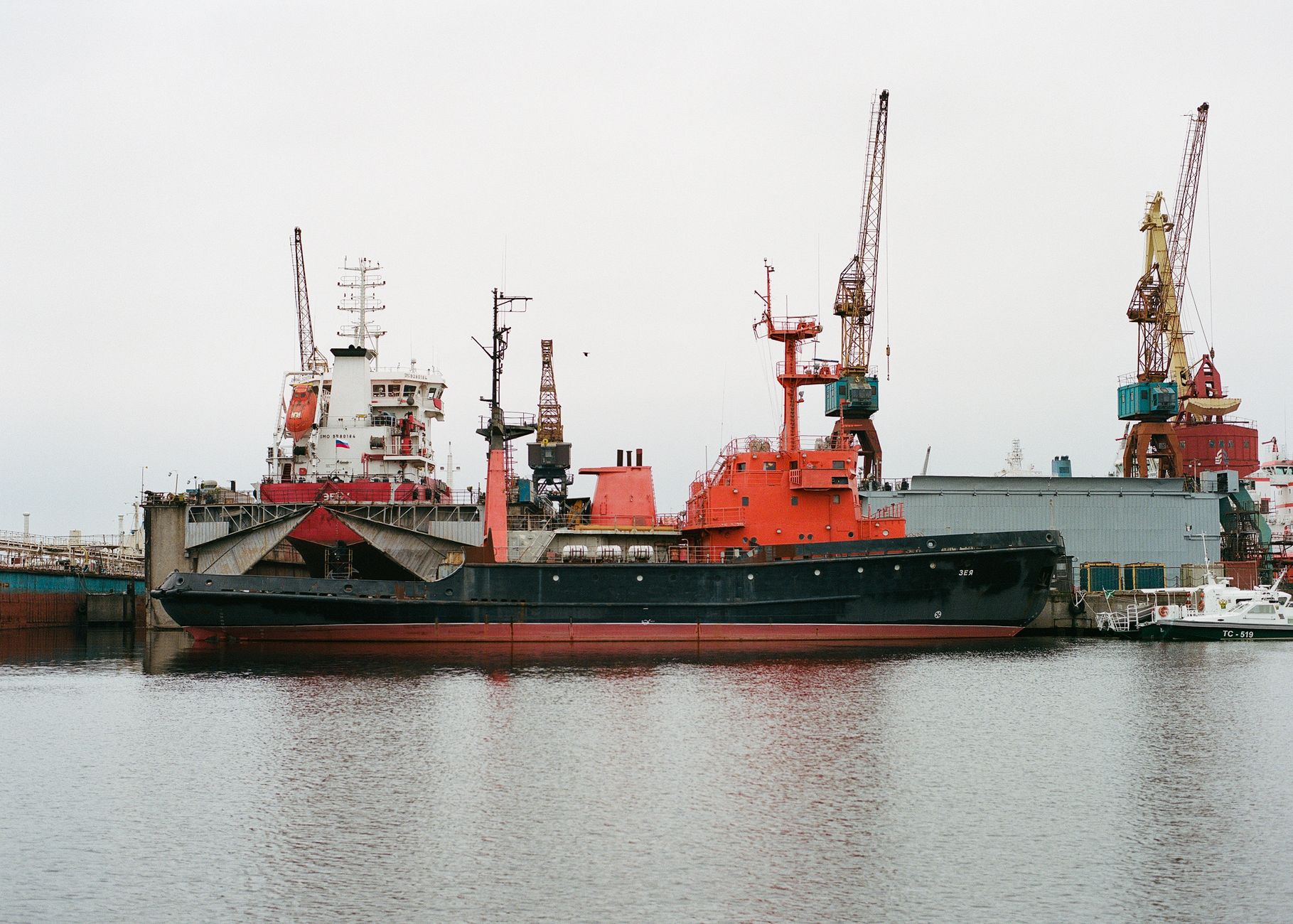
The recent sinking of a Russian corvette in the Libyan port of Benghazi marks a significant escalation in the Ukraine conflict, demonstrating how the war is extending far beyond its original geographic boundaries. This bold strike, orchestrated by Ukraine’s intelligence and military forces, not only targets Russian naval assets thousands of miles from the frontline but also signals a new phase in the conflict where Ukraine is increasingly taking the fight directly to Russian interests abroad.
Ukraine’s Expanding Reach: From the Black Sea to the Mediterranean
The attack on the Russian corvette Merkury in Libya is emblematic of Ukraine’s growing capability and willingness to conduct operations well beyond its immediate borders. Traditionally, the war has been centered in eastern Ukraine and along the Russian-Ukrainian frontier, but recent months have seen a series of audacious strikes targeting Russian assets in distant locations.
For example, Ukraine has employed long-range drones to hit Russian targets in the Baltic Sea region, including oil terminals and dry-cargo vessels. One of the most daring operations, known as Operation Spider’s Web, involved a mobile drone swarm attack on a strategic Russian nuclear bomber base deep inside Siberia.
These actions illustrate that Ukraine is not merely defending its territory but actively disrupting Russia’s military logistics and strategic assets far from the frontline. The Benghazi strike, coordinated with local Libyan factions aligned with Russia, highlights how the conflict is now entangled with broader geopolitical struggles in regions like North Africa.
Libya’s Complex Role and the Risks of Regional Spillover
Libya, still grappling with internal divisions and a fragile political landscape, has become a proxy battleground in the Ukraine war. The eastern part of Libya, controlled by the pro-Moscow warlord Khalifa Haftar, has allowed Russian naval vessels to dock, effectively providing Moscow with a strategic foothold in the Mediterranean.
Ukraine’s decision to strike in Benghazi sends a clear message that Russian military presence anywhere poses a legitimate target, even in countries not formally involved in the conflict. However, this also raises serious concerns about the sovereignty of nations like Libya and the potential for the war to drag in additional regional actors.
The United Nations mission in Libya has expressed deep concern over the attack, underscoring the dangers of the conflict’s expansion. For Libya, the risk is not only further destabilization but becoming a battleground for proxy conflicts with global ramifications.
Implications for International Maritime Security
The attack on Russian naval vessels in a foreign port also challenges existing norms governing maritime security and neutral waters. The International Maritime Organization has condemned attacks on commercial shipping in strategic chokepoints like the Strait of Hormuz, but Ukraine’s strike in Benghazi introduces a new dimension: targeted military operations against warships in ports of countries not involved in the conflict.
This development is likely to unsettle the global shipping community, which depends on secure and neutral ports for commercial and military vessels. If Ukraine’s operation sets a precedent, it could lead to increased militarization and insecurity in international waters and ports, especially in geopolitically sensitive regions.
Broader European Security Concerns Amid Russian Provocations
Beyond Libya, the Ukraine war’s expansion is evident across Europe. Russian projectiles have landed inside NATO member Poland, raising alarms about Moscow’s willingness to test the alliance’s red lines. Similarly, countries bordering Ukraine, such as Romania, Moldova, Bulgaria, and the Baltic states, have experienced incursions by Russian drones and covert attacks on military infrastructure.
These incidents highlight a pattern of hybrid warfare, where Russia employs ambiguous and deniable tactics like drone strikes, cyberattacks, and sabotage to destabilize and intimidate neighboring states. Ukraine, for its part, appears to be adopting similar methods, leveraging technology and intelligence to strike deep into Russian-controlled territories and assets.
The cumulative effect of these actions is a gradual erosion of the geographic and strategic boundaries that once contained the conflict, increasing the risk of broader confrontation in Europe and beyond.
What the Future Holds: Escalation or Containment?
The sinking of the Merkury corvette in Libya underscores a crucial question: how far will the Ukraine conflict spread? With Russia’s military assets vulnerable thousands of kilometers from home and Ukraine’s capabilities growing, the war risks becoming a more diffuse and globalized confrontation.
Yet, the international community remains wary of direct military escalation between NATO and Russia, as well as the destabilization of fragile states like Libya. The challenge lies in managing this expanding conflict without triggering a wider war.
As Ukraine continues to apply pressure on Russian interests abroad, diplomatic efforts and strategic restraint will be essential to prevent the conflict from engulfing new theaters and drawing in additional powers. Meanwhile, the developments in Libya and other distant fronts serve as a stark reminder that modern warfare increasingly transcends borders, complicating efforts to achieve peace and stability.
Recommended reading
For more context, see related Peack News coverage and explainers linked below.