
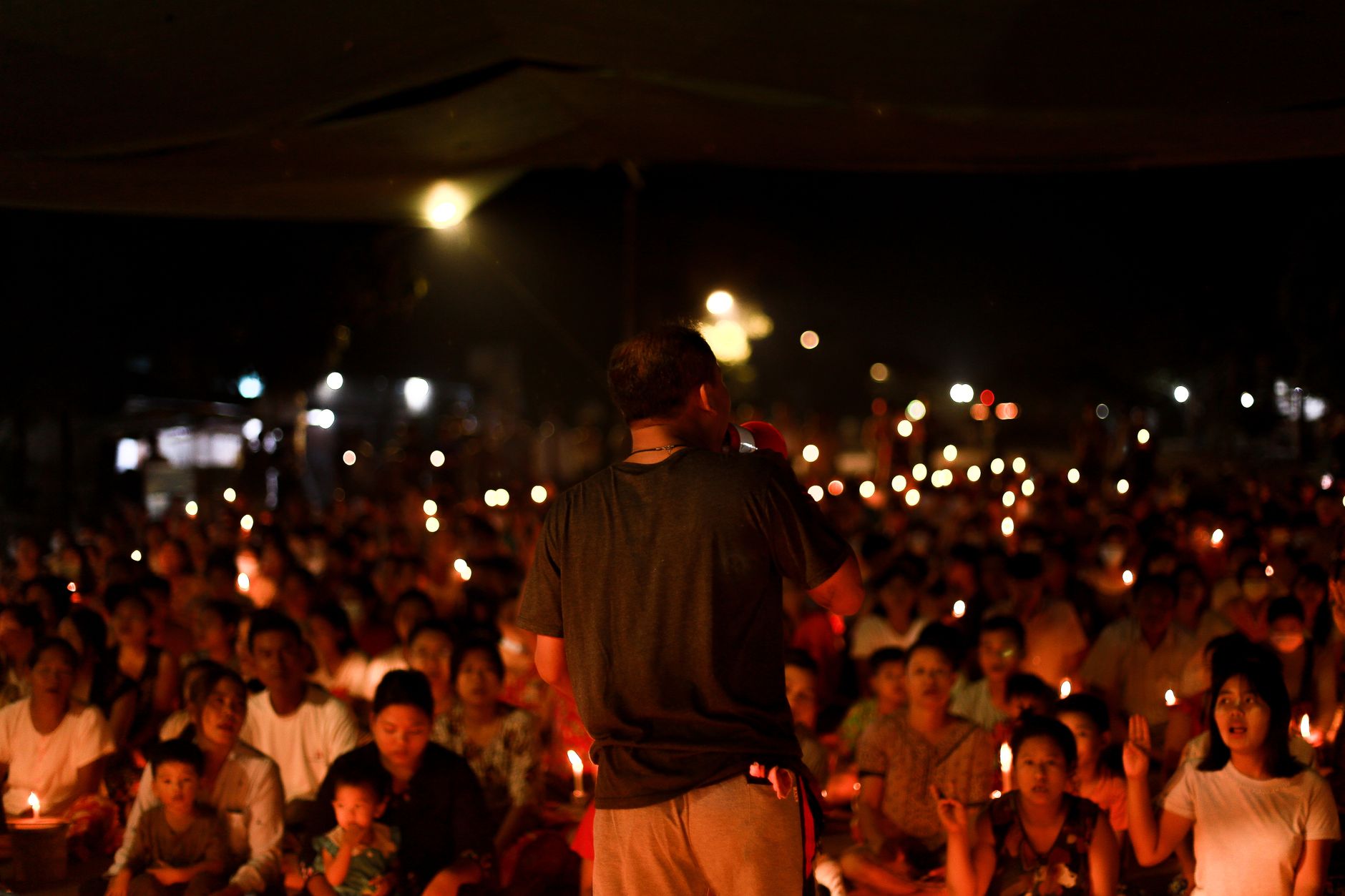
Dozens of civilians in Myanmar have been killed in recent military air strikes targeting a wedding celebration and a school, intensifying the humanitarian crisis amid the country’s ongoing conflict. These attacks highlight the brutal tactics employed by the military regime since its 2021 coup, deepening fears of widespread civilian suffering and raising urgent questions about international response and accountability.
Wedding Celebration Turned Tragedy in Southern Shan State
On a quiet Saturday afternoon in Moe Bye village, located in Myanmar’s southern Shan state, an air strike shattered a wedding gathering, killing at least 21 civilians and injuring over 35 others. The joyous occasion was abruptly transformed into a scene of devastation, with survivors and rescuers struggling amid the rubble. The targeted village lies in a region long affected by clashes between the military and various ethnic armed groups, but the attack’s timing and location underline the indiscriminate nature of the air strikes.
Witness accounts describe the chaos following the strike, with families mourning lost loved ones and local health facilities overwhelmed by the influx of wounded. This incident is emblematic of the broader pattern of violence that has engulfed Myanmar since the military seized power, where civilian gatherings and non-combatant spaces have increasingly become collateral or deliberate targets.
School Bombing in Magway Region Kills Students and Teachers
Just days earlier, another air strike struck a school in In Yon village, situated in the Magway region of central Myanmar. This attack claimed the lives of at least 20 civilians, including students, young monks, and teachers. The region is known for active resistance against the military regime, which has prompted frequent military operations. However, the targeting of an educational institution raises grave concerns about violations of international humanitarian law.
The National Unity Government (NUG), Myanmar’s exiled opposition body, condemned the attack, emphasizing that schools and places of worship must be protected during armed conflict. Yet, the military government has remained silent on these incidents, refusing to acknowledge or explain the air strikes.
Rakhine State Bombings and Ethnic Armed Conflict
The violence extended to western Myanmar’s Rakhine state on Saturday evening, when air strikes hit a residential area in Mrauk-U town. This locale is controlled by the Arakan Army (AA), one of Myanmar’s most formidable ethnic armed groups resisting military rule. Reports indicate that more than 10 civilians were killed and around 20 injured in the bombing.
Rakhine state has been a flashpoint for ethnic conflict for decades, with the military’s operations often exacerbating humanitarian crises. The recent strikes in Mrauk-U underscore the ongoing struggle between the military and ethnic forces, which continues to destabilize the region and imperil civilian populations.
The Broader Context: A Nation in Perpetual Conflict Since the 2021 Coup
Myanmar’s military coup in February 2021 ousted the democratically elected government led by Aung San Suu Kyi, plunging the country into a protracted civil war. Since then, military air strikes, ground offensives, and village burnings have become routine, particularly targeting areas held by the National Unity Government and ethnic armed organizations. The military’s strategy appears to involve punishing civilian populations suspected of supporting resistance groups, a tactic that has drawn widespread condemnation.
The international community has struggled to respond effectively. While some countries have imposed sanctions on Myanmar’s military leaders, including following the International Court of Justice’s (ICJ) landmark ruling that found Myanmar guilty of genocide against the Rohingya minority, tangible measures to halt ongoing violence remain limited. The ICJ’s 2023 verdict marked the first time a state was held accountable for genocide by an international court, yet Myanmar continues to deny the charges and reject compliance with the ruling.
Implications and the Urgent Need for International Action
The recent air strikes on civilian venues in Myanmar are not isolated incidents but part of a broader pattern of military aggression that threatens to escalate further. The targeting of weddings and schools signals a disregard for civilian life and international humanitarian norms, raising alarm bells about potential war crimes.
For the millions caught in the crossfire, these attacks deepen displacement, trauma, and insecurity. Humanitarian organizations face immense challenges accessing affected areas, complicating efforts to provide aid and medical care. The silence from Myanmar’s military government and the limited scope of international interventions risk enabling further atrocities.
As Myanmar’s crisis unfolds, the international community must grapple with the complexities of intervention in a fractured state. Beyond sanctions and legal rulings, there is a pressing need for coordinated diplomatic pressure, humanitarian support, and mechanisms to hold perpetrators accountable. Without decisive action, the cycle of violence will continue to devastate Myanmar’s civilian population, undermining prospects for peace and stability in the region.
Recommended reading
For more context, see related Peack News coverage and explainers linked below.