
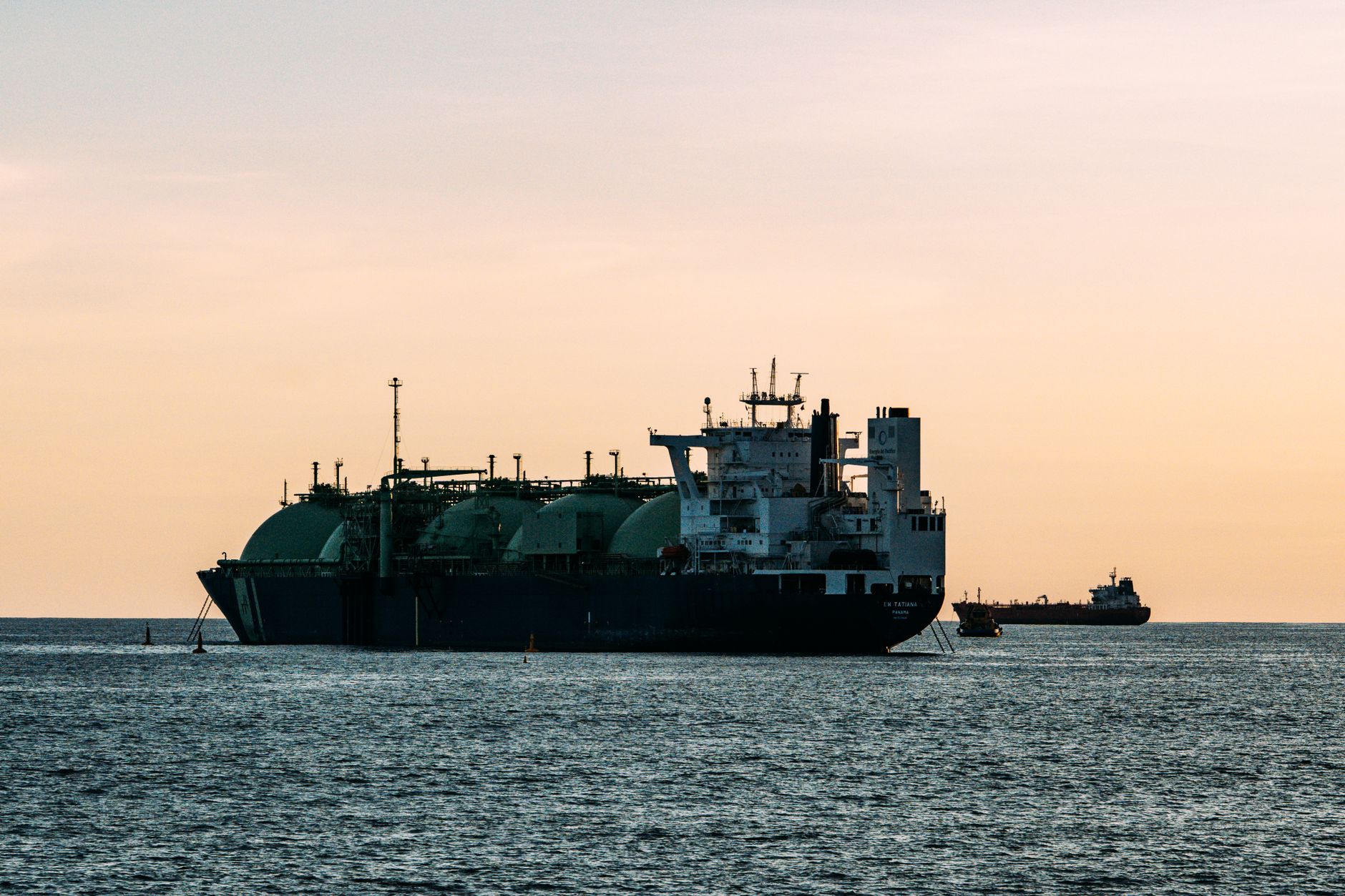
The security situation for oil tankers in the Middle East has reached its most perilous point since the Iran conflict erupted, analysts warn. Fresh attacks on vessels navigating alternative routes, particularly in the Red Sea, have compounded the already severe risks associated with the Strait of Hormuz, a critical chokepoint for global energy supplies. This escalation not only threatens the flow of oil but also intensifies geopolitical tensions that ripple through international markets.
Strait of Hormuz: From Bottleneck to Brink of Blockade
The Strait of Hormuz, a narrow passage between Iran and Oman, has long been a strategic artery for global oil exports, with roughly 20% of the world’s oil and gas transiting through it before the conflict began. Since hostilities escalated, tanker traffic has plummeted dramatically—from over 100 vessels daily to fewer than a dozen on some recent days. Many ships now “go dark,” turning off their tracking transponders to avoid being targeted amidst ongoing military confrontations.
This significant reduction has profound implications for global energy security. The strait’s intermittent closures and threats have forced shippers to seek alternative routes, but these alternatives are increasingly compromised, leaving the oil market vulnerable to supply shocks.
Red Sea Route Under Siege: The New Frontline
With the Strait of Hormuz becoming a hazardous passage, many tankers shifted to the Red Sea’s Bab el-Mandeb strait, a narrower channel between northeast Africa and the Arabian Peninsula. However, this route is now under intensified threat from Yemen’s Houthi militia, an Iranian-backed group that declared a blockade on Saudi ports along the Red Sea coast in late July.
Recent attacks on Saudi oil tankers in this corridor have escalated the risk profile for vessels operating there. According to maritime experts, the expanding high-risk zone now includes Saudi Arabian waters and parts of the Red Sea, complicating navigation and security measures for commercial shipping.
Despite the Houthi threat targeting primarily Saudi shipping, overall tanker traffic through Bab el-Mandeb has fallen to about half of pre-conflict levels. Some ships continue to operate but with heightened caution, often disabling their transponders to evade detection, further complicating maritime monitoring efforts.
Geopolitical Chessboard: Diplomacy and Uncertainty
Amid these tensions, Iran has denied reports of direct US talks to reopen the Strait of Hormuz but has acknowledged discussions with Oman aimed at securing the waterway. Analysts caution that meaningful progress requires cooperation involving the United States, Iran, and regional players, a complex diplomatic dance fraught with mistrust and strategic posturing.
Iran’s insistence that no restrictions will be lifted while US “aggression” continues underscores the fragility of any potential agreement. Experts warn that current negotiations may amount to a “false start” unless concessions are made by at least one side, prolonging the stalemate and perpetuating risks to shipping.
Market Impact and Industry Response
The heightened threats have sent ripples through global oil markets. After a brief optimism sparked by potential talks, oil prices have remained volatile, reflecting the underlying uncertainty. Brent crude briefly dropped over 7% following US President Trump’s announcement of canceled strikes against Iran, only to stabilize somewhat later.
Shipping companies are adapting cautiously. Major operators like Hapag-Lloyd continue to monitor the situation closely, adjusting their routes as necessary to mitigate risks. However, the redeployment of vessels and suspension of some services mean that even if the strait reopens, a return to normal cargo flows could take months.
Industry leaders emphasize the broadening scope of threats—from the Persian Gulf to the Red Sea—creating a labyrinthine security environment that challenges freedom of navigation and complicates logistical planning for the global energy trade.
Long-Term Consequences: Navigating an Unstable Future
The current crisis highlights the vulnerability of global energy supply chains to regional conflicts and proxy wars. The Middle East’s strategic waterways are lifelines for the world economy, and disruptions reverberate far beyond the region.
As the conflict persists, the shipping industry faces a stark choice: accept higher security risks and insurance costs or seek longer, costlier alternative routes that may not be viable. Meanwhile, energy-importing nations must grapple with the implications of supply uncertainty, potentially accelerating efforts to diversify sources and invest in alternative energy.
Ultimately, the tangled web of military confrontation, geopolitical rivalry, and economic interdependence in the Middle East continues to test the resilience of global maritime trade. Without a diplomatic breakthrough, the threat to oil tankers—and by extension, to energy markets—looks set to remain at historic highs.
Recommended reading
For more context, see related Peack News coverage and explainers linked below.
- EU urges tougher border controls following Ceuta migrant crossings
- Iran confirms talks with Oman but denies negotiations with US after Trump statement
- Two firefighting helicopters collide in Greece, killing two crew members; British pilot survives
- Explainer: Major Cybersecurity Threats in 2026
- Explainer: Global AI Companies Landscape