
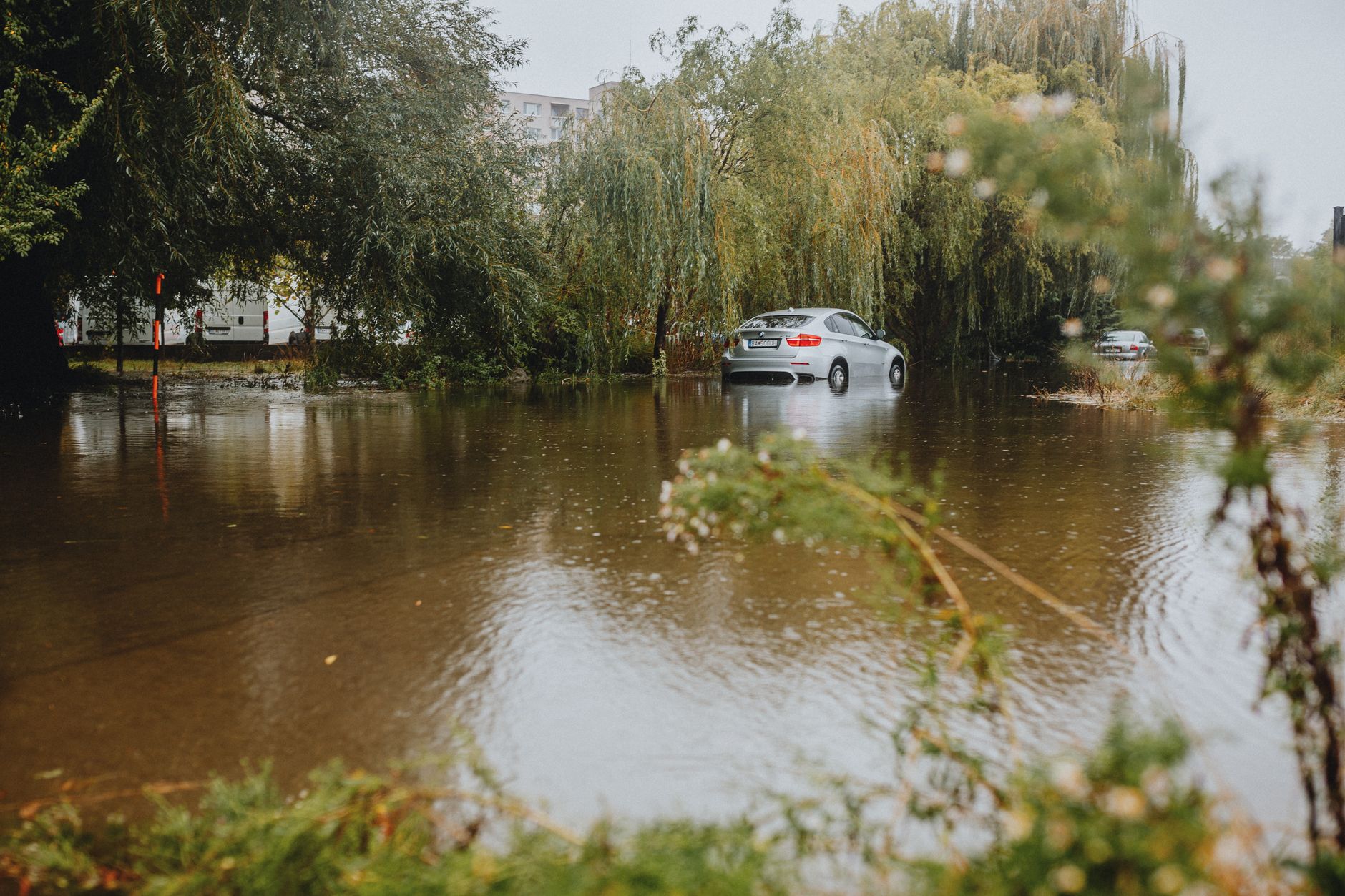
Central Texas is once again grappling with devastating floods along the Guadalupe River, the same area that witnessed one of the deadliest flash flood disasters in recent U.S. history just last summer. After days of relentless rain, floodwaters surged rapidly on Thursday, claiming at least one life and forcing dozens of rescues as communities struggled to cope with the rising waters. The haunting shadow of last year’s tragedy, which claimed more than 130 lives including 25 children at a summer camp, looms large over the region’s response and recovery.
Flashbacks to Last Summer’s Catastrophe
The Guadalupe River has become synonymous with disaster in this part of Texas. In July 2023, a sudden and massive flash flood swept through the area during the Fourth of July holiday weekend, killing 25 young girls and two counselors at Camp Mystic, an all-girls Christian summer camp near Kerrville. The floodwaters rose with terrifying speed—26 feet in less than an hour—overwhelming the camp and nearby communities.
That catastrophe was one of the deadliest flash floods in Texas history, with over 130 fatalities across the region. The tragedy not only devastated families but also deeply impacted the local communities and emergency services, highlighting vulnerabilities in flood preparedness and response strategies in a region prone to sudden, intense rainfall.
Camp Mystic, unable to recover from the trauma and financial fallout, closed permanently and filed for bankruptcy earlier this year. The scars remain vivid as residents and officials brace for another onslaught from the same river.
New Floodwaters Rekindle Urgency and Fear
This week’s flooding has again put the Guadalupe River at the center of a natural disaster. According to the National Weather Service (NWS) in San Antonio, the river rose an astonishing 32 feet in just four hours, a rate that rivals or exceeds last summer’s disaster. The NWS issued urgent warnings, describing the situation as “catastrophic flooding” and calling for immediate evacuation to higher ground.
Texas Governor Greg Abbott confirmed at least one death linked to the floods, though the victim was not connected to the camper population. Approximately 80 rescues have been conducted as emergency teams scrambled to save residents trapped by rapidly rising waters. The flooding has affected multiple counties, including Uvalde, Kerr, and Kendall, with images showing submerged cars, flooded homes, and wildlife struggling against the current.
Local residents like Carter Lopez from Boerne have become first responders in their own communities, assisting neighbors and strangers alike. Lopez described the floodwaters as worse than last year’s in his area, underscoring the unpredictable and relentless nature of these storms.
Challenges of Flood Preparedness in Central Texas
Repeated flooding along the Guadalupe River exposes the ongoing challenges in managing natural disasters in Central Texas. The region’s geography, characterized by narrow river valleys and steep terrain, makes it particularly susceptible to flash floods. When heavy rain falls upstream, water levels can rise rapidly downstream, giving residents little time to react.
Despite advances in forecasting and emergency communication, the rapid onset of these floods tests the limits of preparedness. Last year’s tragedy prompted calls for improved early warning systems and better evacuation plans, but the speed and scale of these events remain difficult to contain.
Moreover, the social and economic impacts are profound. Many homes and businesses in flood-prone areas face repeated damage, and the psychological toll on communities that have lost loved ones or seen their neighborhoods underwater is immense. The closure of Camp Mystic is a stark example of how a single event can ripple through a community’s fabric.
Looking Ahead: Climate Change and Flood Risk
Experts warn that the frequency and intensity of extreme weather events like these floods are likely to increase due to climate change. Warmer air holds more moisture, leading to heavier rainfall during storms. For Central Texas, this means the Guadalupe River and other waterways could see more frequent and severe flooding.
This evolving risk demands a reassessment of infrastructure, land use, and emergency management policies. Investments in flood mitigation—such as improved levees, floodplain restoration, and resilient building practices—are critical to reducing future casualties and property loss.
Community education and preparedness programs must also be strengthened to ensure residents recognize the signs of flash flooding and know how to respond swiftly. The tragic lessons from Camp Mystic and last year’s floods provide a painful but necessary impetus for change.
Communities Rally Amidst Crisis
In the midst of devastation, the resilience and solidarity of Central Texas communities shine through. Volunteers and first responders continue to work tirelessly, rescuing stranded individuals and providing relief. Local governments are coordinating evacuation efforts and emergency shelters to protect vulnerable populations.
Social media and real-time updates from the NWS and local authorities have become vital tools in disseminating life-saving information quickly. However, the ongoing threat underscores the need for sustained attention and resources to manage flood risks effectively.
As the waters continue to rise and recede, Central Texas faces another long road to recovery. The memories of those lost remain a somber reminder of nature’s power and the urgent necessity to adapt to an increasingly volatile climate.
Recommended reading
For more context, see related Peack News coverage and explainers linked below.