
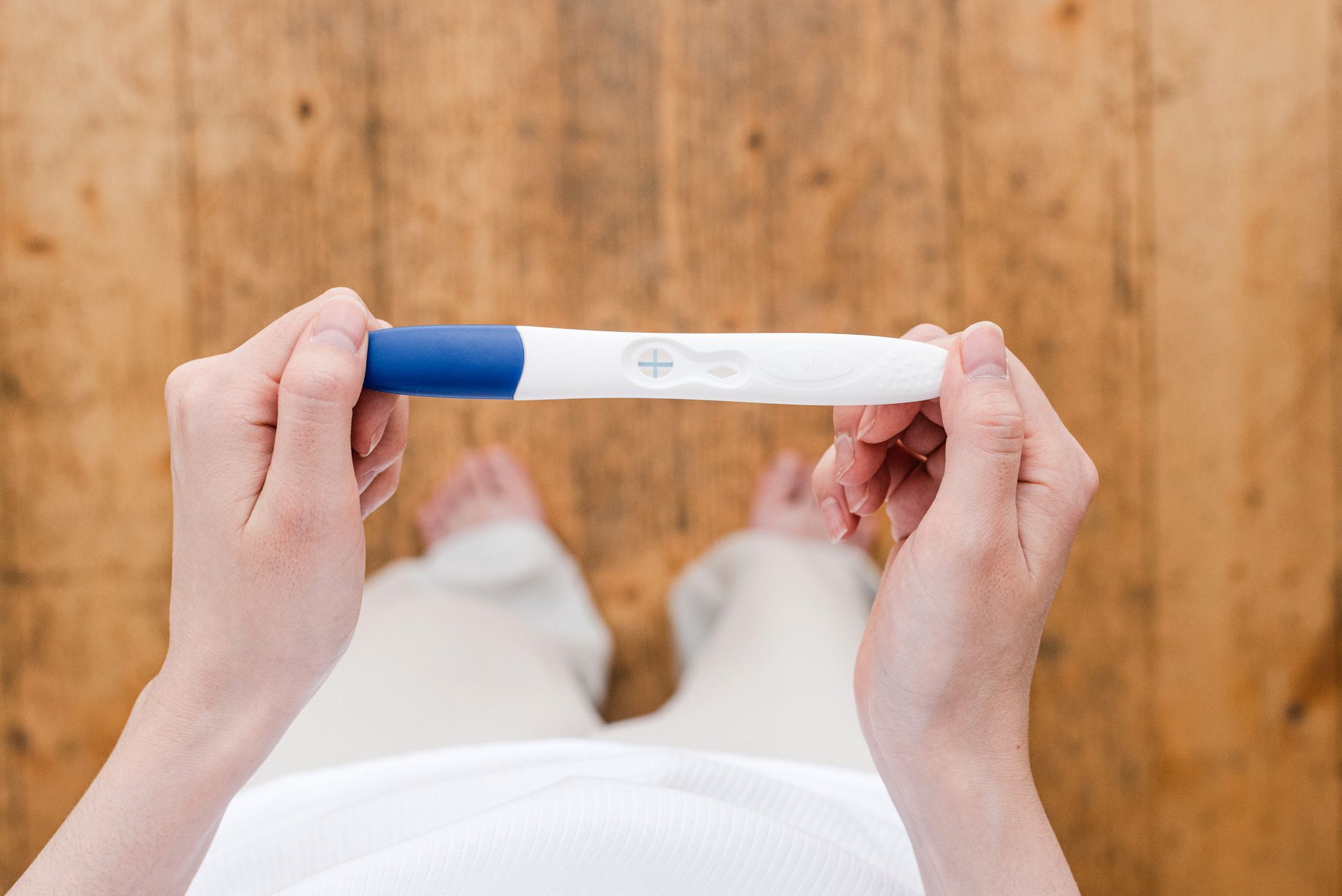
For many couples struggling with infertility, the journey to parenthood is fraught with emotional and physical challenges. Niamh Smyth’s decade-long battle with IVF treatments has been marked not only by heartbreaking losses but also by an often overlooked source of distress: the setting of her fertility care. Smyth’s experience attending a gynaecology appointment within a maternity unit has sparked a wider conversation about the emotional impact of hospital environments on patients undergoing fertility treatment in Northern Ireland.
The Emotional Toll of Fertility Care in Maternity Settings
Niamh Smyth and her husband Justyn have endured four rounds of IVF over more than ten years, facing three unsuccessful attempts and a miscarriage. When Smyth was finally called for a gynaecology appointment after nearly five years on a waiting list, she was dismayed to learn that her appointment was located inside the maternity unit of Ulster Hospital. For someone grappling with fertility struggles, being surrounded by expectant mothers and families celebrating new life can feel like a cruel juxtaposition.
“Whenever I heard that, my heart just dropped,” Smyth recalled. The experience of sitting alongside pregnant women and new parents while receiving difficult news about her own fertility added an emotional weight to an already challenging day. Smyth’s story highlights how the physical location of care can inadvertently amplify feelings of grief, isolation, and anxiety for patients.
Systemic Challenges and Calls for Change
Smyth’s decision to share her experience publicly resonated with many others facing similar challenges. The responses she received suggest that this is not an isolated issue but a systemic problem across several health trusts in Northern Ireland. While some trusts, such as Belfast and Southern Trusts, provide fertility services in standalone clinics or dedicated facilities, others still locate gynaecology and fertility appointments within or adjacent to maternity units.
The South Eastern Trust, where Smyth was treated, has acknowledged the problem and expressed intentions to relocate outpatient gynaecology services away from the maternity unit. However, for many patients, these changes cannot come soon enough.
Political Voices Amplify the Call for Compassionate Care
Local politicians with personal experience of fertility struggles have voiced support for Smyth’s campaign. Sinn Féin MLA Órlaithí Flynn, who has endured miscarriage herself, spoke about the heightened emotional sensitivity patients experience when attending fertility appointments in maternity settings. “Your senses are totally heightened… and it can hurt,” she said, emphasizing that the environment in which care is delivered should be an integral consideration in healthcare planning.
Flynn advocates for the Department of Health’s ‘Women’s Health Strategy’ to address these concerns explicitly, ensuring that the design of women’s healthcare services accounts for emotional as well as clinical needs.
Independent MLA Claire Sugden echoed this sentiment, arguing that women’s healthcare must move beyond a narrow focus on physical treatment to encompass the emotional and psychological support patients require. Sugden criticized the current system for neglecting the human element of care and called for the necessary investment to separate fertility and maternity services physically.
Balancing Resources and Patient Wellbeing
The debate over the location of fertility services raises broader questions about resource allocation and healthcare design. While reconfiguring services to create separate fertility clinics might require additional funding and logistical planning, advocates argue that the benefits to patient wellbeing justify the investment.
Health trusts in Northern Ireland have acknowledged the need to improve patient experiences, with some exploring options to relocate or redesign services. However, the pace of change remains slow, and many patients continue to endure emotionally taxing environments.
Looking Ahead: Towards More Sensitive Fertility Care
Niamh Smyth’s experience serves as a poignant reminder that healthcare is not only about treating physical conditions but also about nurturing the emotional wellbeing of patients. Fertility treatment is an intensely personal and often painful journey, and the environments in which care is delivered can significantly influence patients’ mental health.
Separating fertility and gynaecology services from maternity units could help reduce the emotional burden on patients, creating spaces that acknowledge the unique challenges faced by those struggling to conceive. As Northern Ireland’s health system considers reforms within the framework of the Women’s Health Strategy, integrating patient-centered design principles will be crucial.
For Smyth, sharing her story is a way to advocate for those who might not have a voice. “You’re going through probably one of the hardest things you can go through. It just adds more stress and more pressure at a time when you really don’t need it,” she said. Her call is clear: healthcare services must evolve to meet the full spectrum of women’s needs, respecting both body and heart.
Recommended reading
For more context, see related Peack News coverage and explainers linked below.