
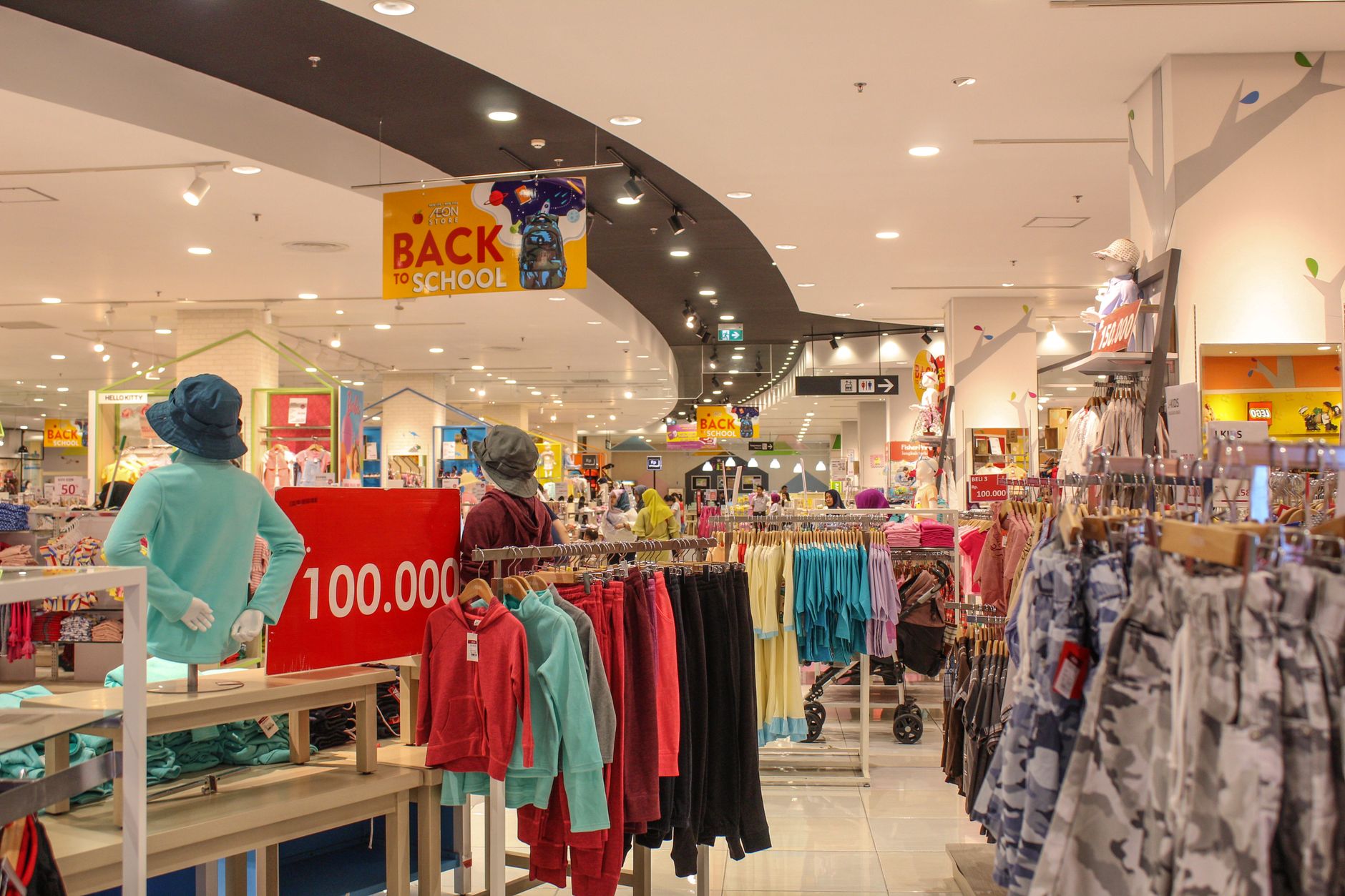
After nearly two centuries as a cornerstone of Australian retail, David Jones, the nation’s oldest department store, has entered voluntary administration, casting uncertainty over its future and thousands of jobs. The 188-year-old retailer, affectionately known as DJs, has struggled to stay afloat amid shifting consumer habits, rising costs, and an outdated retail model. While its 38 stores and online platform remain operational for now, the move signals a profound turning point in Australia’s retail landscape.
From Iconic Luxury to Financial Struggles
David Jones has long been synonymous with luxury and tradition in Australian shopping culture. Its signature black-and-white houndstooth branding and flagship stores in Sydney and Melbourne represented more than just retail spaces—they were destinations. For generations, families visited the department store not only for premium goods but also for the experience, especially during festive seasons when the elaborate Christmas window displays drew visitors from far and wide.
Yet, behind the nostalgic veneer, David Jones has faced mounting financial pressures. The rise of online shopping, changing consumer preferences, and the increasing dominance of international luxury brands have eroded its market share. Suburban stores, once bustling hubs, have struggled to maintain the allure and excitement that once defined the brand. The contrast between the grand city stores and the more mundane suburban outlets highlights the challenge of maintaining a consistent brand experience across diverse locations.
Voluntary Administration: A Breather or the Beginning of the End?
Entering voluntary administration allows David Jones to pause and reassess its operations under the guidance of receivers FTI Consulting. This legal process is designed to offer the company “breathing space” to restructure debts and operations without immediate pressure from creditors. However, it also underscores the severity of the retailer’s predicament.
The decision came shortly after Westfield owner Scentre Group announced that David Jones had failed to pay its October rent, breaching tenancy agreements at 17 Westfield shopping centres. This breach reflects the tough retail environment, where rising operational costs and supply chain disruptions have squeezed margins.
Receivers have acknowledged these challenges, citing an outdated retail footprint and the broader economic climate as key factors. The administrators’ task will be to find a viable path forward, whether through downsizing, rebranding, or potentially selling parts of the business.
What This Means for Employees and Customers
David Jones employs approximately 6,000 people across Australia. The administration process inevitably puts many of these jobs at risk, creating anxiety for staff and suppliers alike. While the stores continue to operate, uncertainty looms over long-term employment and service continuity.
For customers, the immediate impact may be minimal, with physical and online stores still open. However, the potential restructuring could lead to store closures, reduced product ranges, or shifts in service quality. The loss of David Jones as a retail institution would also mean the disappearance of a cultural touchstone that has shaped Australian shopping experiences for nearly two centuries.
The Decline of the Department Store Model in Australia
David Jones’ collapse is emblematic of a broader decline in the department store format, both in Australia and globally. Once the epitome of glamour and luxury shopping—akin to London’s Harrods or New York’s Saks Fifth Avenue—department stores have struggled to compete with specialized boutiques, online retailers, and fast fashion chains.
Marketing experts note that the traditional department store’s appeal has waned as consumer expectations evolve. The desire for personalized, convenient, and digitally integrated shopping experiences has challenged large, sprawling retail spaces. Moreover, the economic pressures of maintaining extensive physical footprints in prime locations have become unsustainable for many legacy brands.
David Jones’ story serves as a cautionary tale about the need for retail innovation and adaptation. Without embracing new technologies, reimagining customer engagement, and streamlining operations, even the most storied brands risk obsolescence.
A Storied Past, an Uncertain Future
David Jones’ history is woven into Australia’s social fabric. In 1954, Queen Elizabeth II dined on the seventh floor of its Elizabeth Street Sydney store during her first visit—a testament to the store’s prestige. For decades, it was more than a retailer; it was a symbol of aspiration and celebration.
Now, as the company navigates administration, the future of David Jones hangs in the balance. Whether it can reinvent itself or will become a relic of retail’s past remains to be seen. What is clear is that the era of the traditional department store in Australia is at a crossroads, with David Jones’ fate serving as a poignant marker of change.
Recommended reading
For more context, see related Peack News coverage and explainers linked below.
- Kellogg’s Rice Krispies no longer contain rice grains due to weather changes
- Poundland supplier faces millions in losses if retailer collapses
- UK and EU reach draft agreement to remove Brexit food export red tape
- Explainer: Major Cybersecurity Threats in 2026
- Explainer: Global AI Companies Landscape