
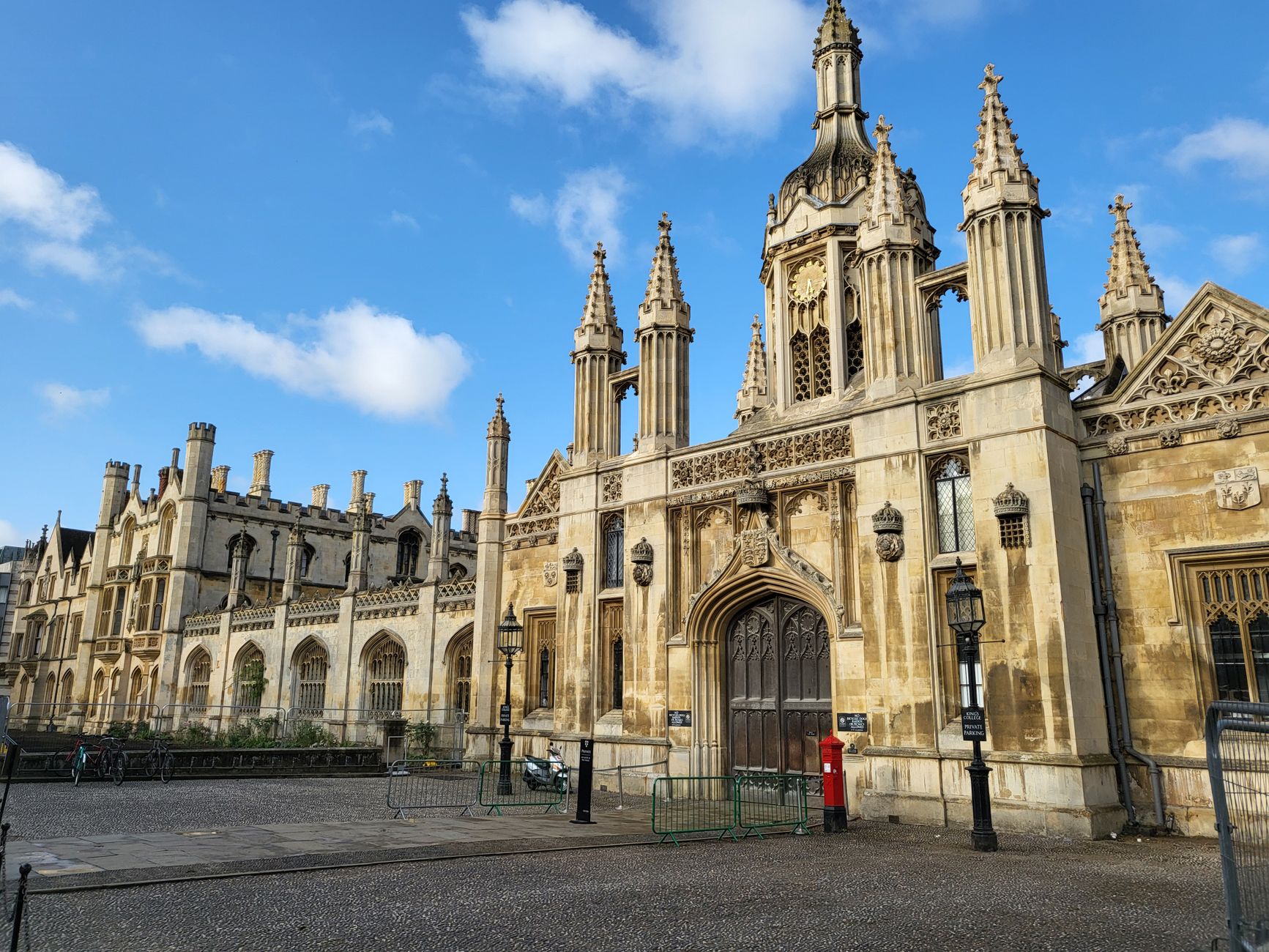
The University of Cambridge has taken a significant step in addressing the tragic death of Professor Jason Arday by appointing Nazir Afzal, a renowned former chief crown prosecutor, to lead the initial stage of an independent review. This move signals the university’s commitment to a thorough and transparent examination of the circumstances surrounding Arday’s death and the institutional support provided in his final days.
Nazir Afzal’s Appointment Brings Legal Gravitas to the Arday Review
Nazir Afzal’s selection to head the first part of the review underscores the seriousness with which Cambridge is approaching this sensitive inquiry. Afzal, who served as chief crown prosecutor for north-west England and is currently chancellor of the University of Manchester, is known for his rigorous investigations into complex and sensitive issues, including his work exposing systemic abuses such as child exploitation and institutional racism. His experience in leading a 2022 independent review into the London Fire Brigade’s culture of misogyny and bullying further equips him to handle the delicate balance of legal scrutiny and human empathy required for this task.
Afzal’s role will focus sharply on the immediate period before Arday’s death, scrutinizing the nature and adequacy of support, interventions, and protections offered to the professor during a time of intense external criticism and personal distress. His mandate is to listen carefully, ask difficult questions, and assess whether more could have been done to prevent this tragic outcome.
The Context Behind the Tragedy: Academic Pressure and Public Scrutiny
Jason Arday’s death on 14 August, just days after his resignation from Cambridge amid allegations of plagiarism and inconsistencies in his academic record, has sent shockwaves through the academic community. Arday was a trailblazer, appointed in 2023 as Cambridge’s youngest ever Black professor, specializing in sociology of education. His rapid rise was seen as a landmark moment for diversity and representation in British academia.
The allegations against Arday, which he denied, led to an investigation into his academic qualifications by the university. The intense media and public scrutiny that followed appeared to have a devastating impact, culminating in his sudden resignation and subsequent death at his home in south London. Cambridge’s vice-chancellor, Professor Deborah Prentice, acknowledged the “profound sadness and reflection” that has gripped the university since these events unfolded.
University of Cambridge’s Two-Stage Review: Beyond Immediate Support
The review has been structured in two distinct phases. Afzal’s investigation will concentrate on the immediate circumstances surrounding Arday’s death, particularly the support mechanisms provided during the critical period before his passing. This includes examining how the university managed the intense external pressures he faced and whether institutional interventions were timely and sufficient.
The second phase, to be led by an independent external chair and advised by a panel including individuals with lived experience, will explore broader systemic issues. This will encompass Cambridge’s processes for recruiting senior academics, its handling of research misconduct allegations, and the support structures available to staff under extraordinary public and media scrutiny.
By dividing the review into these phases, Cambridge aims to address both the personal tragedy and the institutional context that may have contributed to it. The university has pledged clear accountability and the implementation of any recommendations arising from the review, signaling a commitment to meaningful reform.
National Attention and Regulatory Oversight
The case has attracted attention beyond Cambridge, with Jacqui Smith, the Minister for Higher Education, publicly stating that she is closely monitoring the university’s response. The Office for Students, England’s higher education regulator, holds the authority to investigate further if necessary, highlighting the potential for wider implications across the sector.
This scrutiny reflects growing concerns about the pressures faced by academics, particularly those from underrepresented backgrounds, and the adequacy of university support systems in managing allegations and safeguarding mental health. The Arday case has become a focal point for debates on academic integrity, institutional responsibility, and the human cost of public controversy.
Implications for Academia and Institutional Culture
The appointment of Nazir Afzal to lead the initial review phase sends a clear message that Cambridge is prepared to confront difficult truths. His legal and ethical expertise will be crucial in navigating the complex interplay between individual accountability and institutional duty of care.
More broadly, this review could set a precedent for how universities handle crises involving senior academics under intense scrutiny. It raises urgent questions about the balance between upholding academic standards and providing compassionate support to individuals facing allegations that can irreparably damage careers and well-being.
As the academic world awaits the findings of Afzal’s investigation, there is hope that the review will not only clarify the circumstances of Professor Arday’s death but also catalyze reforms that strengthen protections for scholars and foster a more supportive and transparent academic environment.
Recommended reading
For more context, see related Peack News coverage and explainers linked below.