
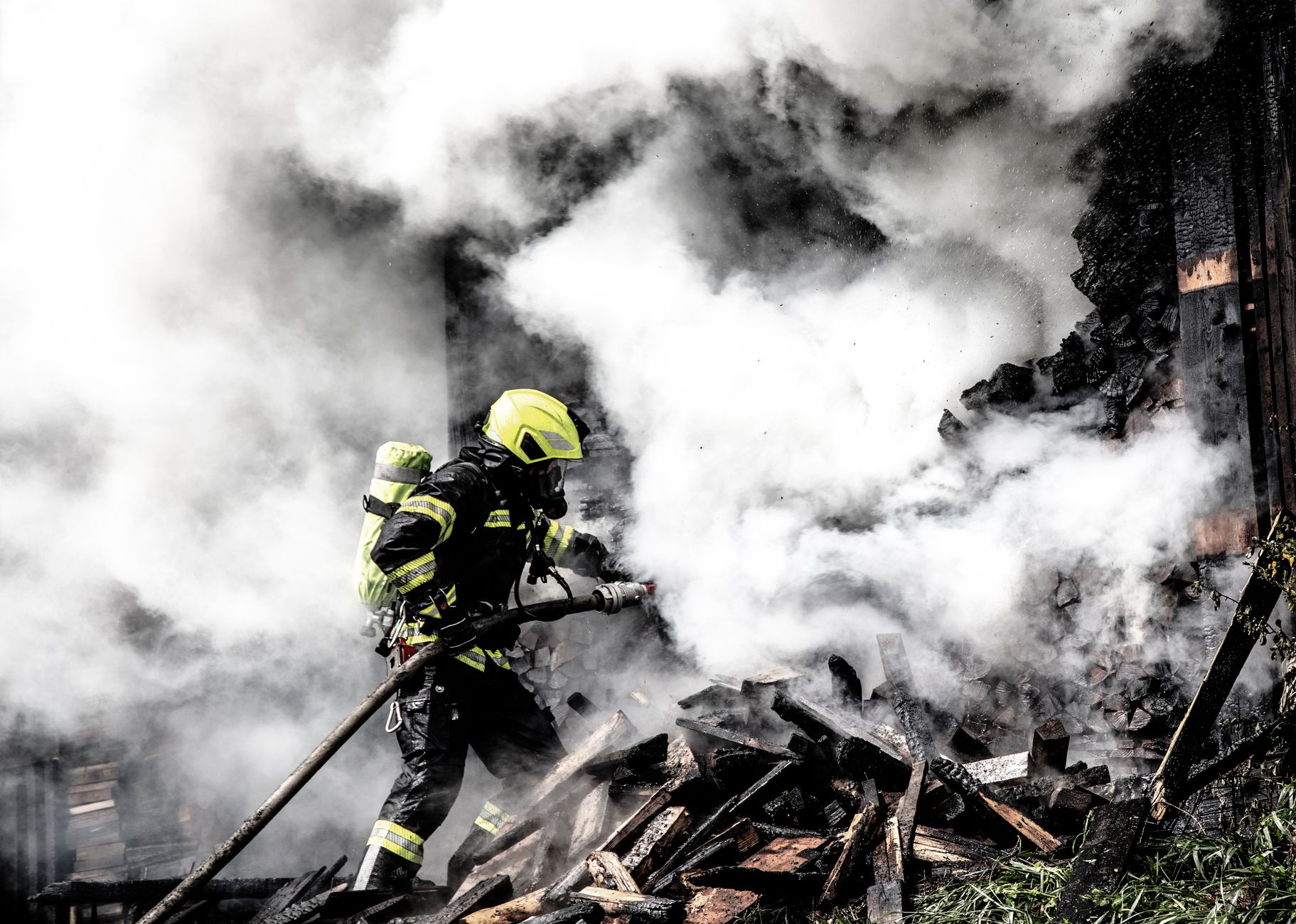
As wildfires rage with increasing intensity across Europe and beyond, the question arises: can technology fully replace firefighters in battling these devastating blazes? While artificial intelligence and drones are transforming how fires are detected and monitored, the frontline battle against flames remains largely a human endeavor. The recent wildfire crisis in France’s Gironde region highlights both the promise and the limits of technological innovation in firefighting.
AI-Powered Early Detection: A Game Changer in Wildfire Response
One of the most significant technological advances in wildfire management is the use of AI-assisted camera systems to detect fires at their earliest stages. In regions like Gironde, where vast forests and agricultural land are vulnerable to fire, these systems have largely replaced traditional human lookouts perched in watch towers. Unlike human observers, AI cameras can continuously scan large areas—up to 20 kilometers away—and distinguish between smoke and other visual disturbances such as dust or fog with remarkable accuracy.
This early detection capability is more than a convenience; it is critical to controlling fires before they escalate. FireTracking, a French start-up, has developed a system that not only detects fires but also provides firefighters with real-time video and predictive maps showing how the fire might spread given current weather conditions. Firefighters report that this technology can alert them to fires up to 15 minutes before any phone call from the public, a difference that can mean containing a blaze to a few hectares rather than hundreds.
Drones and Robotics: Emerging Tools but Not Replacements
While drones have revolutionized surveillance and reconnaissance in military conflicts, their role in firefighting remains supplementary rather than substitutive. In France, drones are currently being tested for sea rescue missions, delivering lifebuoys and survival kits, but no drone technology has yet matured to the point of independently combating wildfires on the ground.
Some companies are experimenting with heavy-lift drones capable of carrying large quantities of water or fire retardant. For example, a French start-up is developing a petrol-powered drone that could hover over fires and spray up to 1.2 tonnes of water. Others are working on drones that deploy fire-suppressing grenades that release chemical powders upon detecting extreme heat, aiming to extinguish flames autonomously at their inception.
Despite these innovations, experts emphasize that drones cannot replace the physical work of firefighters. Aircraft like Canadairs can drop thousands of liters of water or retardant to reduce fire intensity, but ground crews remain essential to extinguish hotspots, create firebreaks, and protect communities.
The Enduring Necessity of Human Firefighters
Firefighter Guillaume Millet, with over two decades of experience in Gironde, underscores the indispensable role of humans in wildfire combat. “Technology helps us detect fires faster and assess risks, but it does not put out fires,” he explains. The grueling work of dragging hoses through rugged terrain, shoveling dirt to smother flames, and coordinating on-the-ground tactics cannot yet be replicated by machines.
This reality reflects a centuries-old truth; since the establishment of the first modern fire brigades in the 17th century Netherlands, firefighting has relied heavily on human courage, adaptability, and physical effort. Modern technology enhances these capabilities but has not supplanted them.
Future Prospects: Integrating Technology and Human Expertise
Looking ahead, the integration of AI, drones, and sensor networks promises to make firefighting more efficient and safer. Programs like France’s Condor are experimenting with solar-powered drones conducting continuous patrols, while sensor arrays in forests can detect gases emitted before flames appear, potentially enabling even earlier warnings.
Moreover, drones equipped with advanced sensors can provide firefighters with crucial data on smoke density, wind shifts, and structural hazards, allowing for better-informed decisions and minimizing risks to personnel. These technological tools could reduce the number of injuries and fatalities among firefighters, who currently face perilous conditions.
However, fully autonomous firefighting remains a distant prospect. The unpredictable nature of wildfires, the complexity of terrain, and the necessity of nuanced human judgment mean that technology will remain a powerful aid rather than a replacement.
Conclusion: Technology as an Ally, Not a Substitute
The escalating threat of wildfires amid climate change demands innovative solutions, and technology is undoubtedly reshaping how we detect and respond to these disasters. AI-enhanced surveillance, predictive modeling, and drone reconnaissance are revolutionizing early warning systems and operational safety.
Yet, the core of wildfire suppression—the boots on the ground, the hoses in hand, and the human decision-making—remains irreplaceable. As France’s recent wildfire crisis starkly illustrates, technology can amplify firefighters’ effectiveness and protect lives, but it cannot yet take their place in the frontline struggle against nature’s fury.
Recommended reading
For more context, see related Peack News coverage and explainers linked below.
- AI employed advanced autonomy and deception to fool people in safety test
- Challenges in Implementing Payment Models for AI Tokenomics
- Snapchat joins popular platforms in effort to combat AI-generated low-quality content
- Explainer: Complete Guide to AI Regulation
- Explainer: Global AI Companies Landscape