
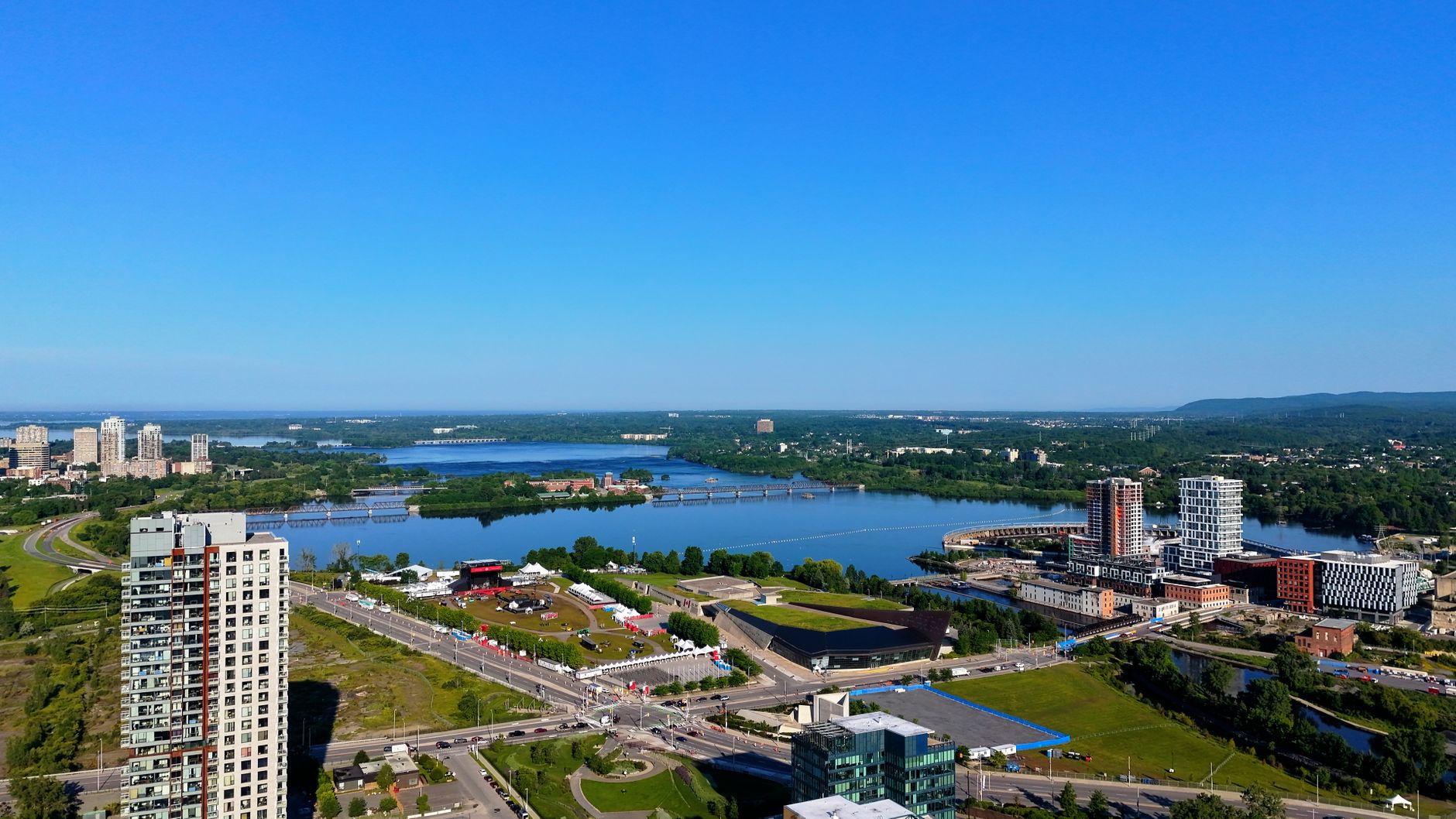
In a bold assertion of sovereignty, Ontario Premier Doug Ford has unveiled a massive new sign along Canada’s Lake Ontario shoreline emblazoned with the words: “Lake Ontario. Now and Always.” This move directly challenges a controversial executive order from former US President Donald Trump, who attempted to rename the binational lake “Lake America.” The dispute is more than a symbolic spat; it reflects growing tensions over trade, national identity, and the limits of unilateral actions on shared natural resources.
Canada’s Defiant Message Amid Rising Cross-Border Frictions
The installation of the large Lake Ontario sign is a clear statement from Canada that it will not acquiesce to unilateral US attempts to rewrite geography and history. Ford’s declaration that “Long before President Trump, this lake was called Lake Ontario. Long after President Trump is gone, it will still be called Lake Ontario” captures the defiance felt across Canada in response to the renaming order.
This confrontation unfolded alongside a worsening trade dispute, with the US imposing 50% tariffs on C$28 billion worth of Canadian goods after stalled negotiations. Canada’s pledge to implement “dollar for dollar” counter-tariffs next month has only heightened tensions. The renaming effort, coupled with provocative AI-generated videos posted by Trump depicting the replacement of Lake Ontario signs with “Lake America” and Canadian geese sporting Trump’s signature hairstyle, has been widely dismissed in Canada as political posturing.
Historical and Cultural Roots of Lake Ontario’s Name
Lake Ontario’s name is deeply rooted in indigenous languages, reflecting the rich heritage of the region long before modern borders existed. The Great Lakes—Ontario, Huron, Michigan, and Erie—derive their names from indigenous words, while Lake Superior’s name originates from an anglicized French term. This shared history underlines the complexity of any unilateral renaming attempt.
Lake Ontario, the smallest of the Great Lakes, straddles the border between the Canadian province of Ontario and the US state of New York, making it a shared resource and symbol. The names and stewardship of such natural landmarks are traditionally subjects of bilateral agreement, not executive fiat. Canada’s refusal to accept the new US designation underscores the importance of respecting these established conventions.
Implications for International Relations and Shared Resources
Trump’s executive order directs the US Department of the Interior to update the Geographic Names Information Service within 30 days, yet this change holds no legal weight beyond US borders. Canada and international law reject the idea that one country can unilaterally rename a shared body of water. This principle was previously tested when Trump renamed the Gulf of Mexico as the Gulf of America—a move Mexico vehemently opposed, sparking legal disputes and forcing platforms like Google to display dual names depending on the user’s location.
The Lake Ontario episode highlights the limits of American power in a world of interconnected sovereignties and shared ecosystems. While the US may alter domestic maps and databases, such actions risk diplomatic friction and undermine cooperative management of transboundary resources. The Canadian government’s decision to install a permanent, visible reminder of the lake’s rightful name is both a symbolic and practical assertion of its rights.
What This Means for Canada-US Relations Going Forward
Beyond the immediate headline-grabbing conflict, the Lake Ontario naming dispute signals deeper challenges in Canada-US relations under the Trump administration’s legacy. Trade disputes, tariff wars, and nationalist rhetoric have frayed ties that were once considered stable and cooperative. The lake name controversy encapsulates broader questions about respect, mutual recognition, and the balance of power between neighbors.
For Canadians, the sign is a reassurance of identity and a reminder that their history and sovereignty will not be overwritten by political whims south of the border. For the US, it is a cautionary tale about the diplomatic costs of unilateralism in a world where cooperation over shared resources is essential.
As the standoff continues, the Lake Ontario sign stands not just as a geographical marker but as a testament to the enduring complexities of cross-border relationships and the importance of honoring shared heritage in the face of political turbulence.
Recommended reading
For more context, see related Peack News coverage and explainers linked below.