
As Morocco heads to the polls in a parliamentary election marked by intense youth disillusionment, three unlikely forces—migration from Ceuta, the nation’s football fervor, and the contentious relationship with Israel—are shaping the political discourse in profound ways. These elements reveal the complex intersection of social frustration, national pride, and geopolitical tensions influencing Morocco’s evolving democratic landscape.
Ceuta Migration Crisis: A Stark Reflection of Youth Desperation
The dramatic influx of some 60,000 migrants, including many young Moroccans, who risked their lives swimming to the Spanish enclave of Ceuta this summer has become a vivid symbol of the economic and social challenges facing Morocco’s youth. The tragedy, which claimed at least 100 lives, underscores the desperation that drives many to seek opportunities beyond Morocco’s borders.
The surge was not merely a migration event but a political flashpoint. It exposed the deep unemployment and lack of prospects that fuel discontent among young Moroccans. With youth unemployment estimated at over 37%, the migration wave is a stark indicator of systemic failures in job creation and economic inclusion.
Young activists like Hamza El Kharroubi, who experienced the protests and now runs for parliament with a green party, see the Ceuta crisis as a call to action. His campaign focuses on justice for the families of those lost and economic reforms, highlighting how migration and domestic policy are intertwined in Morocco’s political future.
Football: More Than a Game in Morocco’s Political Arena
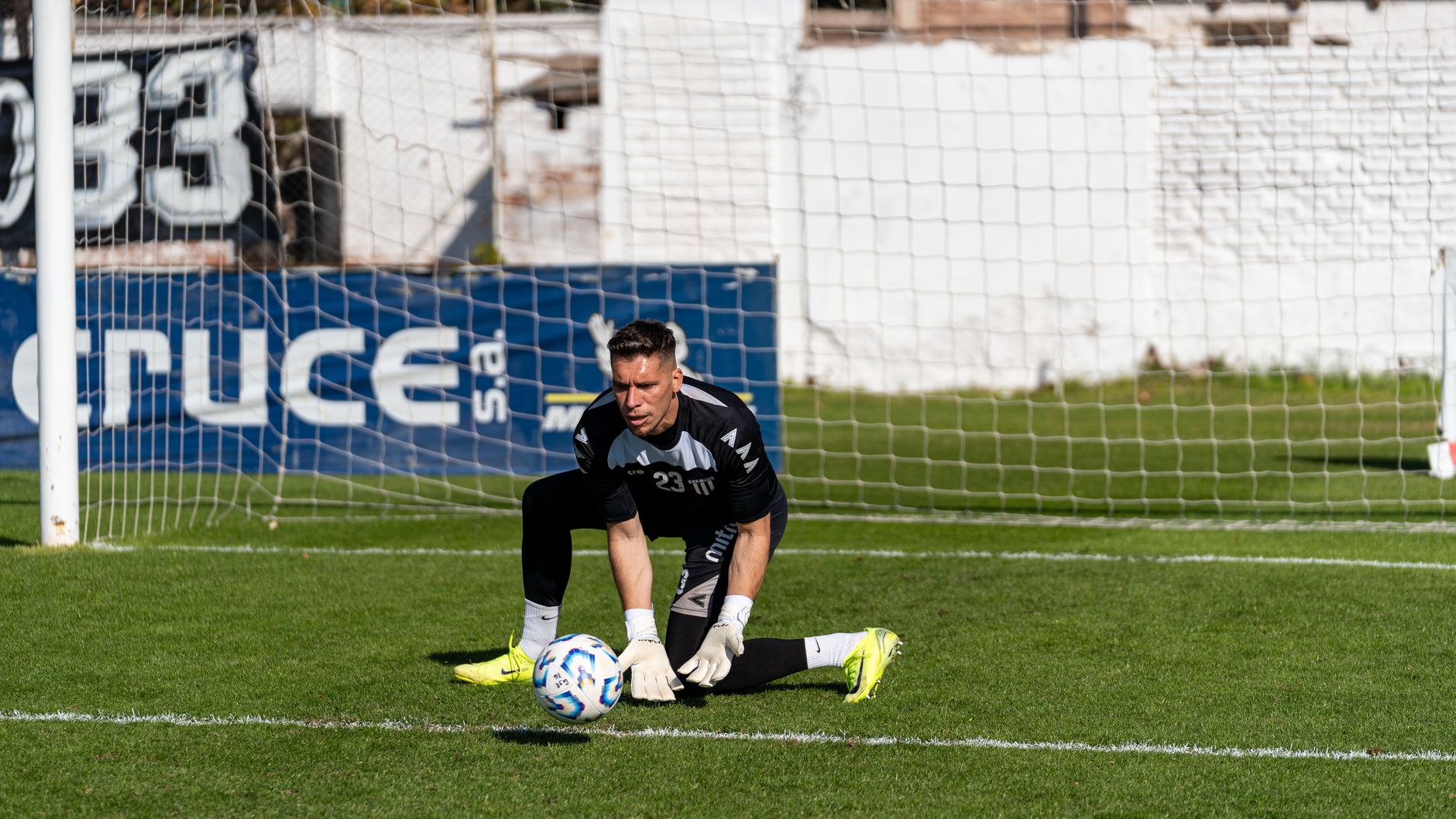
Football’s role in Morocco’s election is more than cultural; it has become a potent political tool. The rise of Fouzi Lekjaa, head of the Royal Moroccan Football Federation and a senior figure in the finance ministry, exemplifies this trend. His entry into politics with the centrist Party of Authenticity and Modernity (PAM) has energized a football-mad electorate with viral slogans echoing the national team’s historic World Cup success.
Leveraging the collective pride from Morocco’s 2022 World Cup semi-final run, Lekjaa’s campaign promises to elevate education and healthcare to match the nation’s football ranking. This strategy taps into the emotional resonance of football as a unifying national symbol, offering a hopeful narrative amid widespread political cynicism.
Football’s politicization reflects a broader effort by parties like PAM to connect with younger voters through popular culture and national identity, contrasting with the more traditional economic and ideological appeals of other parties.
Israel Normalization: A Divisive Issue Rekindling Political and Social Tensions
Morocco’s normalization of diplomatic ties with Israel in 2020 remains a contentious issue, deeply influencing election rhetoric and public sentiment. The Islamist Justice and Development Party (PJD), seeking a political comeback, has centered its campaign on reversing this normalization, framing it as a betrayal of Palestinian solidarity and Moroccan values.
Mass protests erupted during the Gaza conflict, with tens of thousands demonstrating against Israeli diplomatic presence and policies. The closure of the Israeli liaison office and suspension of flights highlighted the intensity of public opposition. Yet, recent diplomatic moves to open full embassies signal a complex balancing act between geopolitical pragmatism and domestic political pressures.
The PJD’s anti-Israel stance resonates with a significant segment of the population, particularly younger voters who view the issue through the lens of justice and identity. This dynamic adds another layer of complexity to Morocco’s political contest, intertwining foreign policy with domestic electoral strategies.
Youth Disillusionment and the Challenge of Genuine Representation
Despite the vibrant campaign themes, many young Moroccans remain skeptical about the political system’s ability to deliver meaningful change. With only a small fraction of registered voters aged 18 to 24, youth engagement in formal politics is limited, reflecting a broader sense of alienation.
Voices like environmental activist Siham Azeroual express frustration with what they see as a political “circus” disconnected from their realities. Meanwhile, diaspora communities, such as those in Canada, have become hubs for more vocal and fearless activism, though their influence on domestic politics is constrained.
Experts caution that election promises, such as the pledge to create one million jobs by 2031, often lack the structural backing to be realized. The political competition largely revolves around implementing policies aligned with the monarchy’s vision rather than presenting alternative models, limiting the scope for transformative change.
Nonetheless, some young candidates and activists are choosing to engage within the system, aiming to build a foundation for future influence. Their efforts suggest a gradual shift towards greater youth representation, even if immediate breakthroughs remain elusive.
The Road Ahead: Navigating Complex Realities in Morocco’s Political Landscape
Morocco’s upcoming election encapsulates the tensions between tradition and change, hope and disillusionment, local struggles and global geopolitics. The interplay of the Ceuta migration crisis, football-inspired nationalism, and the Israel normalization debate reveals a society grappling with its identity and future direction.
For Morocco’s youth, the election is both a moment of frustration and opportunity. While many remain skeptical of established parties, the emergence of new voices and the use of popular culture and international issues to galvanize support indicate evolving political dynamics.
Ultimately, the election results will offer a snapshot of how Morocco balances these competing forces and whether it can translate youthful energy and complex social realities into lasting political progress.
Recommended reading
For more context, see related Peack News coverage and explainers linked below.