
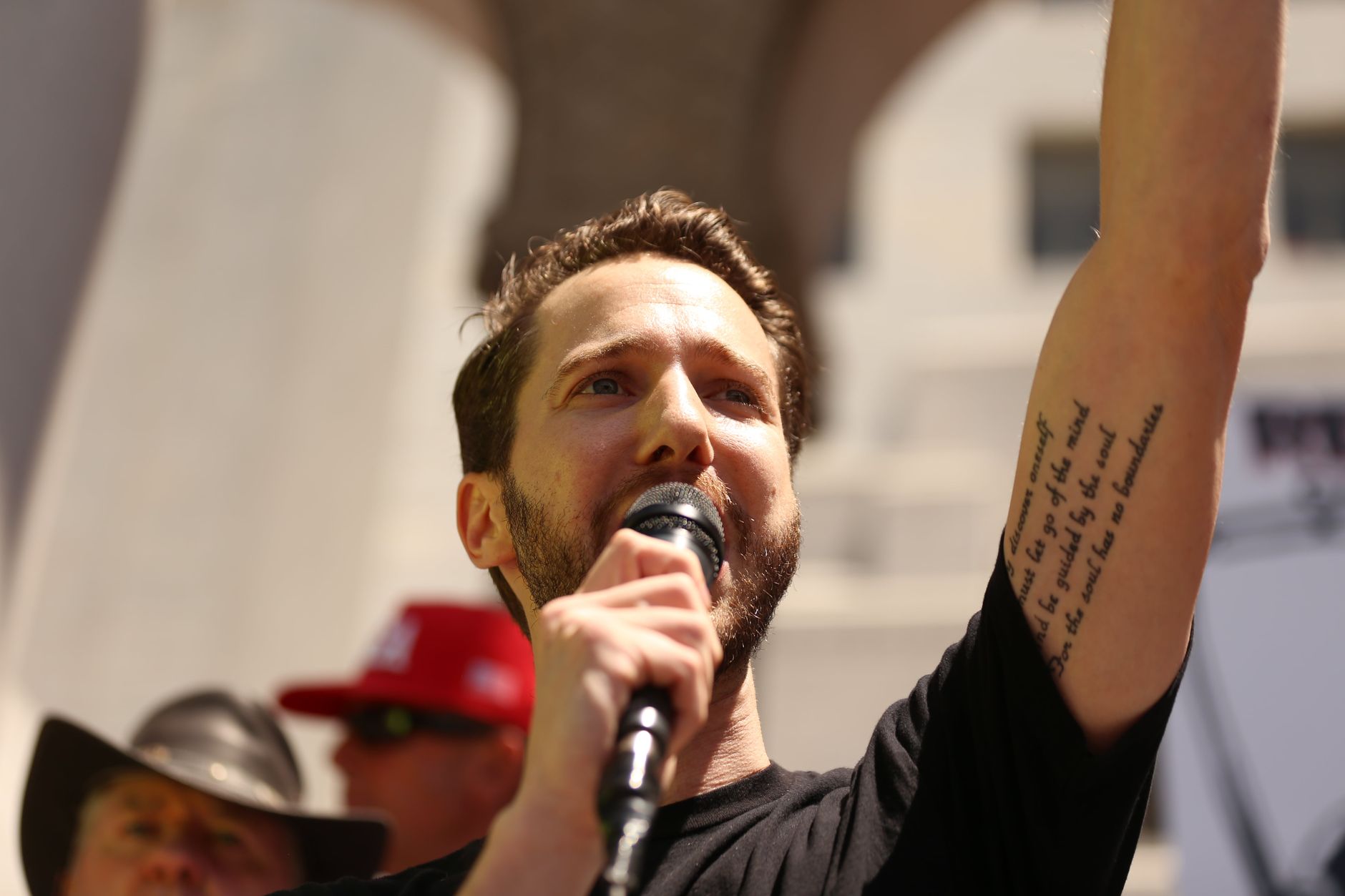
The murder case of Charlie Kirk, a prominent conservative activist and vocal supporter of former President Donald Trump, has entered a critical phase as his family faced the accused in court this week. Tyler Robinson, 23, stands accused of fatally shooting Kirk on the campus of Utah Valley University last September. The ongoing preliminary hearing will determine if Robinson will be formally tried for the killing, a development that has drawn significant attention given Kirk’s high-profile status and the circumstances surrounding the shooting.
Inside the courtroom: Evidence and emotions collide
On the first day of the hearing, Kirk’s family—his widow, parents, and sister—attended the proceedings, underscoring the personal toll the case continues to exert. The family issued a statement expressing their profound grief and gratitude for public support, while requesting privacy as the legal process unfolds. Their presence at the courthouse highlights the enduring impact of Kirk’s death on those closest to him, especially his two young children.
Prosecutors presented a range of evidence, including surveillance footage showing Robinson’s movements on the university campus multiple times on the day of the shooting. Notably, Robinson was recorded returning to the campus hours after the fatal incident, a detail prosecutors argue is significant in establishing his involvement. Witness testimony painted a vivid picture of the chaotic moments following the gunfire, including observations from law enforcement personnel who described the noise as coming from a rifle and noted suspicious signs of a sniper’s presence on a rooftop near the event.
Defense strategy emerges amid contested evidence
Robinson’s defense team has vigorously challenged the prosecution’s narrative. Attorneys questioned the identification of Robinson as the suspect, the security measures in place at the university, and the interpretation of the surveillance footage. They also sought to exclude certain pieces of evidence and have petitioned the judge to remove the death penalty from consideration, signaling their intent to contest the severity of charges vigorously.
The defense’s scrutiny of the evidence suggests a strategy aimed at undermining the prosecution’s timeline and casting doubt on Robinson’s direct involvement. By highlighting inconsistencies in surveillance and law enforcement procedures, Robinson’s lawyers appear to be laying groundwork for a trial that could hinge on the reliability of forensic and eyewitness testimony.
Broader implications for campus safety and political discourse
Kirk’s murder on a university campus during a politically charged event has raised urgent questions about security at public gatherings and the risks faced by high-profile political figures. Kirk was delivering a speech as part of his “American Comeback” tour when the shooting occurred, an attack that shocked both his supporters and critics alike. The incident underscores the volatile intersection of politics, free speech, and personal safety in an era of heightened polarization.
Moreover, the case spotlights the challenges law enforcement faces in swiftly identifying suspects amid complex crime scenes. Initial confusion about the shooter’s identity, as revealed by law enforcement testimony, points to the difficulties in managing such investigations under intense public scrutiny.
What lies ahead in the Charlie Kirk murder case
The preliminary hearing is expected to continue throughout the week, with additional witnesses and evidence to be presented. The judge’s decision on whether to send the case to trial will hinge on whether the prosecution has demonstrated sufficient grounds for a jury to hear the full case. Given the high stakes—including the potential for a death penalty trial—the proceedings will be closely watched by political observers, legal experts, and the public alike.
As the case unfolds, it serves as a somber reminder of the human cost behind headline-grabbing political figures and the complex legal processes that follow such tragedies. For Kirk’s family, the courtroom is not just a venue for justice but a space where their grief and loss are made painfully visible. For the nation, it is a moment to reflect on the repercussions of political violence and the importance of safeguarding both free expression and personal security.
Recommended reading
For more context, see related Peack News coverage and explainers linked below.