
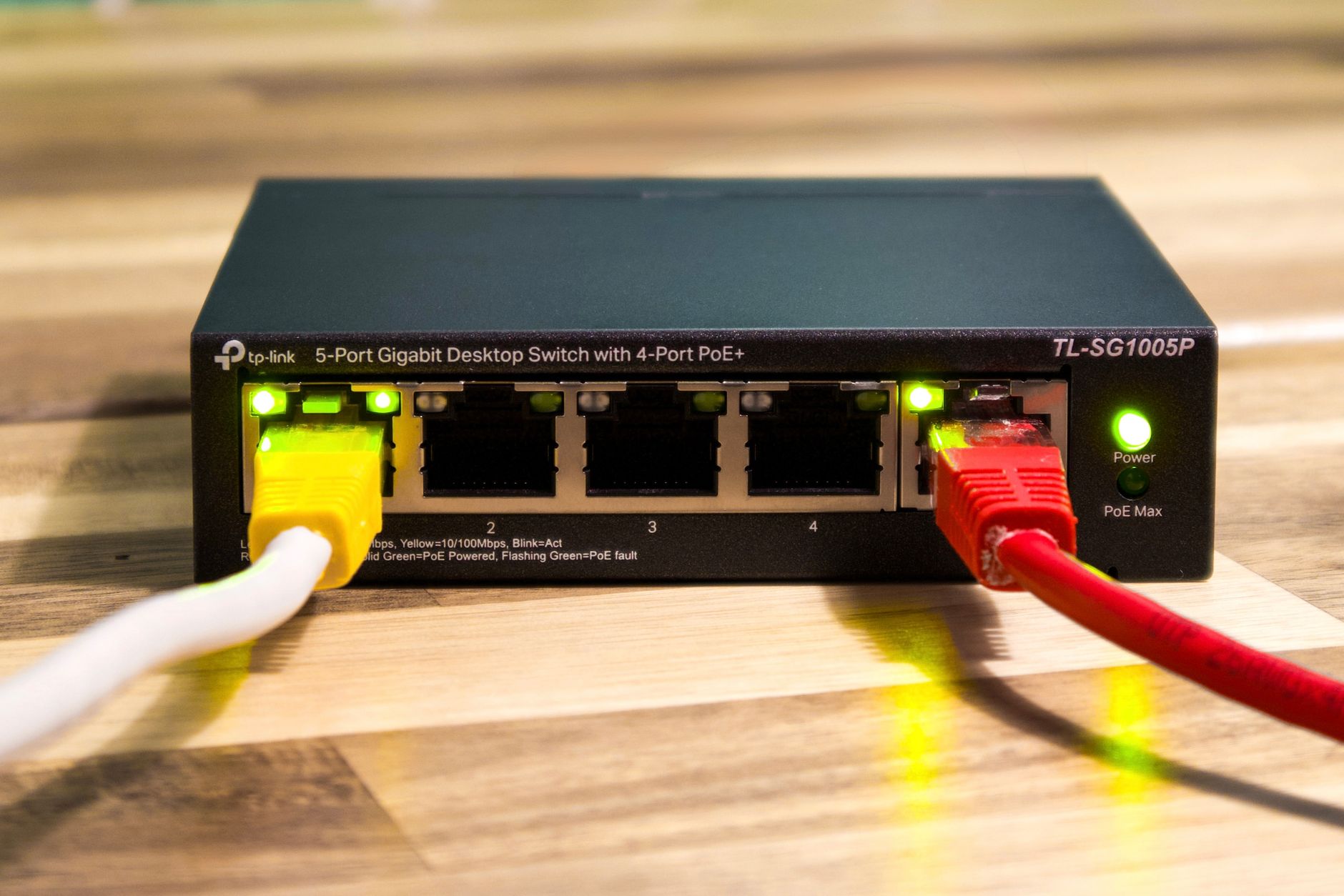
As data centres continue to swell in size and complexity, their voracious appetite for electricity has become a critical concern for the tech industry and environmental advocates alike. A promising solution is emerging from an unexpected angle: swapping out traditional copper wiring for light-based technology. This shift to photonics—using photons instead of electrons to transmit data—could significantly reduce power consumption and heat generation in data centres, potentially transforming the backbone of the digital economy.
Why Copper Wiring Is Becoming a Bottleneck in Data Centres
Data centres, the sprawling hubs that power the internet, cloud computing, and AI services, rely heavily on copper wiring for both electrical power and data transmission. A typical large data centre consuming around 100 megawatts of power uses approximately 400 tonnes of copper, with a significant portion dedicated to networking the servers. However, copper wiring faces inherent physical limitations.
Electrons moving through copper generate heat, which not only wastes energy but also necessitates extensive cooling systems. Cooling infrastructure itself consumes a sizable fraction of the data centre’s power budget, creating a vicious cycle of energy use. Moreover, the complex maze of copper cables connecting CPUs, GPUs, and other components can slow down data transmission speeds, limiting overall performance.
Industry leaders like Chris Sharp, CTO of Digital Reality, suggest that the era of copper in data centres is drawing to a close—not because of scarcity, but due to its inefficiency and physical constraints.
Photonics: Harnessing Light to Accelerate and Cool Data Transfers
Photonics technology uses light waves to transmit data, a method already well-established in long-distance communication via fibre optic cables. The innovation now lies in extending this technology inside data centres themselves, where distances are shorter but demands for speed and efficiency are immense.
Unlike electrons in copper, photons generate negligible heat as they travel, dramatically reducing the cooling requirements of data centre infrastructure. Callum Littlejohns of Cornerstone Labs highlights that photonics can save substantial energy while simultaneously increasing data capacity by multiplexing multiple data streams over the same optical channel.
Integrating photonics involves complex engineering challenges, such as combining optical components directly with electronic chips and managing the thermal sensitivity of optical devices. Yet, the potential benefits—higher speed, lower heat, and greater data throughput—make this a compelling direction for the industry.
Manufacturing and Deployment Challenges for Photonics
Despite its promise, photonics is not a simple plug-and-play replacement for copper wiring. The technology demands new manufacturing processes and supply chains that differ markedly from those established for electronics. For instance, final assembly of photonics components often occurs in specialised packaging facilities, many of which are concentrated in regions like Taiwan.
Andrew Wheeler of Hewlett Packard Labs notes that while the electrical side of data centre hardware has become highly optimised for cost and reliability, photonics manufacturing is still scaling up to meet these benchmarks. Additionally, optical components are more sensitive to heat, requiring data centres to maintain stricter thermal environments.
Installation and maintenance also present hurdles. Fibre optic cables are less flexible than copper, demanding new skills and careful handling to avoid damage. This necessitates retraining network engineers and technicians, which adds a layer of complexity to widespread adoption.
The Future: All-Optical Data Centres?
Currently, photonics primarily replaces copper for data transmission, but a more radical vision is emerging: all-optical data centres where data remains in the optical domain throughout processing and switching. Ofer Shapiro, CEO of Resolight.ai, argues that continually converting data between photons and electrons wastes energy and time. By using optical interconnects directly between chips and network elements, data centres could achieve unprecedented efficiency.
While this all-optical future remains on the horizon, ongoing advances in photonics manufacturing, partly enabled by repurposing older silicon fabrication equipment, are steadily lowering costs and improving scalability. For example, Cornerstone Labs utilizes production tools originally designed for early 2000s processors to produce photonics components, demonstrating the technology’s potential for mass production.
Implications for the Tech Industry and the Environment
As data centres underpin everything from social media to artificial intelligence, their energy footprint is a significant contributor to global electricity demand. Transitioning to photonics could reduce this footprint by cutting power consumption and cooling needs, making the digital economy more sustainable.
This shift also aligns with broader industry trends, including AI companies like Nvidia backing photonics development, signaling a growing consensus that light-based data transmission is the future. However, widespread adoption will require coordination across engineering disciplines, supply chains, and workforce training.
Ultimately, embracing photonics technology represents more than just an upgrade in data centre wiring—it could be a pivotal step toward a more energy-efficient and environmentally responsible digital infrastructure.
Recommended reading
For more context, see related Peack News coverage and explainers linked below.
- LLM Agents Can Secretly Team Up Over Time, New Study Reveals Risks in Long-Term AI Collaboration
- New AI Technique Dramatically Improves Detection of Extremely Rare Risky Events
- New Benchmark Sheds Light on How AI Agents Use Memory Efficiently in Real-World Tasks
- Explainer: Complete Guide to AI Regulation
- Explainer: Global AI Companies Landscape