
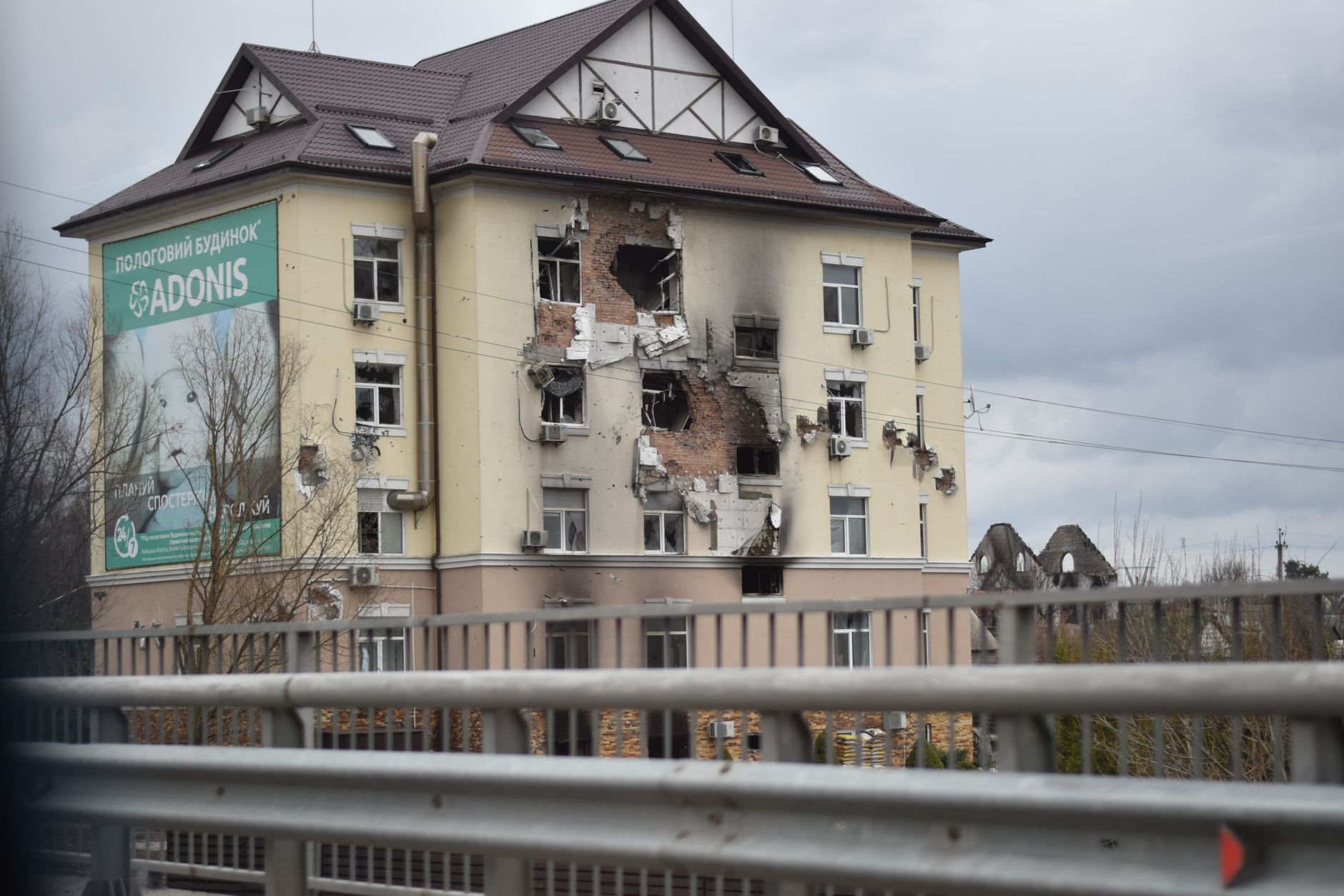
Kyiv endured its deadliest and most extensive Russian missile and drone strike yet, with at least 27 civilians killed and scores injured as waves of attacks pummeled the Ukrainian capital overnight. This unprecedented bombardment signals a grim escalation in Moscow’s campaign, targeting not just military infrastructure but densely populated residential neighborhoods, underscoring the brutal toll of the conflict on civilian life.
Unrelenting Barrage Overwhelms Kyiv’s Defenses
The assault unleashed by Russian forces involved a staggering 74 missiles and nearly 500 drones, striking Kyiv over an 11-hour period in multiple waves. Despite Ukraine’s robust air defenses intercepting the majority of incoming threats, dozens of ballistic missiles and drones penetrated the shield, hitting 33 locations across the city.
Among the hardest hit was the Darnitskyi district on Kyiv’s left bank, where two missiles demolished a nine-story residential building, causing it to collapse and trapping residents beneath the rubble. Nearby, a kindergarten was left scarred by a massive crater, and other apartment blocks were gutted by fire. Rescue workers raced against time to find survivors amid the devastation.
The scale and coordination of the attack overwhelmed Kyiv’s air defense systems, with military analysts noting Russia’s tactic of deploying diverse weapon types simultaneously to exhaust Ukrainian interceptors. This complex approach challenges Kyiv’s ability to protect its population and infrastructure, highlighting the increasing sophistication of Russian offensive operations.
Civilian Toll and Human Stories Amid the Ruins
While previous strikes have occasionally resulted in higher death tolls, this latest attack stands out for its breadth and intensity. At least 27 civilians lost their lives, and 91 were wounded, including many children. The city’s metro system sheltered over 52,000 people overnight, the highest number in recent years, as residents sought refuge underground from the relentless bombardment.
Amid the rubble, stories of personal tragedy emerged. Svitlana, a local resident, recounted hiding in a corridor during the strike, carrying the scars of earlier Russian attacks that claimed her mother’s life and the loss of her son in combat. Another survivor, Oleksiy, was wounded by flying glass after stepping outside during the first missile strike. Both rejected Moscow’s claims that the attacks were retaliation for Ukrainian strikes, emphasizing that residential areas were deliberately targeted.
Strategic and Symbolic Targets Amplify the Conflict’s Stakes
Russian officials framed the strikes as retaliation against Ukraine’s long-range attacks on Russian civilian infrastructure, including power stations. Moscow insists it is targeting military-industrial complexes, but evidence from the ground paints a different picture, revealing extensive damage to civilian dwellings and humanitarian facilities.
The Ukrainian Red Cross reported the destruction of a major warehouse in Kyiv, losing over 320,000 relief items valued at more than £1.3 million. This loss threatens emergency response capabilities and humanitarian assistance across Ukraine, compounding the suffering caused by the war.
Moreover, the Kremlin’s spokesman vowed to intensify pressure on Kyiv, signaling that such large-scale attacks may become more frequent. This escalation comes amid a broader Russian strategy to degrade Ukraine’s infrastructure and morale, even as Kyiv pushes back with its own strikes deep into Russian-held territory.
International Implications and Calls for Enhanced Support
Ukraine’s leadership has urgently called on Western allies to bolster its air defense capabilities, highlighting the need for more advanced missile interceptors. President Volodymyr Zelensky appealed to the United States to authorize the production of Patriot missile systems in Ukraine, underscoring the critical role of international military aid in sustaining Kyiv’s defense.
The attacks also underscore the war’s evolving nature, with Russia employing hybrid tactics that combine missile salvos and drone swarms to stretch Ukrainian defenses thin. This shift complicates the security landscape, making it imperative for allies to adapt their support to meet these new challenges.
Meanwhile, the humanitarian cost continues to mount, with civilians caught in the crossfire and vital aid infrastructure under threat. The destruction of shelters, homes, and relief supplies paints a stark picture of the war’s impact on everyday Ukrainians, fueling calls for intensified diplomatic efforts to end the conflict.
Looking Ahead: A City Under Siege and a War Without End in Sight
Kyiv’s largest strike to date reveals a conflict that remains as brutal and unpredictable as ever. The scale of the attack and the targeting of civilian areas signal a disturbing willingness by Russia to escalate violence in pursuit of its objectives, regardless of human cost.
For Kyiv’s residents, the overnight barrage was a grim reminder of the war’s relentless presence. Yet, amid the destruction, resilience persists. As Ukraine seeks greater support from the international community, the battle for its capital—and its future—continues to define the broader struggle for sovereignty and survival.
Recommended reading
For more context, see related Peack News coverage and explainers linked below.