
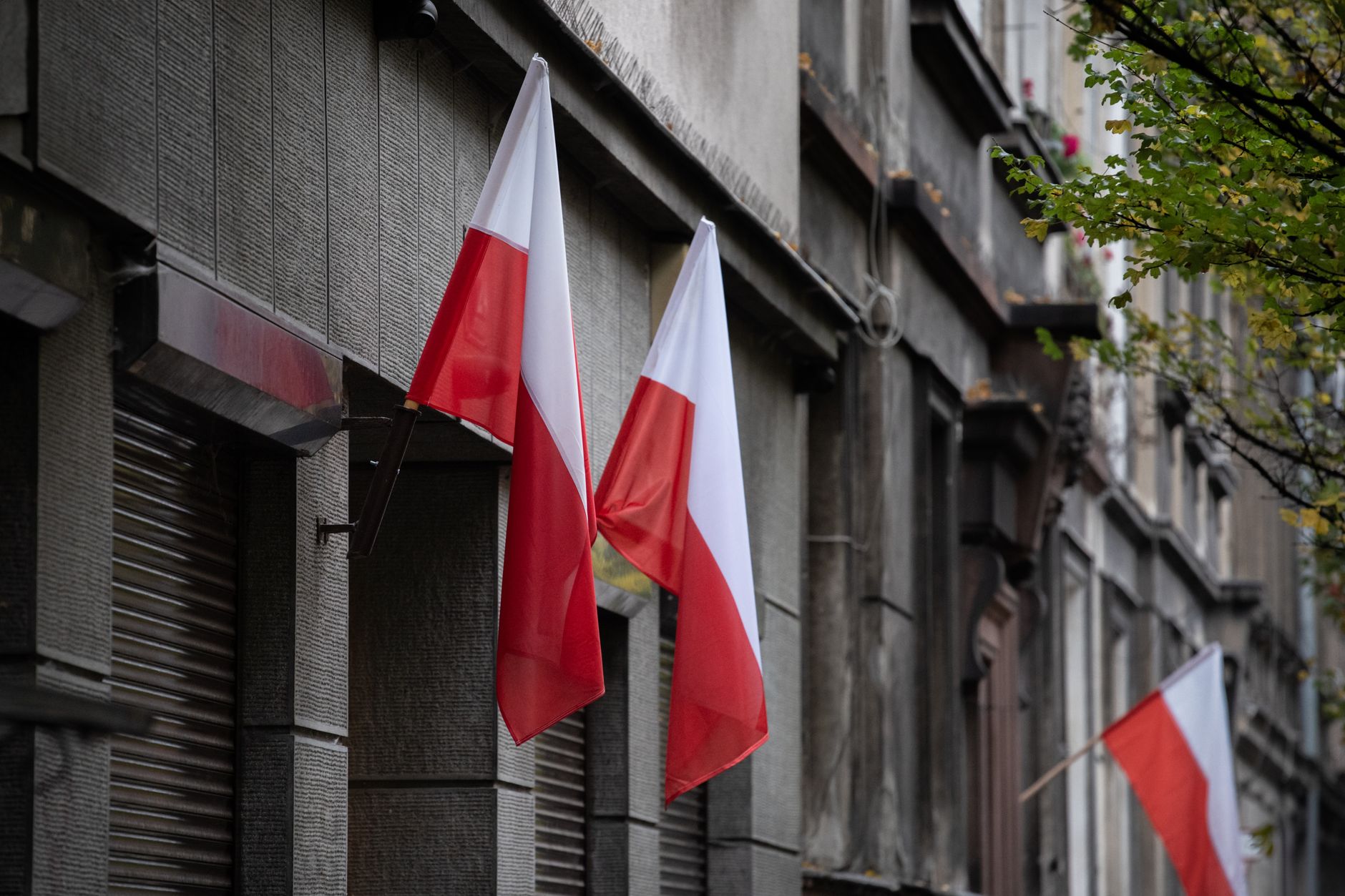
Six people lost their lives and over a dozen were wounded in a chilling shooting spree that erupted in Krakow’s historic Main Market Square, a hub of tourism and local life. The attack, carried out by a 25-year-old man reportedly motivated by far-right extremism, has sent shockwaves through Poland and beyond, raising urgent questions about security, radicalization, and the resilience of public spaces in Europe’s urban centers.
The Anatomy of the Attack: From Calm to Chaos in Minutes
On a busy afternoon just before 3 p.m. local time, the tranquility of Krakow’s medieval square was shattered. Eyewitnesses describe a man driving into the square, then opening fire indiscriminately at pedestrians and bystanders. The gunfire was rapid and relentless, with more than 20 shots heard, some witnesses noting distinct differences in the sounds, suggesting multiple firearms or a high-capacity weapon.
Among those targeted was a tram, whose windows were shattered but fortunately did not result in passenger injuries. The attacker’s military-style attire and weaponry, including ammunition found in his vehicle, pointed to a level of preparation and intent that alarmed authorities. The suspect was quickly confronted by armed police officers, leading to a brief but intense gunfight that ended with the attacker being shot and apprehended within three minutes, a swift response credited with preventing further bloodshed.
Uncovering the Motive: Far-Right Ideology and Ultra-Nationalism
Initial investigations suggest the attacker was influenced by far-right extremist beliefs. Polish officials have described him as an “ultra-nationalist,” a label that highlights the growing concerns about radical ideologies gaining traction among young individuals in Poland and across Europe. While the suspect was not affiliated with the military, he possessed a firearms permit and may have sourced weapons from family connections, illustrating how legal access to firearms can intersect with extremist motivations.
The discovery of three additional bodies at the attacker’s home, including two women and one man, adds a disturbing layer to the narrative, though authorities have yet to clarify the relationship between these victims and the assailant. This grim detail points to a broader tragedy beyond the public shooting, hinting at personal or ideological conflicts that culminated in this horrific episode.
Human Toll and International Reactions
The attack claimed the lives of six individuals, including a British national, with victims spanning Polish citizens and foreigners from countries such as Austria, Germany, Portugal, and Russia. Sixteen people were hospitalized, among them two police officers who bravely confronted the shooter. One officer remains in critical condition after sustaining multiple gunshot wounds during the arrest.
Global leaders expressed solidarity and sorrow. UK Prime Minister Andy Burnham and Foreign Secretary Ed Miliband conveyed condolences and condemned the violence. The U.S. ambassador to Poland called the incident a “savage and murderous attack,” while the European Union’s top diplomat emphasized the tragedy’s far-reaching impact. Even Ukraine’s President Volodymyr Zelensky extended sympathies, underscoring the regional resonance of the event.
Krakow’s Response: Mourning and Security Measures
In the immediate aftermath, Krakow’s mayor declared a period of mourning, signaling the city’s collective grief. Authorities evacuated nearby buildings and conducted thorough searches for explosives, ultimately finding none, but the heightened alert remains. The incident has prompted a reevaluation of security protocols in public spaces, especially those frequented by international visitors.
For locals and tourists alike, the attack has shattered a sense of safety in a city renowned for its vibrant culture and historic charm. The Main Market Square, one of Europe’s largest medieval plazas, is symbolic not just for its beauty but for its role as a communal gathering place. The violence inflicted there is a stark reminder of the vulnerabilities that even the most cherished public spaces face in an era of rising extremist threats.
Broader Implications: Extremism, Gun Control, and Public Safety in Poland
This shooting raises pressing questions about the intersection of extremist ideologies and access to firearms in Poland, a country where gun ownership is tightly regulated yet permits exist under certain conditions. The suspect’s ability to legally obtain weapons, combined with his radical beliefs, underscores challenges faced by law enforcement and policymakers in preempting such attacks.
Moreover, the incident highlights the need for comprehensive strategies addressing radicalization, especially among youth. Poland, like many European countries, has witnessed a surge in nationalist rhetoric and far-right movements, which can fuel violence if left unchecked. The government’s response, including ongoing investigations and public safety measures, will be closely watched as a test of resilience against domestic terrorism.
As Krakow begins the slow process of healing, the attack serves as a grim reminder that vigilance and proactive measures are essential to protect the open, democratic spaces that define Europe’s urban life.
Recommended reading
For more context, see related Peack News coverage and explainers linked below.