
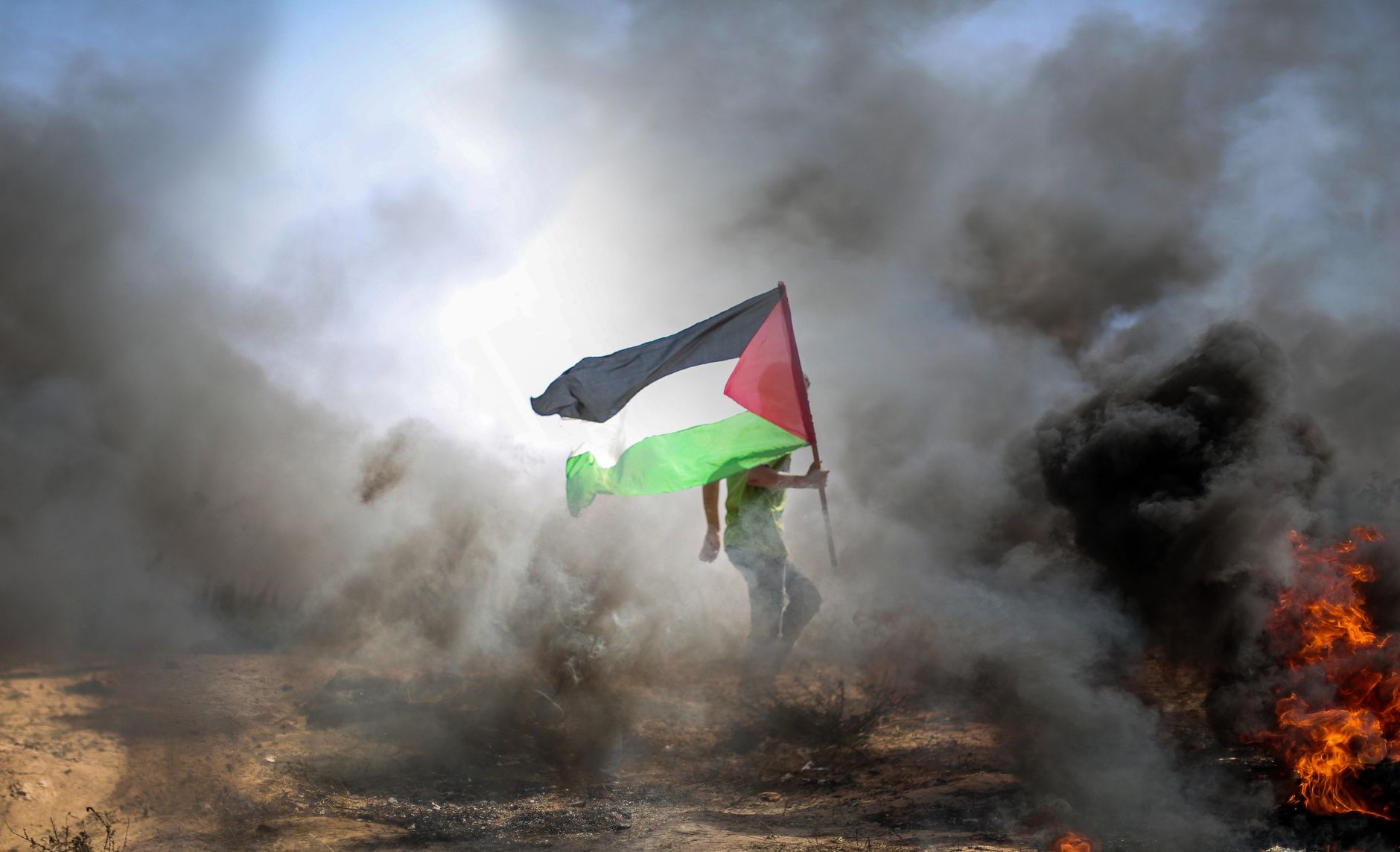
The recent announcement that Hamas has accepted a disarmament plan as part of a broader peace roadmap for Gaza marks a potentially historic moment in the decades-long Israeli-Palestinian conflict. This development, if implemented effectively, could pave the way for a phased Israeli withdrawal from Gaza and a significant reduction in hostilities. Yet, deep-rooted mistrust, complex political dynamics, and humanitarian challenges loom large, raising questions about the roadmap’s viability and the future of peace in the region.
The Roadmap: A Detailed Blueprint for Disarmament and Withdrawal
At the heart of the new peace deal is a 15-point roadmap developed under US auspices, accompanied by a four-page document outlining a phased disarmament process for Hamas and other Palestinian factions. The plan envisions Hamas inventorying and storing heavy weapons, including rockets, and dismantling underground tunnels and military production sites. This process is to be overseen by a newly formed Palestinian National Committee composed of independent technocrats, signaling a shift in governance and security management in Gaza.
Crucially, the roadmap links the disarmament of Hamas to a gradual Israeli military withdrawal to the so-called Yellow Line, a boundary demarcated in previous ceasefire agreements. The plan stipulates that Israeli forces would withdraw within 24 hours of approving the roadmap, provided Hamas complies with the disarmament schedule. The involvement of an International Stabilisation Force (ISF), consisting of troops from friendly countries, is designed to monitor the transition and maintain security during the handover.
Hamas’s Calculated Decision Amidst Regional and Humanitarian Pressures
For Hamas, agreeing to lay down arms represents a monumental shift. The group’s leadership, recently consolidated under Khalil al-Hayya, appears to be responding to a confluence of internal and external pressures. The devastating humanitarian crisis in Gaza, marked by widespread destruction, food and water shortages, and a crumbling infrastructure, has eroded popular support and intensified calls for change.
Additionally, regional dynamics have influenced Hamas’s stance. Earlier hopes that Iran’s position in the Middle East might strengthen their hand have waned, and mediators from Egypt, Jordan, and other regional actors have exerted significant pressure to advance the peace process. Hamas’s demand that Israel end all forms of aggression and withdraw troops before full disarmament underscores the delicate balance of trust required to move forward.
Israeli Skepticism and Political Obstacles
Despite the roadmap’s detailed provisions, Israel remains highly skeptical about Hamas’s willingness to disarm genuinely. Israeli officials, including far-right figures like National Security Minister Itamar Ben-Gvir, have publicly rejected the plan, insisting that no withdrawal will occur until Hamas’s weapons are fully surrendered. Complicating matters, Israel currently controls more than 60% of Gaza, exceeding the area it agreed to under previous ceasefire terms, and has been expanding its control by moving the Yellow Line westward.
This territorial expansion and the cautious Israeli stance reflect enduring security concerns and political calculations within Israel’s government. The lack of clarity around the mechanisms for weapons handover and the absence of the National Committee’s physical presence in Gaza further fuel doubts about the roadmap’s implementation. Moreover, Israel’s insistence on dismantling pro-Israel militias and ensuring no weapons are transferred to non-Palestinian parties adds layers of complexity to the peace process.
Governance Transition and Civil Service Challenges in Gaza
Another critical aspect of the roadmap is the transfer of governance from Hamas to the Palestinian National Committee. Hamas has already announced dissolving its government in Gaza, aiming to hand over administrative control as part of the ceasefire obligations. This transition involves managing tens of thousands of public employees, including police, security personnel, health workers, and educators, many of whom have ties to Hamas.
The plan commits to treating these civil servants “lawfully, fairly, and with dignity,” but the details of security vetting and integration into new institutions remain uncertain. The success of this governance shift will be pivotal in stabilizing Gaza’s fragile political environment and ensuring continuity of essential services amid the broader peace efforts.
Humanitarian Realities and the Road Ahead
The humanitarian situation in Gaza remains dire, with over two million Palestinians living under severe deprivation. Years of conflict have resulted in thousands of deaths, widespread destruction of infrastructure, and a mounting debris crisis. The ongoing Israeli military presence and blockade have exacerbated these conditions, making the prospect of peace not just a political imperative but a humanitarian necessity.
While the acceptance of the disarmament plan by Hamas is a breakthrough, the immediate aftermath has seen continued Israeli military actions, highlighting the fragility of the ceasefire. The involvement of international actors, including the US-led Board of Peace and the ISF, will be critical in monitoring compliance and fostering trust between the parties.
If the roadmap can overcome entrenched mistrust, political opposition, and logistical hurdles, it could represent the first credible step toward ending the Gaza war and opening a path to lasting peace and reconstruction. However, the history of failed ceasefires and broken agreements in the region tempers optimism, underscoring the need for sustained diplomatic engagement and international support.
Recommended reading
For more context, see related Peack News coverage and explainers linked below.