
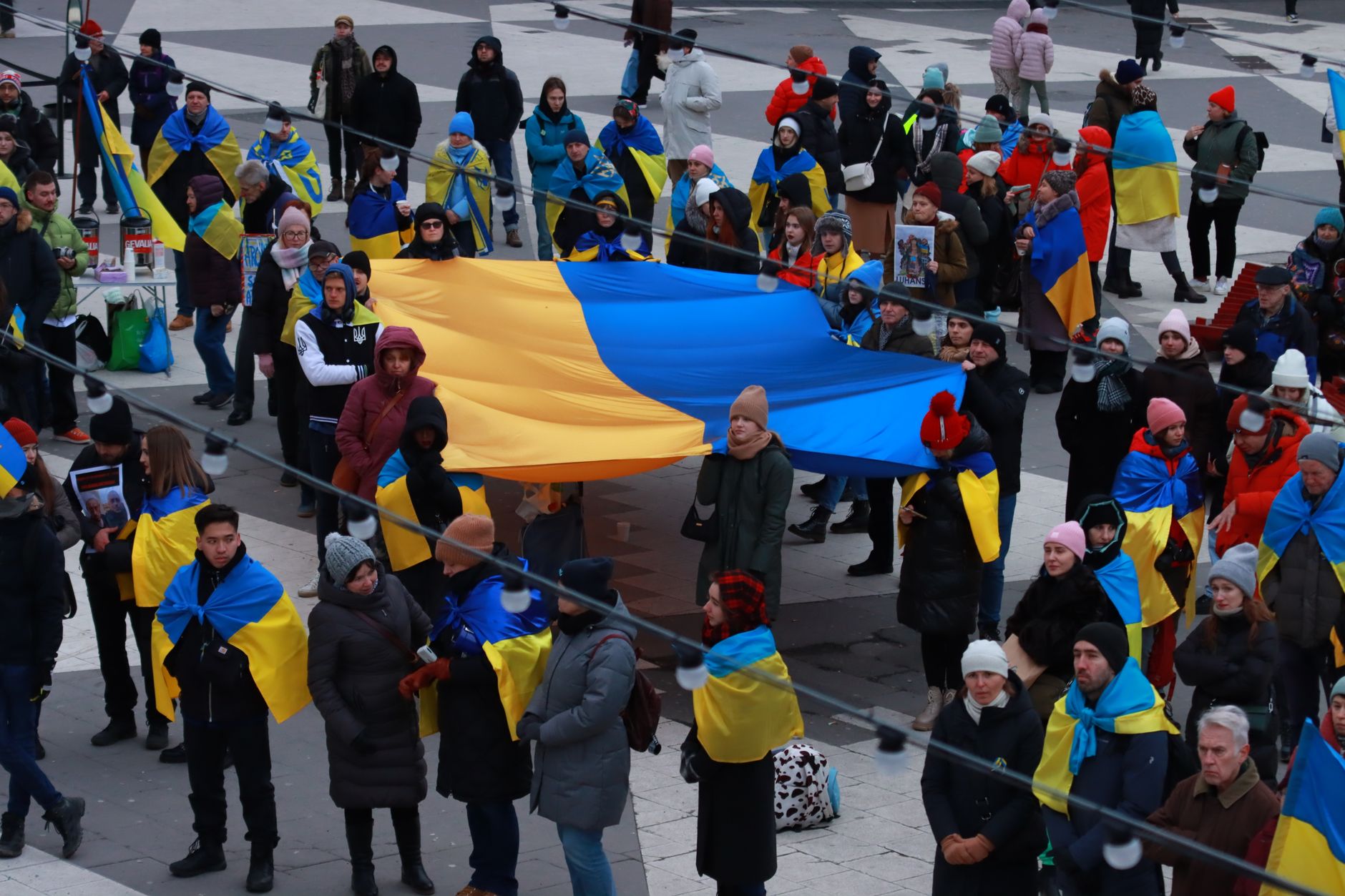
In a bold challenge to the current Ukrainian leadership amid ongoing conflict with Russia, former Defence Minister Mykhailo Fedorov has publicly called for a presidential election despite martial law suspending all electoral processes. His appeal highlights growing tensions within Kyiv’s government and raises critical questions about Ukraine’s democratic resilience during wartime.
Martial Law and the Suspension of Democracy
Since Russia launched its full-scale invasion in February 2022, Ukraine has operated under martial law, a legal framework that suspends elections to prioritize national security and military command. This suspension has effectively frozen the democratic process, including the postponement of presidential and parliamentary elections. Under these extraordinary circumstances, President Volodymyr Zelensky’s administration has focused on war management, foreign diplomacy, and securing military aid.
However, Fedorov’s recent public call for elections breaks with this status quo. In a video posted online, he emphasized that “democracy cannot be held hostage by Russia,” arguing that Ukrainians must maintain their democratic institutions even amid conflict. His statement underscores a fundamental dilemma: how to balance urgent wartime governance with the preservation of democratic legitimacy.
Fedorov’s Sudden Dismissal and Political Fallout
Mykhailo Fedorov’s call comes just weeks after his unexpected removal as defence minister, a move that stunned many in Ukraine and abroad. Appointed only six months earlier, Fedorov had quickly earned a reputation for modernizing the ministry, fighting corruption, and integrating technology into military operations. His dismissal sparked protests across the country, reflecting a rare public display of dissent within Ukraine’s wartime political landscape.
Behind the scenes, Fedorov’s firing appears linked to internal disputes with the military’s top brass, particularly Army Commander-in-Chief Oleksandr Syrskyi. Syrskyi himself was replaced shortly after amid mounting pressure on Zelensky’s government. These leadership upheavals have exposed fractures in Ukraine’s command structure and raised concerns about the coherence of its war strategy.
Fedorov’s Vision for Ukraine’s Democratic Future
In his video appeal, Fedorov did not specify personal political ambitions but stressed the urgent need for a “legal, safe, and realistic mechanism” to restore democratic processes during the ongoing war. He described Ukraine as facing a “systemic crisis of governance” and criticized the government’s resistance to change and persistent corruption, which he argued undermine the war effort.
Fedorov’s stance represents a significant challenge to Zelensky, who has yet to publicly respond. It also reflects a broader debate within Ukraine about how to sustain democratic accountability while managing the existential threat posed by Russia. The former minister’s emphasis on innovation and transparency contrasts with the perceived inertia and centralization of power under martial law.
Technology and Innovation in Ukraine’s Defence Strategy
Fedorov’s tenure was marked by a strong focus on leveraging technology to counter Russian advances. Before becoming defence minister, he gained recognition as Ukraine’s digital transformation minister, where he organized the “IT Army of Ukraine,” a volunteer cyber unit targeting Russian infrastructure. He also spearheaded the “Army of Drones” fundraising campaign and introduced gamification elements to incentivize military success.
His efforts to integrate cutting-edge technology extended to military procurement and battlefield tactics, including a notable appeal to SpaceX founder Elon Musk to restrict Russian use of Starlink satellites for drone operations. These innovations reportedly disrupted Russian frontline operations and have become a critical component of Ukraine’s asymmetric warfare strategy.
The Broader Implications for Ukraine’s War and Governance
Fedorov’s call for elections amid martial law is more than a political statement; it poses a test for Ukraine’s democratic institutions under extreme pressure. If the government resists or delays electoral processes indefinitely, it risks eroding public trust and international support. Conversely, holding elections during wartime could expose vulnerabilities and complicate military efforts.
Moreover, the internal discord revealed by Fedorov’s dismissal and subsequent protests signals challenges in maintaining unified leadership. Ukraine’s ability to innovate militarily while preserving democratic legitimacy will be crucial as the war drags on.
Ultimately, Fedorov’s challenge is a reminder that democracy and defense are intertwined. For Ukraine to emerge from this conflict not only victorious but also as a stable European state, it must find ways to uphold democratic principles even in the face of existential threats.
Recommended reading
For more context, see related Peack News coverage and explainers linked below.