
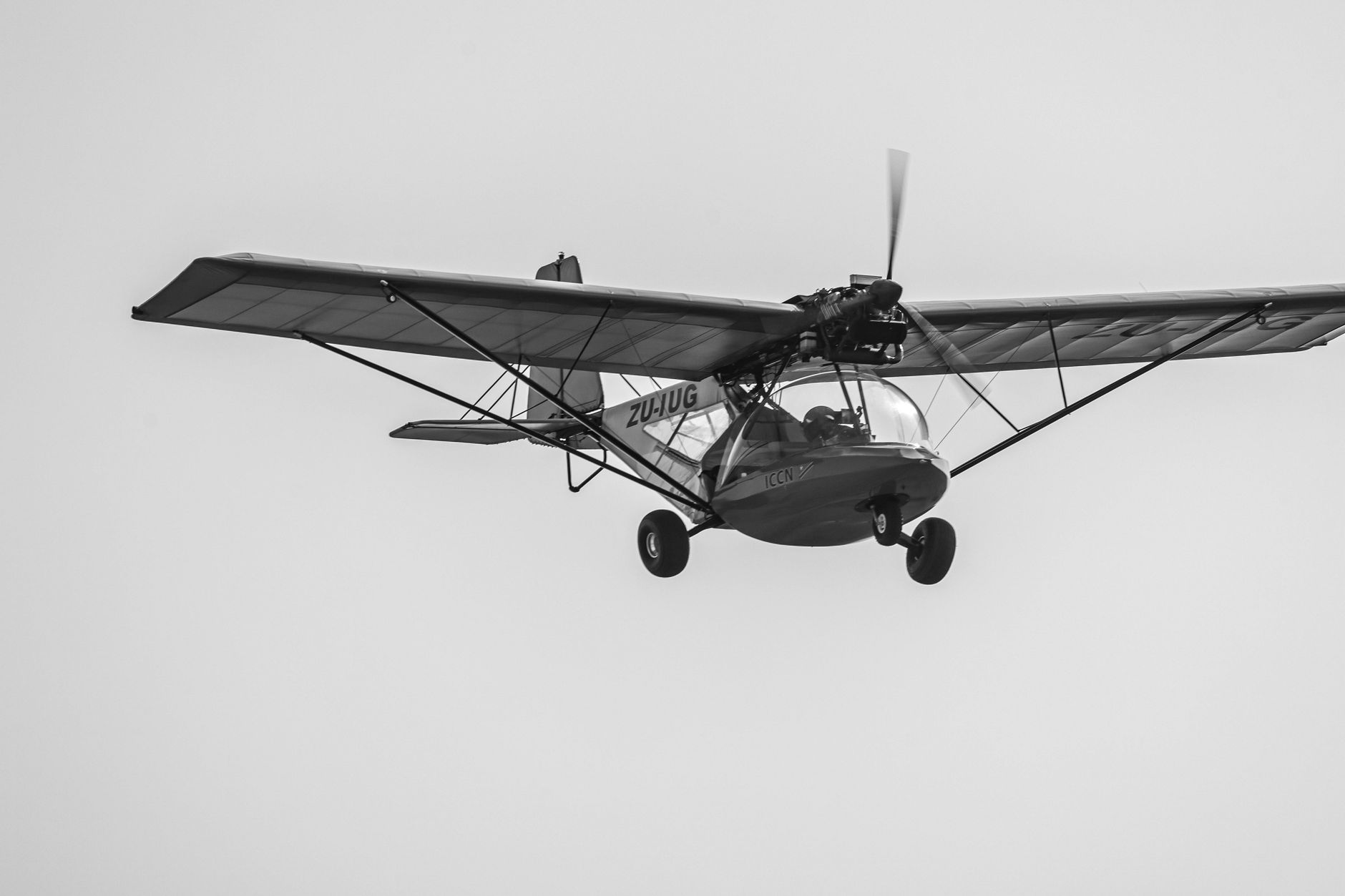
The Democratic Republic of Congo (DR Congo) finds itself once again at the crossroads of conflict and international intrigue after reports emerged of a military aircraft missing in the volatile eastern region. The disappearance of a Cessna 208, reportedly converted into a light attack plane, has sparked controversy and raised fresh questions about foreign involvement in the long-running conflict. Rebel forces claim to have shot down the aircraft near Minembwe in South Kivu province, capturing a South African pilot and a Ugandan officer, allegations that both governments have denied.
The Incident and Rebel Claims
On a day marked by poor weather conditions, the DR Congo military lost contact with a small Cessna 208 cargo plane, which was reportedly on a mission to bomb the town of Minembwe. The Front for the Refoundation of the Nation (FRN), a rebel group active in the region, quickly claimed responsibility for shooting down the plane. According to the FRN, the aircraft had been modified to carry precision-guided bombs and missiles, transforming it into a light attack aircraft capable of striking rebel positions.
The rebel statement further claimed that the plane’s wreckage was found approximately 10 kilometers from Minembwe. Two of the four people on board—a Ugandan and a South African—were reportedly captured alive. The FRN referred to these individuals as mercenaries, highlighting the international dimension of the conflict.
Foreign Involvement and Denials
The involvement of foreign nationals in the conflict is not new, but this incident has brought it into sharp focus. South Africa’s government has remained silent on the matter, while Uganda’s military issued a firm denial. A statement attributed to Uganda’s army chief, General Muhoozi Kainerugaba, condemned the use of Ugandan personnel by private mercenary companies in DR Congo and announced penalties against an unnamed company involved.
General Kainerugaba’s comments underscore the delicate balancing act Uganda faces: distancing itself officially from mercenary activities while acknowledging that some Ugandans may be involved independently. This ambiguity fuels suspicions about the true extent of foreign military involvement in DR Congo’s eastern provinces.
Adding to the complexity, a video circulated online allegedly shows a man identifying himself as Ugandan, claiming government backing for his presence. The authenticity of the footage and the man’s identity remain unverified, but it has intensified scrutiny on the murky role of mercenaries in the region.
The Broader Conflict and Regional Implications
The eastern DR Congo has been a hotbed of violence and instability for decades, with various rebel groups vying for control over mineral-rich territories. The FRN, which now controls significant areas including the strategic city of Goma, is a coalition that includes the notorious M23 rebels. These groups have been accused of severe human rights abuses and have destabilized the region with their territorial advances.
The Congolese government has historically relied on foreign mercenaries to combat rebel factions, a strategy that has drawn criticism for complicating the conflict and prolonging violence. The presence of foreign pilots and military contractors reflects the internationalization of what is often seen as a domestic insurgency, with neighboring countries and private actors playing shadowy roles.
Humanitarian Consequences and Disrupted Aid
The ongoing fighting severely impacts the civilian population and humanitarian efforts. Medical charities such as Médecins Sans Frontières have been forced to suspend outreach programs in North Kivu due to insecurity. The volatile situation also hampers the response to the Ebola outbreak centered in eastern DR Congo, as health workers struggle to operate amid the fighting.
These disruptions exacerbate the suffering of communities already grappling with poverty, displacement, and disease. The conflict’s toll on healthcare infrastructure underscores the urgent need for a political solution that prioritizes civilian safety and stability.
What This Means for the Future of DR Congo’s Conflict
The downing of the aircraft and the capture of alleged foreign mercenaries highlight the evolving nature of the conflict in DR Congo. The involvement of external actors, whether state-affiliated or private, complicates peace efforts and risks escalating violence. It also raises questions about accountability and the enforcement of international norms concerning mercenary activity.
For the Congolese government, the incident is both a challenge and an opportunity. It exposes vulnerabilities in military operations and the risks of relying on foreign contractors, but it also provides leverage to rally national and international support against rebel forces.
Ultimately, resolving the conflict in eastern DR Congo requires addressing the root causes—ethnic tensions, competition over resources, and weak governance—while curbing the influence of external mercenaries and ensuring humanitarian access. The recent events near Minembwe are a stark reminder that peace remains elusive and that the region’s stability hinges on coordinated efforts by local, regional, and international stakeholders.
Recommended reading
For more context, see related Peack News coverage and explainers linked below.