
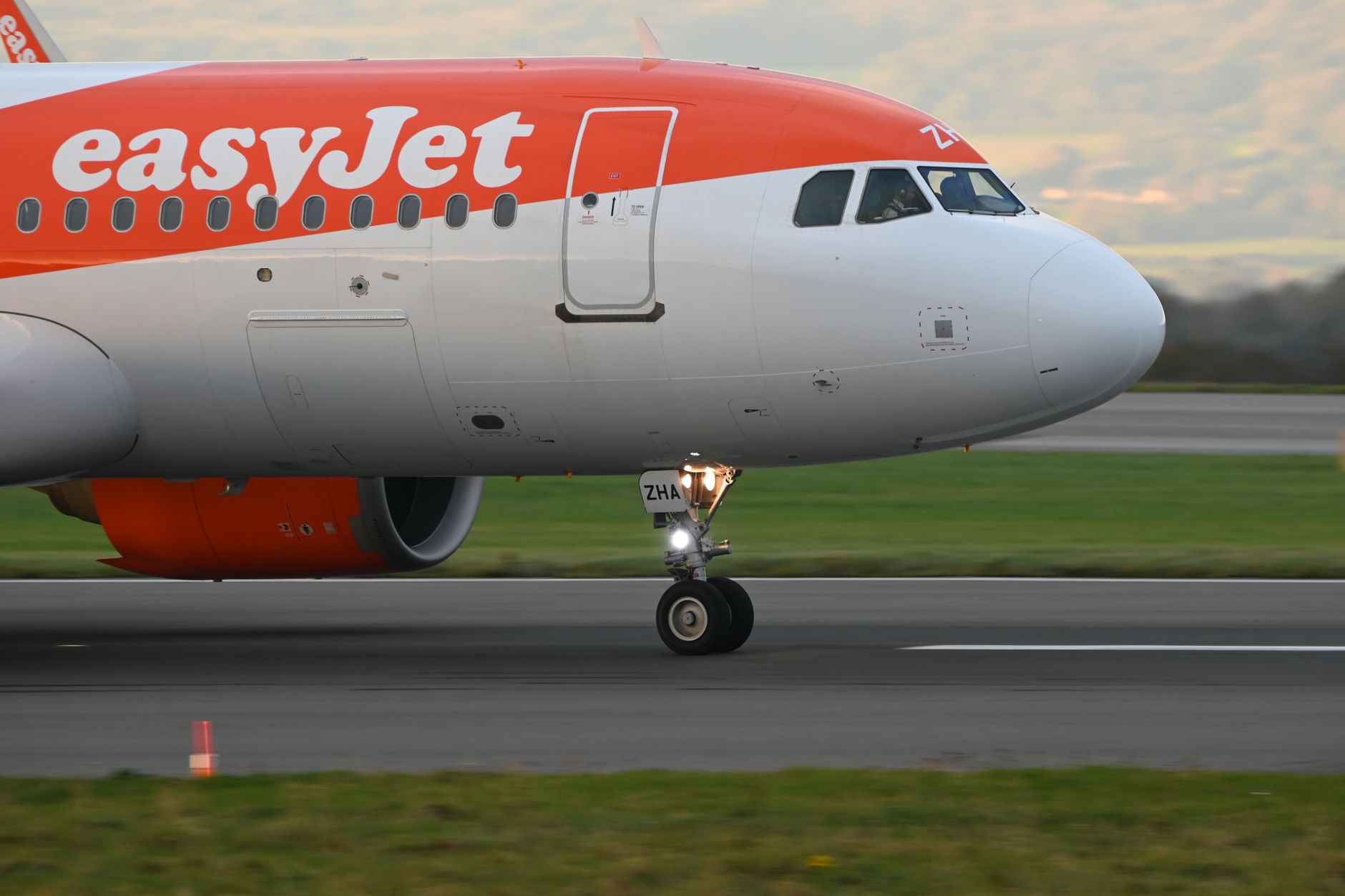
EasyJet, one of Europe’s leading low-cost airlines, has taken a significant step toward a potential takeover by agreeing in principle to a £5.2 billion offer from US investment firm Castlelake. This development follows months of resistance from EasyJet’s board, which had previously dismissed four takeover bids from the same firm as undervaluing the airline. The latest offer, valuing shares at £6.90 each, marks a notable shift in negotiations and opens the door for a complex cross-continental acquisition that could reshape the airline’s future.
From Rejection to Tentative Agreement: The Evolution of a Takeover Bid
Earlier this year, Castlelake made multiple offers for EasyJet, ranging between £5.60 and £6.50 per share, all of which were rebuffed by EasyJet’s board. The airline accused the US firm of attempting to acquire it “on the cheap,” reflecting concerns that the bids undervalued EasyJet’s long-term potential. At the time, EasyJet’s shares were trading at depressed levels, influenced by geopolitical tensions such as the US-Israel conflict involving Iran, which rattled the travel sector.
The turnaround came with Castlelake’s latest proposal on 4 July, which increased the offer to £6.90 per share. EasyJet’s board has now indicated that this valuation is one they would likely recommend to shareholders, signaling a more conciliatory stance and recognition of the offer’s improved terms.
Regulatory Hurdles in a Transatlantic Deal
Despite the agreement in principle, the path to a completed takeover is far from straightforward. One of the most significant challenges lies in regulatory compliance, particularly European Union rules that mandate majority ownership of European airlines by European entities. Since Castlelake is a US-based firm, it must demonstrate how it will meet the requirement that at least 51% of EasyJet remains under European control.
Clarity on this issue is critical not only for regulatory approval but also for maintaining EasyJet’s operating licenses and access to European airspace. Castlelake has indicated its intention to comply with these rules, but the specifics of how it will structure ownership or partnerships to satisfy regulators remain to be seen.
The firm has until 3 August to announce a firm intention to proceed with the offer or to withdraw. If a formal bid is launched, it will be subject to a shareholder vote, adding another layer of complexity and uncertainty.
Implications for EasyJet’s Future and the European Aviation Market
EasyJet operates more than 1,200 routes across 35 European countries and employs over 19,000 people, making it a major player in the continent’s aviation sector. A takeover by an American investment group could signal a shift in strategic direction, potentially injecting new capital and management approaches aimed at strengthening EasyJet’s resilience amid a challenging economic and geopolitical environment.
However, the deal also raises questions about the airline’s European identity and strategic autonomy. Maintaining majority European ownership is not just a regulatory formality; it reflects broader concerns about control over critical infrastructure and connectivity within Europe.
For the travel industry, this takeover could set a precedent for how non-European investors engage with European airlines, balancing investment opportunities against regulatory and political sensitivities.
Market Reaction and Shareholder Considerations
EasyJet’s shares closed at £5.58 on the Friday before the announcement, well below the latest offer price, which represents a premium that shareholders may find attractive after a year of share price decline exceeding 30%. The depressed stock price had reflected broader market uncertainties, including geopolitical risks and the lingering impact of the COVID-19 pandemic on travel demand.
The board’s willingness to recommend the £6.90 offer suggests confidence that this valuation fairly compensates shareholders for the airline’s prospects. For investors, the deal presents a potential exit at a premium, but also uncertainty about the airline’s future governance and strategic direction.
What Comes Next in the Takeover Process?
With the agreement in principle now public, the next steps involve regulatory reviews, shareholder consultations, and detailed negotiations on deal structure. Castlelake’s ability to secure European ownership compliance will be closely scrutinized by aviation regulators and political stakeholders alike.
Should the takeover proceed, EasyJet could undergo a transformation aimed at bolstering its competitive position in a rapidly evolving market marked by rising fuel costs, shifting consumer behaviors, and increasing environmental regulations.
For now, the aviation sector watches closely as one of Europe’s flagship low-cost carriers stands on the cusp of a possible ownership change that could reverberate across the industry for years to come.
Recommended reading
For more context, see related Peack News coverage and explainers linked below.