
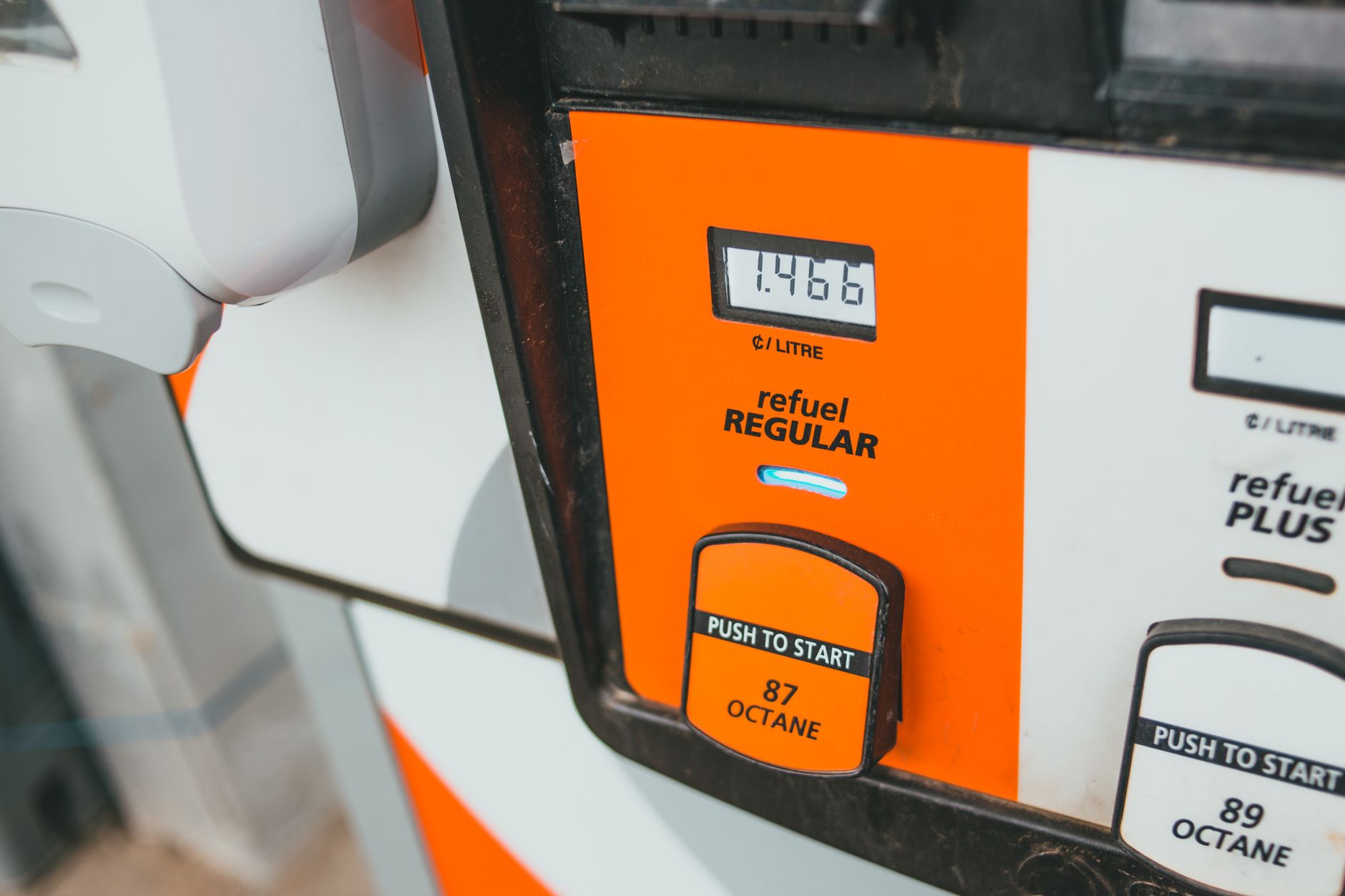
Amid soaring fuel prices and mounting economic pressures, Liberal Democrat leader Sir Ed Davey has called for an immediate 10p per litre cut in fuel duty, proposing a temporary measure to ease the cost of living for millions of UK drivers. His push comes as geopolitical tensions and domestic economic challenges combine to strain household budgets, prompting urgent debate over how best to support consumers and stimulate growth.
Linking Global Conflict to Domestic Pain
Sir Ed Davey directly attributes the surge in fuel costs to the destabilising effects of former US President Donald Trump’s confrontational stance towards Iran, which has exacerbated volatility in global oil markets. This geopolitical friction, he argues, has filtered down to British consumers in the form of higher petrol and diesel prices. By framing the issue in this way, Davey highlights how international conflicts can have immediate and tangible impacts on everyday life in the UK.
Fuel duty, a tax levied on petrol and diesel, has been frozen in recent years by both Conservative and Labour governments, reflecting an awareness of the sensitivity of fuel prices to consumers. However, with prices reaching levels unseen in years, Davey insists that a more aggressive, short-term cut is necessary to provide relief ahead of the winter months.
A Temporary Tax Cut with Economic Ripple Effects
The proposed 10p reduction in fuel duty, set to last until Christmas, is designed not only as a direct subsidy to motorists but also as a stimulus to the broader economy. Davey estimates the cost of this three-month package at around £2 billion. Yet, he suggests that the measure would effectively pay for itself through increased economic activity and higher tax receipts from other channels such as the energy profits levy, VAT, and gas taxes.
This argument rests on the idea that lowering fuel costs will boost consumer spending and business operations, thereby generating additional revenue for the Treasury. It is a classic Keynesian approach: easing immediate financial burdens to encourage spending, which in turn supports growth and tax intake.
Critics might question the timing and fiscal prudence of such a cut, especially as Chancellor John Healey faces pressure to manage rising government borrowing costs. Nevertheless, Davey’s proposal underscores the political urgency of addressing inflationary pressures on households.
Broader Transport and Energy Policy Proposals
At the Liberal Democrat conference, Davey expanded his cost-of-living agenda beyond fuel duty. He advocated slashing bus fares from the current £3 cap to just £1, as well as reducing rail fares by 10%. These measures aim to make public transport more affordable and accessible, potentially encouraging a shift away from car use and helping to address environmental concerns.
Additionally, Davey called for the removal of VAT on public electric vehicle charging points and a review of network costs, which the Lib Dems argue are disproportionately high. This aligns with the party’s broader commitment to green policies and transition to cleaner transport options, attempting to balance immediate financial relief with longer-term sustainability goals.
Political Reactions and Challenges Ahead
The Labour Party, currently in government, has maintained a freeze on fuel duty and deferred planned increases, but has yet to embrace the kind of immediate cut Davey proposes. Labour’s chair, Bridget Phillipson, acknowledged the Lib Dems’ suggestion but framed it as a political pitch rather than a policy under serious consideration ahead of the upcoming budget.
This response highlights the political tightrope surrounding fuel duty: while cuts are popular with voters, they come at a significant fiscal cost and complicate efforts to reduce carbon emissions. The government must balance these competing priorities amid a challenging economic environment marked by inflation and rising public debt.
Internal Party Debates Reflect Wider Social Concerns
While fuel duty grabs headlines, the Lib Dems are also grappling with internal debates over social policies such as the state pension triple lock. Introduced by the Lib Dems during the Conservative-led coalition to protect pensioner incomes, the policy guarantees annual increases in line with inflation, wages, or 2.5%, whichever is highest.
Some party members argue the triple lock is unsustainable and unfair to younger generations, but Davey defended its continuation, emphasizing ongoing pensioner poverty and inequality. This tension within the party mirrors broader societal debates about intergenerational fairness and fiscal responsibility.
Conclusion: Navigating Economic Relief and Fiscal Responsibility
Sir Ed Davey’s call for an immediate 10p cut in fuel duty reflects a broader challenge facing UK policymakers: how to provide tangible relief to households grappling with high living costs without undermining fiscal stability or environmental goals. His approach blends short-term economic stimulus with longer-term transport and energy reforms, positioning the Liberal Democrats as a party focused on practical solutions amid complex pressures.
As the government prepares for its upcoming budget, the debate over fuel duty and cost-of-living measures will remain a focal point, testing the balance between political expediency, economic pragmatism, and social equity.
Recommended reading
For more context, see related Peack News coverage and explainers linked below.
- German Chancellor Merz calls state election a disaster for his party but pledges to remain
- Ukraine launches hundreds of drones in largest attack on Moscow, mayor says
- Ed Sheeran acknowledges mistakes while addressing Macklemore controversy in Philadelphia
- Explainer: Global AI Companies Landscape
- Explainer: US-China Tech Competition