
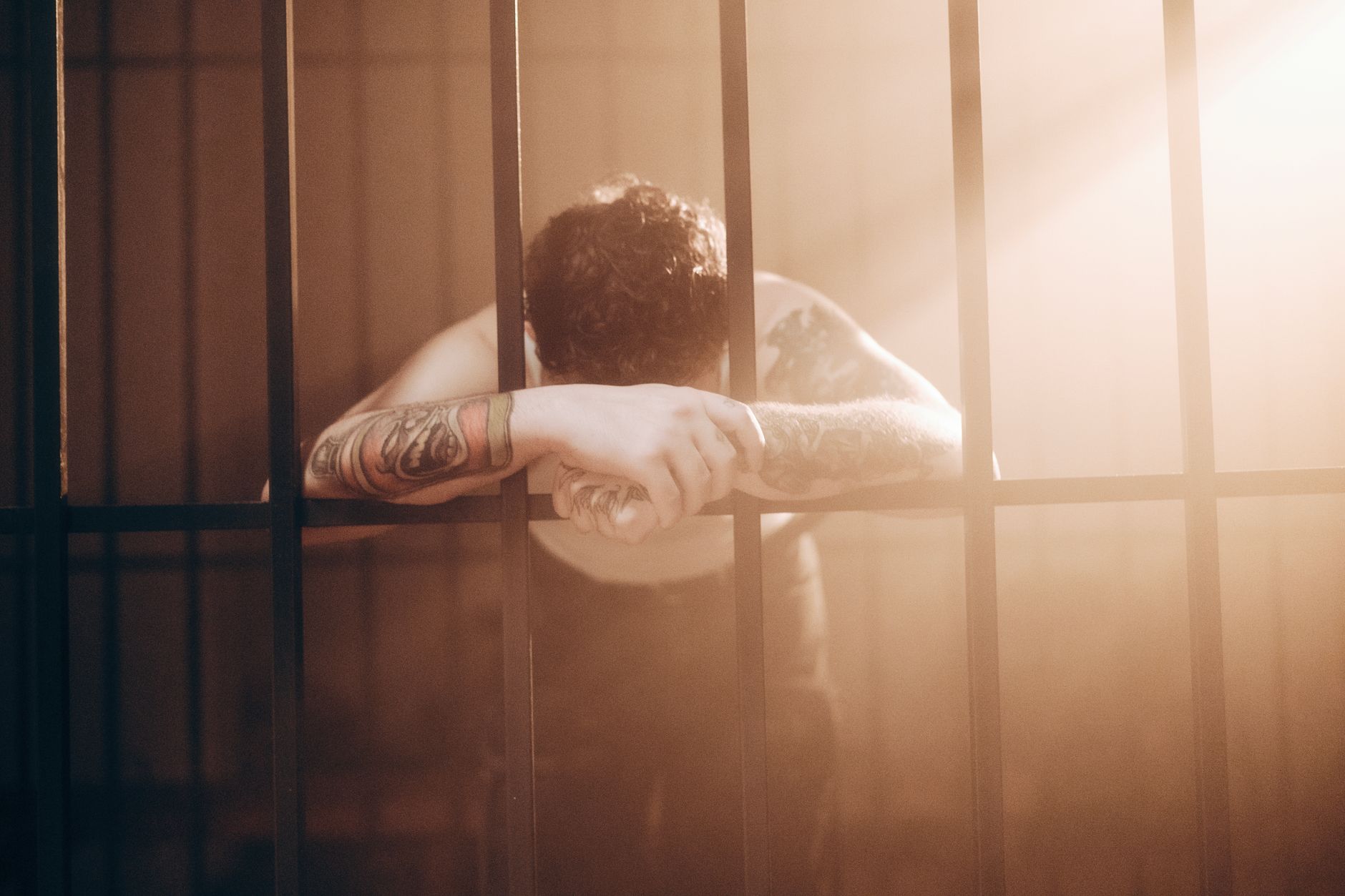
In a landmark federal case, eight individuals linked by prosecutors to an “Antifa Cell” have been sentenced to a combined 450 years in prison for their involvement in a violent riot outside an immigration detention center in Texas. The incident, which took place on July 4th last year, escalated from a protest into a dangerous confrontation that left a law enforcement officer critically injured. The harsh sentences underscore the government’s firm stance against what it terms domestic terrorism, while raising questions about the boundaries of protest and the legal definitions of extremist groups.
The Texas Riot: From Protest to Violence
The unrest unfolded at the Prairieland Detention Center, near Dallas, during the Independence Day holiday. What began as a demonstration in support of detained immigrants quickly deteriorated into chaos. According to the Department of Justice (DOJ), members of the so-called North Texas Antifa Cell engaged in shooting fireworks at the facility, vandalizing property, and ultimately firing shots that wounded a law enforcement officer in the neck.
Federal prosecutors characterized the group as part of a broader network committed to undermining government authority through violent means. The eight defendants faced a range of charges including rioting, use of explosives, providing material support to terrorists, and obstruction of justice. The severity of the charges reflects the government’s view of the incident as more than a mere protest gone awry—it was framed as an assault on democratic institutions and public safety.
Sentences Reflect a New Era of Domestic Terrorism Enforcement
Benjamin Hanil Song, a former Marine Corps reservist and alleged leader of the group, received the longest sentence: 100 years in prison. The other seven defendants were sentenced to terms ranging from 30 to 70 years. The DOJ’s Acting Attorney General Todd Blanche emphasized that these sentences send a clear message that attacks on law enforcement and federal facilities will be met with uncompromising justice.
These unprecedented sentences come amid a broader crackdown on violent extremism within the United States. Since President Donald Trump’s administration designated Antifa as a domestic terrorist organization in 2020, federal prosecutors have intensified efforts to pursue cases against individuals associated with the movement. This case is among the most high-profile examples of that policy in action.
Controversy Over the Definition and Treatment of Antifa
Despite the government’s portrayal, the defendants and their supporters dispute the characterization of the group as a coordinated terrorist cell. Many argue that Antifa is not a formal organization but rather a loosely connected ideology opposing fascism and far-right extremism. The defendants have denied formal affiliation with Antifa, stating they participated in the demonstration to advocate for immigrant rights, not to incite violence.
Benjamin Hanil Song, through a written statement, claimed that he fired his weapon only because he believed the officer was about to shoot a protester, suggesting a reactive rather than premeditated act. His family has also contested the prosecution’s narrative, emphasizing the lack of intent to harm.
The length of the sentences has drawn criticism from human rights advocates and families of the defendants, who argue that the punishments are disproportionate and may set a troubling precedent for future protests. This case raises complex questions about how the criminal justice system balances public safety with the right to dissent.
The Broader Implications for Protest and Policing in America
The Prairieland riot highlights the increasingly fraught landscape of protest and law enforcement in the United States. Immigration detention centers have become flashpoints for activism, with many protests remaining peaceful and drawing bipartisan attention. However, when demonstrations turn violent, the government’s response often intensifies dramatically.
This case also illustrates the challenges in defining and prosecuting domestic extremism. The designation of an ideological movement like Antifa as a terrorist entity complicates legal standards, as it blurs the line between protected political expression and criminal conduct. The government’s aggressive approach may deter violent acts but risks criminalizing broader political opposition.
As the nation continues to grapple with issues of immigration, policing, and political polarization, the outcomes of such cases will influence how protests are conducted and policed in the future. The sentences handed down in Texas may serve as a deterrent to violent actions but could also deepen divisions over civil liberties and the right to protest.
Looking Ahead
Sentencing for a ninth defendant, Ines Soto, and seven others who pleaded guilty to related charges is scheduled for early July, potentially adding to the total prison time associated with this case. Observers will be watching closely to see how the judiciary continues to handle similar cases amid ongoing national debates about domestic extremism and protest rights.
Ultimately, the Texas case stands as a stark reminder of the volatile intersection between activism and law enforcement in the United States, and the high stakes involved when ideological conflicts erupt into violence.
Recommended reading
For more context, see related Peack News coverage and explainers linked below.