
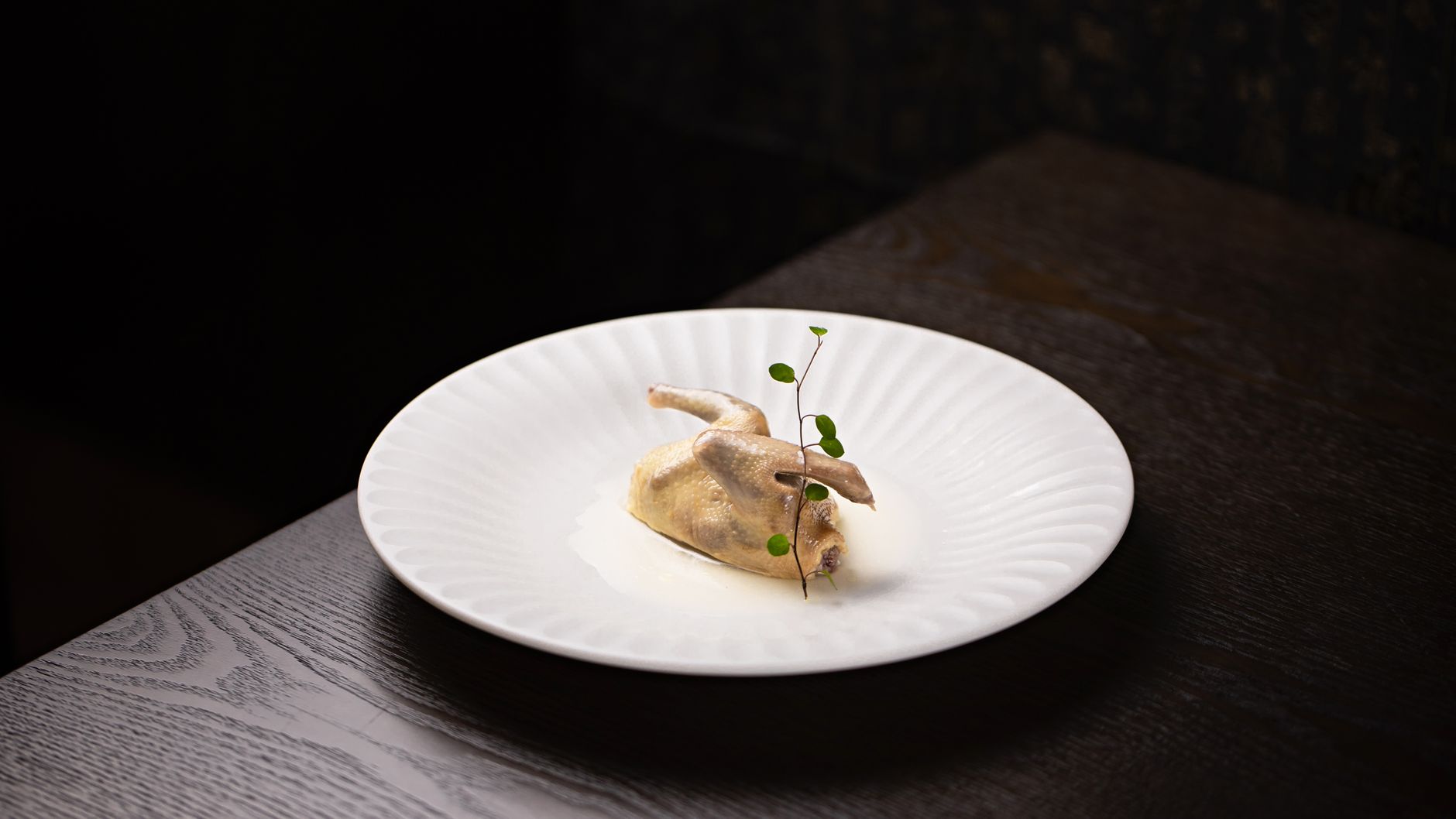
South Australia has made culinary history by becoming the first region in Australia to earn Michelin stars, a prestigious international accolade that has long eluded the country. Eleven restaurants in the state received stars in the inaugural Michelin Guide for Australia, with Magill Estate Restaurant in Adelaide standing out as the only venue awarded two stars. This landmark moment not only elevates South Australia’s dining scene but also signals a strategic push by the state government to position itself as a global gastronomic destination.
South Australia’s Strategic Investment Brings Michelin to Australia
Unlike many countries where the Michelin Guide arrives organically, South Australia’s entry into the Michelin world was fueled by a proactive government initiative. The state government reportedly financed undercover visits by Michelin inspectors, a move that directly influenced the guide’s focus exclusively on South Australian establishments. This investment contrasts with previous unsuccessful attempts to introduce the Michelin Guide nationally, where broader Australian tourism authorities had been unable to secure a deal.
Tourism Minister Emily Bourke defended the expenditure, emphasizing its value in putting South Australia “on the world map” as a premier food destination. While the exact amount paid remains undisclosed, the move mirrors New Zealand’s recent agreement with Michelin, which involved a multi-million-dollar investment to feature its restaurants in the guide. South Australia’s approach reveals a growing trend where regional governments recognize the economic and cultural benefits of Michelin recognition and are willing to invest strategically to attract global attention.
Magill Estate’s Two Stars Mark a New Era for Australian Cuisine
Among the eleven awarded restaurants, Magill Estate Restaurant in Adelaide stands out as the first in Australia to receive two Michelin stars. This distinction signifies “excellent cooking worth a detour,” elevating Magill Estate to an international level of culinary excellence. Chef and owner Scott Huggins, who has worked in Michelin-starred kitchens in Europe and Japan, described the achievement as a dream realized, highlighting the dedication and skill required to meet Michelin’s exacting standards.
Magill Estate’s recognition underscores the maturation of Australian cuisine, blending local ingredients with refined techniques honed through global experience. The restaurant’s success also reflects a broader shift in Australian fine dining, where chefs are increasingly embracing native ingredients and innovative cooking methods to create unique and world-class dining experiences.
Diverse Culinary Styles Among One-Star Recipients
The ten other restaurants awarded one Michelin star each demonstrate the diversity and quality of South Australia’s food scene. These establishments range from Arkhé in Norwood, known for its open-fire cooking that connects diners to elemental flavors, to Aptos in Adelaide, which focuses on tasting menus featuring native Australian ingredients. This variety highlights a regional culinary identity that balances tradition, innovation, and sustainability.
One-star status, which denotes “high-quality cooking,” is a significant achievement for these restaurants, many of which have built loyal local followings and are now poised to attract international visitors. The Michelin Guide’s inclusion of more than 70 South Australian eateries, including those recognized with Bib Gourmand awards for offering good food at moderate prices, further broadens the appeal of the state’s culinary landscape.
The Broader Impact on Australian Tourism and Gastronomy
Michelin stars carry immense weight in the global hospitality industry, often driving tourism and elevating a region’s profile. For South Australia, this recognition is expected to boost culinary tourism, attracting food enthusiasts from around the world eager to experience the newly certified restaurants. This influx can stimulate local economies, create jobs, and encourage further investment in the hospitality sector.
Moreover, the Michelin Guide’s arrival may inspire other Australian states to pursue similar strategies, potentially leading to a more competitive and dynamic national dining scene. However, it also raises questions about equitable support for restaurants across the country and whether government funding for such initiatives should be more widespread.
Looking Ahead: Australia’s Place in the Global Culinary Map
More than a century after the Michelin Guide’s inception in France, its arrival in Australia marks a milestone in the country’s culinary evolution. South Australia’s pioneering role could serve as a blueprint for other regions seeking to harness international recognition to drive tourism and celebrate local food culture.
As Australian chefs continue to innovate and showcase indigenous ingredients, the Michelin stars may be just the beginning of a broader transformation. The challenge now lies in maintaining the high standards set by these inaugural awards while expanding the guide’s reach to encompass the full diversity of Australia’s vibrant food scene.
Recommended reading
For more context, see related Peack News coverage and explainers linked below.