
For millions of women across the UK, the journey to an endometriosis diagnosis has been a long, painful, and often disheartening ordeal. Characterized by the growth of uterine-like tissue outside the womb, endometriosis can cause debilitating pain, heavy periods, and fertility issues. Until now, the gold standard for diagnosis has been invasive surgery, leaving many women in limbo for years. However, a significant breakthrough is on the horizon: the NHS is set to introduce two rapid, non-invasive tests aimed at speeding up diagnosis and reducing the trauma endured by patients.
Years Lost to Misunderstanding and Misdiagnosis
Zoe Armstrong from Bristol is one of many women who only discovered she had endometriosis after a medical emergency. Her story is emblematic of a systemic issue where symptoms like severe pain and heavy bleeding are too often dismissed as “just part of being a woman.” Armstrong’s delayed diagnosis came only after emergency surgery for an ectopic pregnancy, a complication linked to her undetected endometriosis.
Her experience is far from unique. Many women, like Charlotte Hutchings, endure symptoms for over a decade before receiving a proper diagnosis. Hutchings, who began suffering symptoms at age 11, was only diagnosed at 32 after 21 years of searching for answers. This delay is not just a statistic; it represents years of unnecessary pain, repeated hospital visits, and a profound impact on quality of life.
How Rapid Tests Could Transform Diagnosis
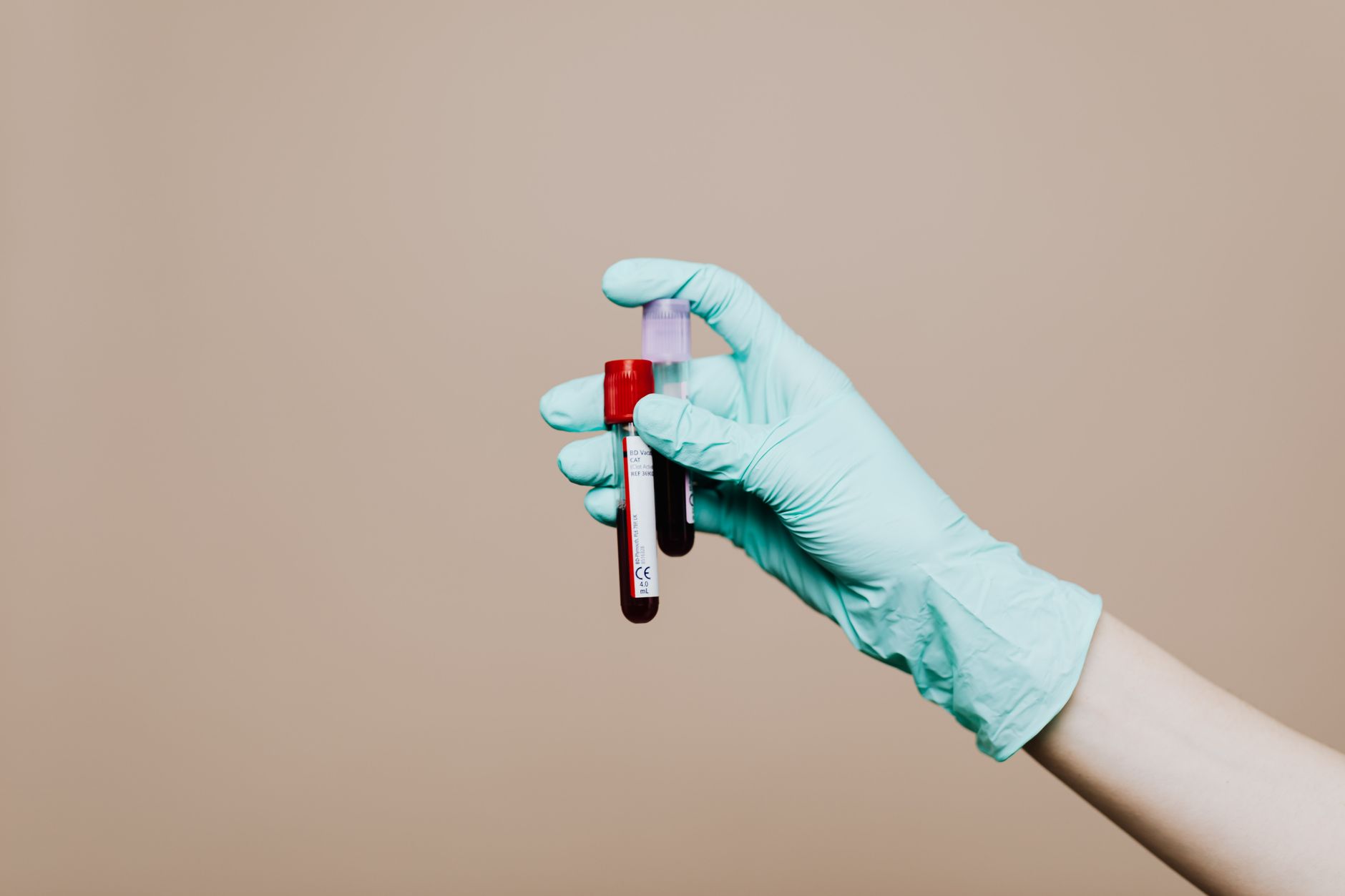
The introduction of rapid, non-invasive tests marks a pivotal shift in how endometriosis is identified. These tests, soon to be available on the NHS in England and Wales, promise to cut down the average nine-year wait for diagnosis significantly. Unlike laparoscopic surgery, which is costly, invasive, and requires recovery time, these new tests can be administered quickly and with minimal discomfort.
One of the tests uses biomarkers detectable in blood, a method underpinned by recent research suggesting that endometriosis leaves distinct biochemical signatures. While further validation is needed before these tests become widespread, their imminent rollout offers hope for earlier intervention, better symptom management, and improved fertility outcomes.
The Broader Impact on Women’s Health and Society
Endometriosis affects approximately one in ten women of reproductive age, yet awareness remains low, and stigma persists around menstrual health. The long diagnostic delays not only exacerbate physical suffering but also take a toll on mental health, careers, and family planning. For example, Iona Hall, diagnosed with Stage 4 endometriosis after six years of daily pain, faced the daunting prospect of urgent egg freezing—a costly and emotionally draining process she had to fundraise for herself.
Rapid testing could prevent many women from reaching such advanced stages of the disease, preserving fertility and reducing the need for radical treatments. Moreover, early diagnosis empowers women to make informed choices about their health and lifestyle, potentially mitigating the condition’s impact on their professional and personal lives.
Challenges Ahead: Awareness and Accessibility
While the technology is promising, experts emphasize that testing alone is not enough. Jakia Hussain, a biomedical scientist and endometriosis advocate, stresses the importance of grassroots education and destigmatization efforts. She advocates for comprehensive school programs that teach young people about menstrual health and conditions like endometriosis and polycystic ovary syndrome.
Healthcare providers also face the challenge of integrating new diagnostic tools into existing care pathways, ensuring equitable access across regions, and training clinicians to recognize symptoms early. Without these systemic changes, rapid tests may not reach their full potential in transforming women’s health outcomes.
Looking Forward: A New Era for Endometriosis Care
The NHS’s decision to roll out rapid tests for endometriosis is a landmark moment in women’s healthcare. It signals recognition of a condition that has long been overlooked and underfunded. For women like Armstrong, Hutchings, and Hall, it offers a glimmer of hope that future generations will not have to endure the same prolonged suffering.
However, the journey doesn’t end with diagnosis. Effective treatment, ongoing support, and continued research into the causes and management of endometriosis remain critical. As awareness grows and diagnostic tools improve, there is an opportunity to rewrite the narrative around this complex condition—transforming it from a hidden burden into a manageable aspect of women’s health.
Recommended reading
For more context, see related Peack News coverage and explainers linked below.