
As energy bills continue their upward climb, many households face the challenge of managing soaring costs without sacrificing comfort. With prices already up nearly 4% and forecasts hinting at a sharper rise of up to 16% in January, the pressure on family budgets is intensifying. While geopolitical tensions in the Middle East largely drive these increases, consumers are not powerless. By adopting strategic habits and understanding their options, households can better navigate this energy squeeze.
Understanding the Price Cap and Its Implications for Consumers
Ofgem, the UK’s energy regulator, sets a price cap that limits what suppliers can charge per unit of gas and electricity for around 20 million households across England, Scotland, and Wales. This cap provides some protection against runaway prices but is directly influenced by wholesale energy costs, which have surged due to global instability. The anticipated 16% hike in January reflects this reality, making it more important than ever for consumers to monitor their energy use closely.
One option gaining attention is switching from variable tariffs—where prices fluctuate every three months—to fixed deals that lock in a rate per unit for a set period. This can offer predictability and potentially protect against sudden spikes. However, fixed deals carry risks: if global tensions ease and wholesale prices fall, customers locked into higher fixed rates could end up paying more. Additionally, some fixed contracts include exit fees that can be costly if consumers want to switch away early.
Consumer watchdogs recommend carefully comparing all available deals, not just those offered by one’s current supplier, and scrutinizing contract terms before committing. Tools and websites dedicated to energy comparison can help households find the best balance of price stability and flexibility.
Smart Metering and Payment Methods: Tools to Control Costs
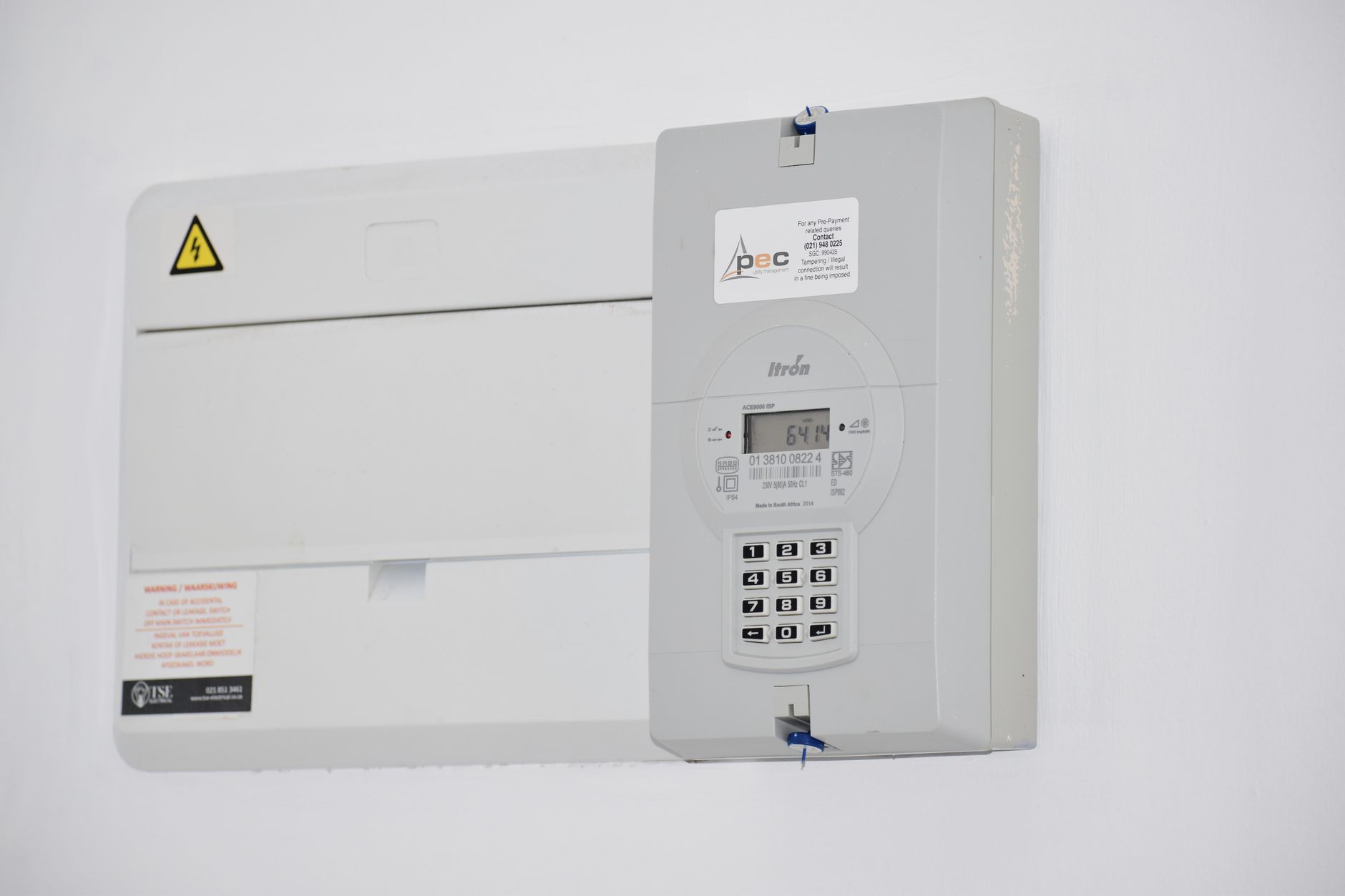
About five million UK households still pay their energy bills quarterly, often to avoid estimated charges that can sometimes be inaccurate. However, this practice can hinder effective budgeting and energy management. Regular meter readings or the installation of smart meters enable more accurate billing and real-time tracking of energy consumption, empowering consumers to adjust usage and avoid surprises.
Paying by monthly direct debit is generally cheaper per unit than standard credit or prepayment methods. While prepayment meters, often used by those on low incomes, historically charged higher rates, recent changes mean these customers now pay slightly less than the capped direct debit variable rate. Switching to direct debit may also be a prerequisite for accessing certain fixed-rate deals.
Practical Steps to Reduce Energy Use at Home
Simple behavioral changes can make a meaningful difference in energy bills without compromising comfort. Experts suggest “heating the human, not the home,” meaning that wearing warmer clothes indoors, using blankets, and enjoying hot drinks can reduce the need to crank up heating.
- Turn off radiators in unused rooms and seal drafts to prevent heat loss.
- Lower the flow rate on combi boilers to avoid overheating water unnecessarily.
- Batch cook meals and use energy-efficient appliances like air fryers or microwaves instead of the oven for small portions.
- Take shorter showers and wash clothes at 30°C rather than higher temperatures.
- Dry clothes outdoors when possible or ventilate well indoors to prevent dampness.
These adjustments, while modest, can collectively reduce consumption and ease the financial burden during colder months.
Support Schemes and Assistance for Vulnerable Households
Recognizing the strain on families, the government and energy suppliers offer various forms of support, particularly for those on low incomes or receiving benefits. This winter, households on means-tested benefits will automatically receive a £150 discount on their electricity bills, except in Scotland where they must apply directly. Additional help includes Cold Weather Payments and the Winter Fuel Payment, the latter extended to all pensioners following public pressure.
Energy companies also provide hardship grants and the Fuel Direct Scheme helps spread debt repayments over time. For those considering home improvements, grants are available for insulation, solar panels, and heat pumps, which can reduce long-term energy costs. However, consumers should remain vigilant against scams posing as official grant programs.
Long-Term Considerations: Renovations and Appliance Choices
For those planning to move or renovate, investing in energy efficiency can pay dividends. Choosing energy-efficient appliances, improving home insulation, and installing renewable energy technologies can significantly reduce energy consumption and future bills. Although these measures require upfront costs, they offer resilience against volatile energy markets and contribute to environmental sustainability.
In a landscape where energy prices are volatile and likely to remain high, a combination of informed decision-making, practical energy-saving habits, and tapping into available support can help households maintain warmth and financial stability this winter and beyond.
Recommended reading
For more context, see related Peack News coverage and explainers linked below.