
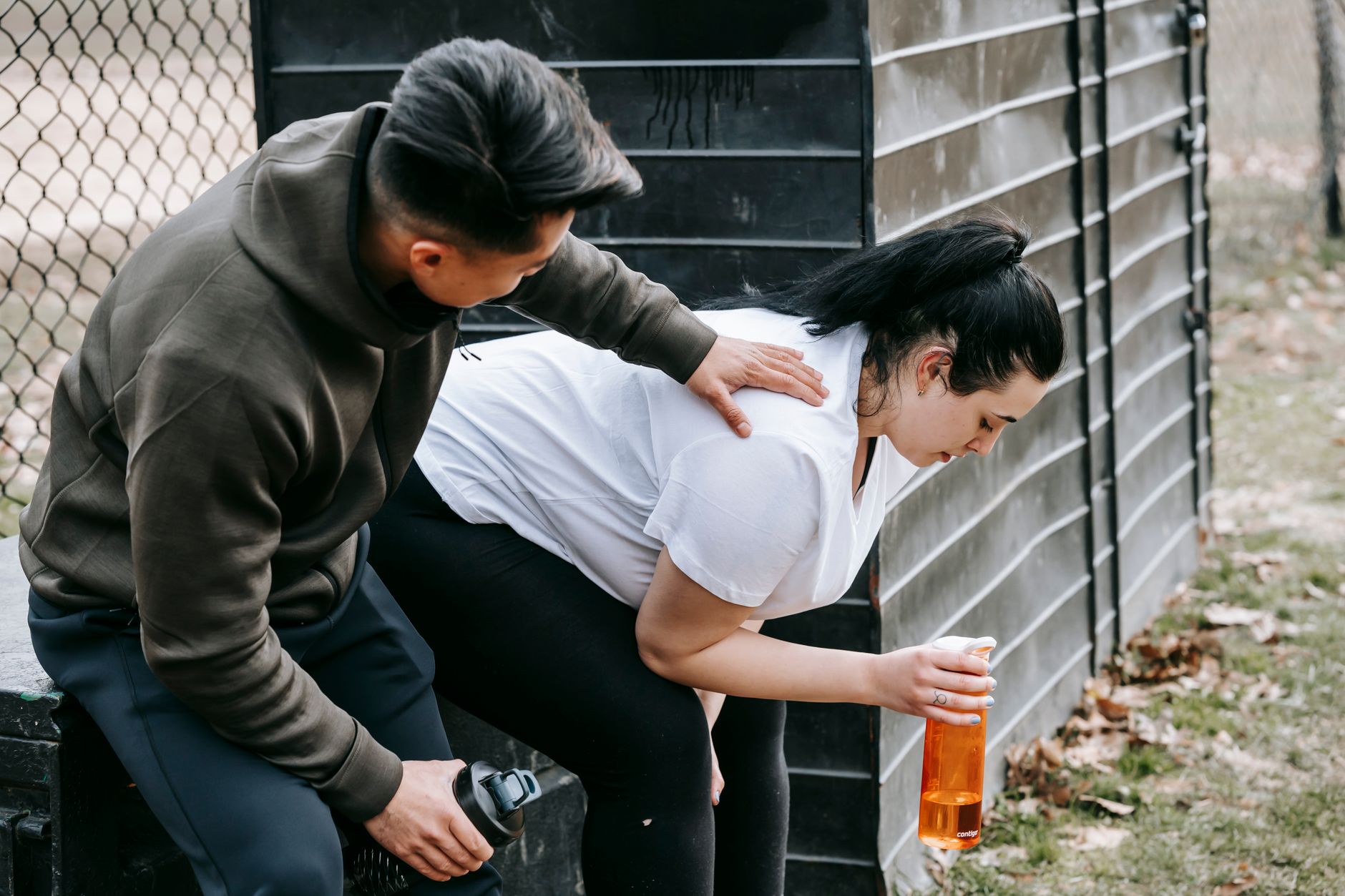
Megan Hamon’s journey from a life dominated by excessive partying and drinking to one centered on exercise and mental health recovery highlights a growing trend among young adults seeking healthier coping mechanisms. Struggling with the emotional fallout of the Covid-19 pandemic and a difficult breakup, Hamon found herself trapped in a cycle of self-neglect and low self-confidence. Her decision to turn 30 marked a pivotal moment, prompting a lifestyle overhaul that combined physical activity with therapy, ultimately transforming her wellbeing.
From Partying to Purpose: The Turning Point at 30
For many, the transition into their thirties signals a period of reflection and reassessment, and for Megan Hamon, it was no different. The pandemic intensified feelings of isolation and emotional distress, exacerbating her reliance on partying and alcohol as temporary escapes. Hamon admits she had not fully processed her emotions during this time, leading to a gradual decline in both mental and physical health.
Recognizing the unsustainable nature of her lifestyle, Hamon made a conscious decision to seek change. This shift was not instantaneous but involved deliberate steps including joining a gym, embracing running, and committing to therapy sessions. The combination of exercise and professional support helped her rebuild her self-confidence and develop healthier habits.
Exercise as a Catalyst for Mental Health Recovery
While therapy provided Hamon with essential emotional tools, it was the physical activity that she credits with giving her an immediate boost in confidence and mood. Exercise is widely recognized for its benefits in reducing symptoms of depression and anxiety, releasing endorphins, and fostering a sense of accomplishment.
Hamon’s experience underscores how physical fitness can complement psychological treatment. She notes that even on days when she feels low, a good workout can lift her spirits and reinforce her commitment to a healthier lifestyle. This synergy between mind and body is increasingly acknowledged by mental health professionals as a vital component of recovery.
Breaking the Cycle: Inspiring Others Through Transparency
A key element of Hamon’s story is her openness in sharing her struggles and successes on social media. By candidly discussing her past and present, she hopes to encourage others caught in similar cycles of excessive drinking and partying to seek alternative ways to cope.
Her narrative resonates particularly with younger generations, who, according to therapist Sally Agathangelou, are more willing than previous cohorts to engage with therapy and mental health support. Agathangelou highlights that while the reasons people turn to harmful behaviors vary—from drinking and gambling to self-harm—the underlying issue often relates to coping with emotional pain.
The willingness of young people to seek help represents a cultural shift in attitudes toward mental health, reducing stigma and promoting recovery. Hamon’s story not only illustrates personal resilience but also reflects this broader societal change.
The Broader Implications of Lifestyle Changes Post-Pandemic
The Covid-19 pandemic left many individuals grappling with mental health challenges, and Hamon’s experience is emblematic of a larger pattern. The disruption of normal social routines led some to unhealthy behaviors, while others, like Hamon, used the upheaval as a catalyst for positive transformation.
Her journey also highlights the importance of accessible mental health services and community support systems that encourage holistic approaches—combining therapy, physical activity, and social connection. As more people share their recovery stories, there is potential for greater public awareness and improved resources for those struggling with similar issues.
Ultimately, Megan Hamon’s story is a testament to the power of self-awareness and proactive change. It offers hope that even after periods of hardship and self-destructive habits, recovery is possible through commitment, support, and the simple yet profound act of moving one’s body.
Recommended reading
For more context, see related Peack News coverage and explainers linked below.