
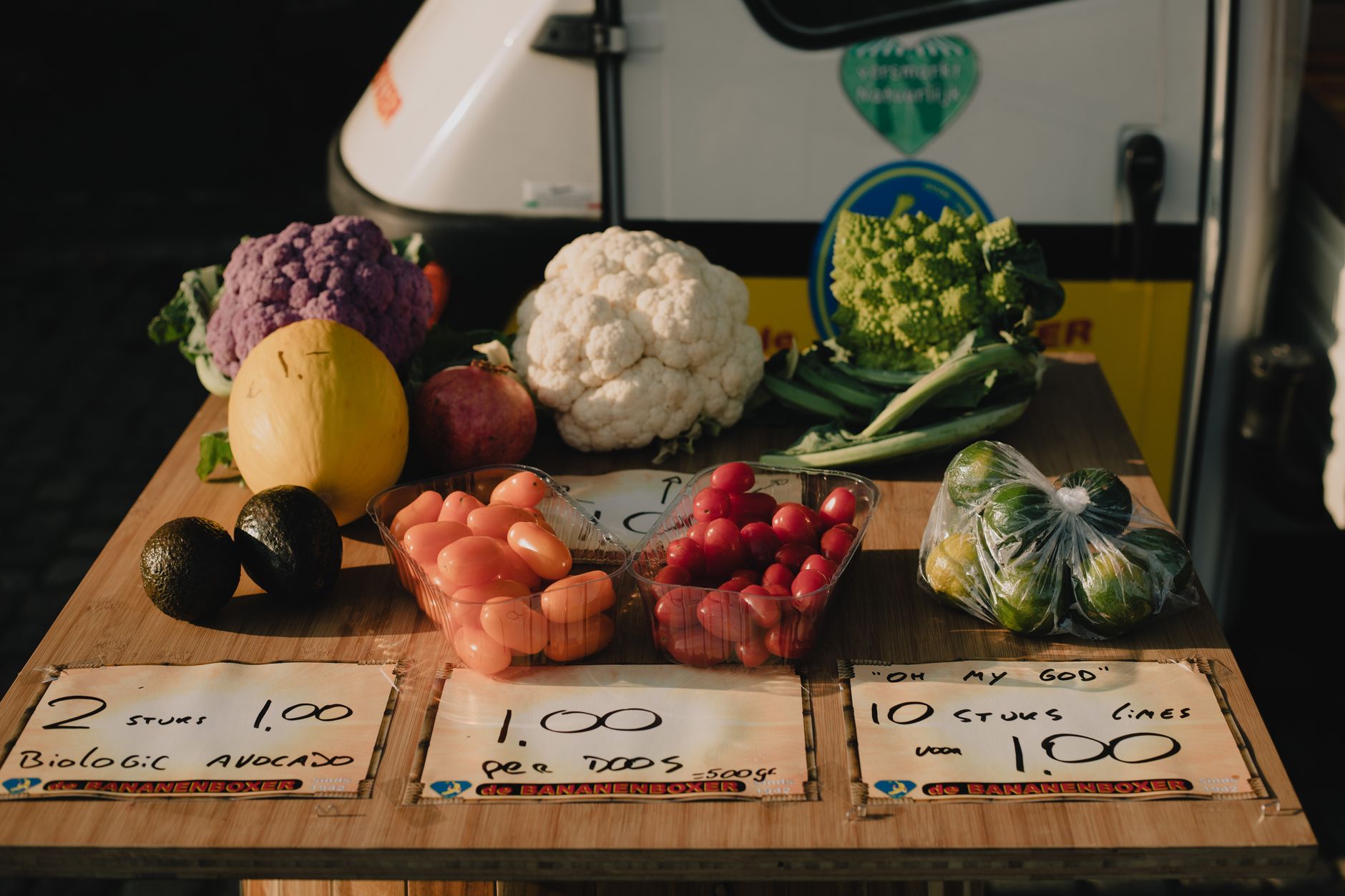
Farmers across Scotland are expressing deep unease as the Scottish government advances plans to introduce price caps on essential food items, a move intended to ease the cost of living crisis for consumers but one that threatens to squeeze margins for producers at the very start of the food supply chain.
Farmers Fear the Financial Burden Will Land on Their Shoulders
Jamie Wyllie, a farmer in East Lothian and an officeholder in the National Union of Farmers Scotland, describes the prospect of food price caps as a source of “sleepless nights.” While the government insists the financial impact will fall on large supermarkets, Wyllie and many of his peers are skeptical. They anticipate that retailers will pass the costs down the chain, ultimately landing on farmers who already operate with minimal profit margins.
“I struggle to see how, or why, they would swallow that cost,” Wyllie explains. “They’ll pass it down to us. We see it all the time.” As the “bottom of the food chain,” farmers like Wyllie feel trapped, unable to pass increased costs further along. The worry is that these price controls, while designed to protect consumers, will instead threaten the viability of farms that supply the very products being capped.
Rising Costs Compound Pressure on Producers
Wyllie’s concerns come at a time when farmers are already grappling with significant cost pressures. Recent hikes in national insurance contributions, impending UK-wide taxes on fertiliser, and soaring energy bills have all contributed to a challenging economic environment for food producers.
For instance, Wyllie cites his farm’s monthly standing electricity charge of around £1,500 before any usage, a stark illustration of the fixed costs that must be met regardless of market conditions. These rising expenses reduce the already thin margins farmers operate within, intensifying fears that price caps could tip the balance from sustainability to loss.
Such financial strain is not merely an abstract concern. Wyllie points out that some farmers might reconsider their entire business model, potentially shifting away from food production to non-food crops or even selling land for alternative uses such as data centres. This potential shift could have far-reaching consequences for Scotland’s food security and rural economies.
The Scottish Government’s Price Cap Proposal and Its Ambiguities
The Scottish government’s plan is to cap prices on up to 50 essential food items, including staples like milk, eggs, cheese, and rice. Large supermarkets would be required to offer at least one variety of these items at the capped price, with the option to provide similar products at the same price if the first runs out.
John Swinney, Scotland’s Deputy First Minister, frames this policy as a “public health responsibility,” aimed at ensuring families can afford a healthy diet amid rising living costs. However, many details remain unclear, including the full list of products to be capped and the specific price points.
The policy is currently under consultation, with a wide range of stakeholders invited to provide feedback. Notably, 23 organisations representing various sectors of the food supply chain have already urged the government to reconsider, warning that the plan could have unintended negative consequences.
Balancing Consumer Protection and Producer Viability
The upcoming ‘fair food summit’ hosted by the Scottish government aims to bring together producers, retailers, and policymakers to find common ground. Business Minister Tom Arthur has emphasized the goal of ensuring affordability for consumers “in a way that works” for all parts of the supply chain.
Yet, the fundamental tension remains: how to protect consumers from soaring food prices without undermining the financial health of producers who supply those foods. Many farmers see the price cap as a blunt instrument that risks exacerbating existing challenges rather than alleviating them.
Wyllie highlights the multifaceted roles farmers already juggle — from managing accounts to operating machinery — and worries that additional regulatory burdens could push some out of the industry. “Every time other items get thrown in, like this price cap, it does affect you. It does keep you up at night,” he says.
Political Determination Meets Practical Complexity
John Swinney remains resolute that tackling the cost of living crisis is a top priority, and price caps are a bold step toward that goal. However, legal and practical hurdles loom large. The UK government has taken a less interventionist approach, encouraging voluntary price freezes rather than mandating them, highlighting the complexity of enforcing such measures.
The Scottish government’s own impact assessment hints at adjustments to the policy, such as allowing prices to rise more slowly than inflation rather than imposing absolute caps. Such compromises may be necessary to balance competing interests.
Ultimately, the challenge lies in crafting a policy that simultaneously shields consumers from price shocks and sustains the farmers who feed the nation. Without careful calibration and ongoing dialogue, the risk is that well-intentioned measures could destabilize Scotland’s agricultural sector, with repercussions that extend far beyond supermarket shelves.
Recommended reading
For more context, see related Peack News coverage and explainers linked below.
- Reflection-aware AI creates more realistic 3D scene views by understanding mirrors
- Evaluating AI Explanations: When Do Language Models’ Reasons Match Their Actions?
- New Benchmark and Method Boost AI’s Ability to Navigate Korean Government APIs
- Explainer: Complete Guide to AI Regulation
- Explainer: Global AI Companies Landscape