
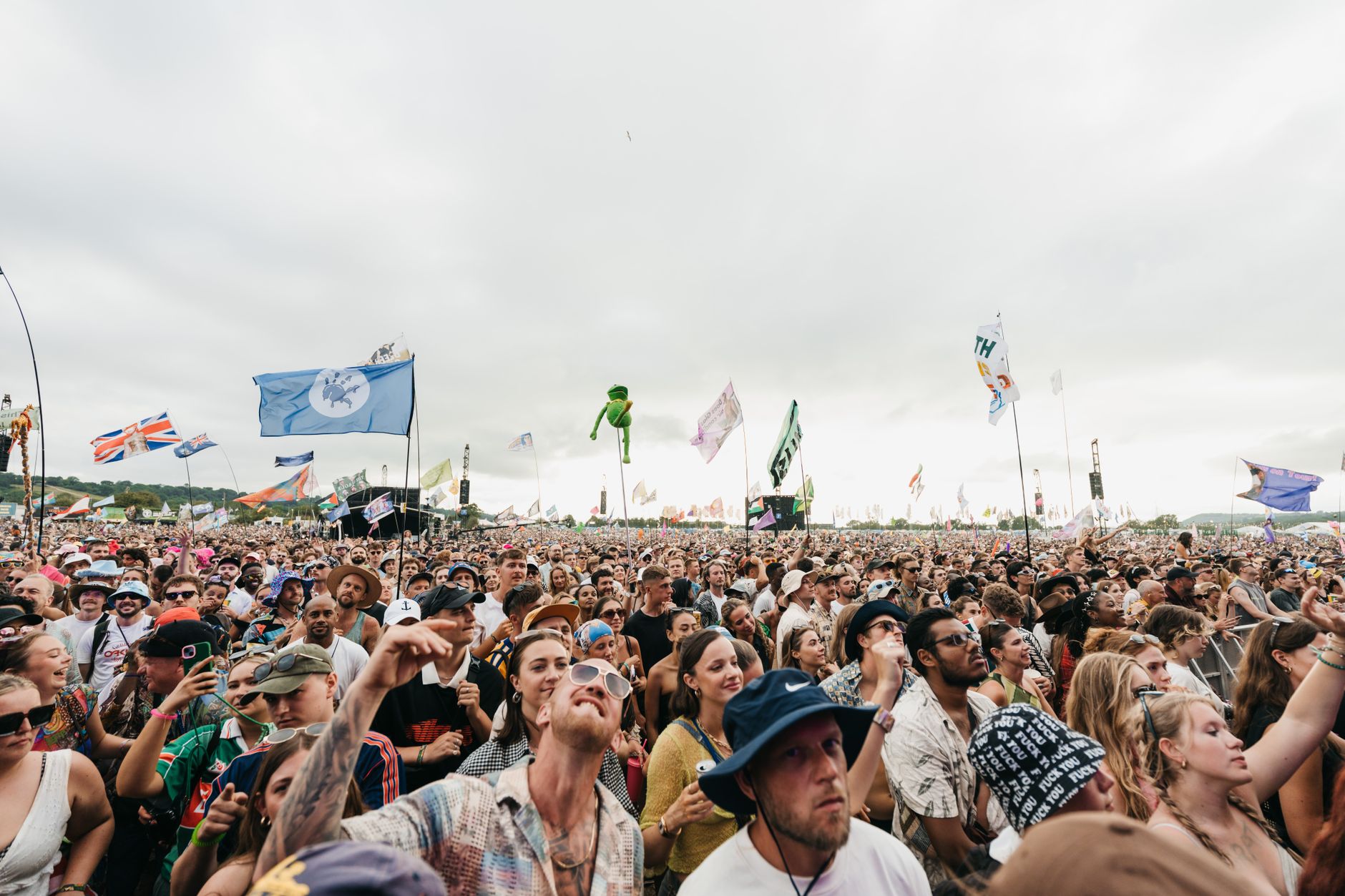
Glastonbury Festival fans eager to see Madonna take the iconic Pyramid Stage will have to wait longer. Emily Eavis, co-organiser of the legendary music festival, has firmly denied rumours that the Queen of Pop will headline the 2027 event. Despite widespread speculation fueled by Madonna’s recent hints about a major UK performance next summer, Eavis confirmed that the festival’s headliners are already locked in—and Madonna is not among them.
Separating Fact from Fiction: The Reality Behind Glastonbury 2027 Lineup
Glastonbury, often regarded as the pinnacle of British and global music festivals, has a tradition of securing headline acts that define the cultural moment. The anticipation for the 2027 lineup has been intense, with fans and media alike dissecting every hint and whisper. Madonna’s recent comments on a BBC talk show about planning something significant in the UK next year sparked a flurry of speculation that she might finally grace Glastonbury’s stage—something she has never done despite her global stature.
However, Emily Eavis was unequivocal in her response during an interview on BBC Radio 4’s PM programme. She stated, “No, it’s definitely not Madonna,” putting an end to the rampant rumours. While she remained tight-lipped about the actual headliners, Eavis revealed that three acts have already been booked, and the festival’s preparations are progressing well.
Why Madonna’s Absence at Glastonbury Matters
Madonna’s absence from Glastonbury is notable given her status as one of the most influential and enduring pop icons. The festival has historically been a platform for legendary performances, from David Bowie to Beyoncé, often marking career-defining moments for artists. Madonna’s elusive relationship with the festival has puzzled fans and industry insiders alike, especially as she remains active and influential in the music scene.
Her decision to bypass Glastonbury could be strategic or personal, but it also highlights the evolving dynamics of festival culture. As artists weigh the benefits of live performances, exclusivity, and audience reach, their choices reflect broader trends in the music industry. Madonna may be focusing on other venues or formats that align better with her current artistic vision or logistical preferences.
Alternative Venues and the Future of Pop Performances
Reports from sources like The Sun suggest Madonna might be planning a record-breaking three-night residency at London’s Hyde Park instead of a Glastonbury appearance. If confirmed, this would mark a significant moment in live music, emphasizing how large-scale urban concerts are becoming increasingly attractive for major artists.
Such residencies allow for more controlled environments, tailored production, and potentially greater financial returns. For a global superstar like Madonna, this could offer an ideal platform to deliver a highly curated experience without the sprawling logistics of a festival setting. This shift also reflects how live music consumption is diversifying beyond traditional festivals.
The Challenge of Rumours in Festival Culture
Emily Eavis also addressed the broader issue of misinformation surrounding Glastonbury’s lineup. She noted that “95% of the stories you read are not true,” underscoring the challenge festivals face in managing expectations and controlling narratives in an era dominated by social media speculation.
This phenomenon is not unique to Glastonbury. Across the music festival circuit, rumours often circulate months in advance, driven by fan wishlists, artist hints, and media conjecture. While this can create buzz, it also risks disappointment and confusion when expectations are not met. Eavis’s candid remarks serve as a reminder to approach such news with caution.
Looking Ahead: Glastonbury’s Role in Supporting the Arts
Beyond the lineup chatter, Emily Eavis used her platform to advocate for the arts, particularly emphasizing the importance of music education and the preservation of smaller music venues. With the UK’s cultural sector facing financial pressures, Eavis expressed hope that new leadership under Prime Minister Andy Burnham would prioritize support for this vital ecosystem.
Glastonbury has long been more than just a festival; it is a cultural institution that nurtures emerging talent and celebrates creative innovation. Protecting the infrastructure that feeds into such events is crucial for sustaining the UK’s global reputation as a music powerhouse. Eavis’s comments highlight the interconnectedness of grassroots music scenes, education, and major festivals.
As Glastonbury prepares for its return in June 2027 after a fallow year in 2026, the festival continues to hold a mirror to the music industry’s evolving landscape. While Madonna’s absence might disappoint some, the anticipation for the confirmed headliners and the festival’s broader cultural mission remains undiminished.
Recommended reading
For more context, see related Peack News coverage and explainers linked below.