
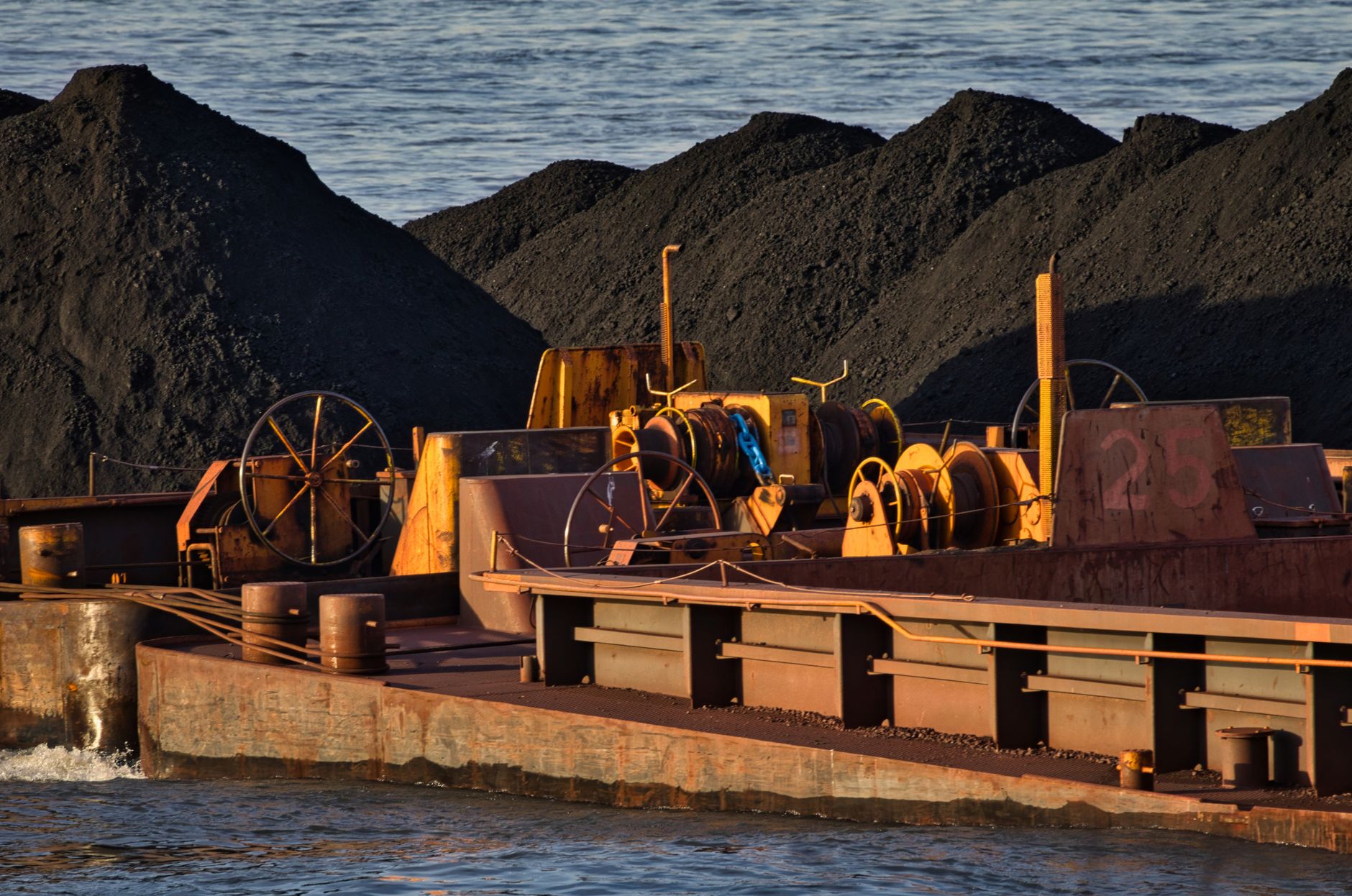
A coalition of Australian citizens has launched a groundbreaking legal challenge at the United Nations, asserting that the Australian government’s ongoing approval and export of coal and gas violate their fundamental human rights. This unprecedented case argues that the government’s fossil fuel policies directly contribute to worsening climate-induced disasters—such as bushfires, floods, and heatwaves—that have already inflicted severe harm on communities across the country.
Linking Fossil Fuel Exports to Human Rights Violations
The group contends that Australia’s massive coal and gas export industry, one of the largest globally, fuels climate change impacts that have tangible and devastating effects on the lives of its own citizens. They maintain that by continuing to approve and subsidize fossil fuel projects without adequate measures to protect the populace, the government is breaching its duty to safeguard human rights. This claim is anchored in the lived experiences of individuals who have suffered displacement, injury, and loss due to climate-related crises exacerbated by rising global emissions.
Key plaintiffs include Dr. Barry Traill, a wildlife ecologist and volunteer firefighter who witnessed firsthand the deadly consequences of increasingly severe bushfires. Traill recalls the 2009 Black Saturday fires, which claimed the lives of several friends despite their preparedness, and the 2019 Black Summer fires that underscored climate change’s immediate threat to Australian communities. His testimony highlights a grim reality: climate change is no longer a distant threat but a current killer.
Personal Stories Illuminate Broader Climate Struggles
The case gains emotional and ethical weight through personal narratives that reveal how climate change impacts Australians differently. For example, Brendon Donohue, who lives with blindness and mobility challenges, was trapped in his Brisbane apartment for ten days during 2022 floods that knocked out power and disabled emergency systems. Donohue’s experience underscores the disproportionate vulnerabilities faced by disabled and marginalized populations during climate disasters.
Another plaintiff, Professor Anne Poelina, an Indigenous leader from Western Australia’s Kimberley region, describes the cultural and environmental devastation wrought by catastrophic flooding around the Fitzroy River. For her community, the health of the river is inextricably tied to the health of its people and their cultural heritage. Poelina warns of the irreversible loss of intergenerational knowledge that is passed down through direct connection to the land—knowledge endangered as climate impacts force displacement and environmental degradation.
The International Legal Precedent and Australia’s Responsibility
This UN case marks the first time since the 2025 ruling by the International Court of Justice (ICJ) that countries can be held accountable for climate change-related harms in an international legal forum. The ICJ’s landmark decision established that states may be sued for failing to curb emissions or for their historic contributions to global warming.
While any decision by the United Nations Human Rights Committee will not be legally binding, it carries significant moral and diplomatic weight. Australia, as a leading coal and gas exporter, faces mounting international scrutiny over its climate policies. Legal experts involved in the case emphasize that Australia’s climate responsibility transcends its borders, given the global nature of greenhouse gas emissions and their cascading effects worldwide.
Potential Ramifications for Australia and Global Climate Governance
The UN complaint places Australia at a crossroads. On one hand, the government has long defended its fossil fuel industry as vital to economic growth and energy security. On the other, the growing recognition of climate change as a human rights issue challenges traditional narratives prioritizing short-term economic gains over long-term planetary and societal well-being.
If the UN committee finds Australia’s policies unlawful under human rights frameworks, it would set a powerful precedent for holding major fossil fuel exporters accountable for climate harms. This could catalyze a shift in international climate diplomacy, pushing more countries to align their energy policies with human rights obligations.
Domestically, the case amplifies calls for Australia to accelerate its transition away from coal and gas, invest in renewable energy, and implement robust protections for communities vulnerable to climate impacts. It also spotlights the voices of Indigenous peoples and disabled citizens, whose experiences have often been marginalized in climate debates.
Australia’s Climate Policy Under the Microscope
The legal challenge arrives amid heightened global pressure on Australia to reconcile its climate commitments with its fossil fuel exports. Despite pledges to reduce emissions, Australia has continued approving new coal mines and gas projects, drawing criticism from environmental groups and international observers alike.
Environment Minister Murray Watt has yet to publicly respond to the UN filing, but the government’s stance will be closely watched. This case could compel policymakers to confront the contradictions between Australia’s climate rhetoric and its export practices.
Ultimately, this lawsuit illustrates a growing trend: framing climate change as a human rights crisis that demands urgent legal and political action. For Australia, the outcome may well redefine the nation’s role in the global fight against climate change and set a benchmark for accountability in an era of escalating environmental emergencies.