
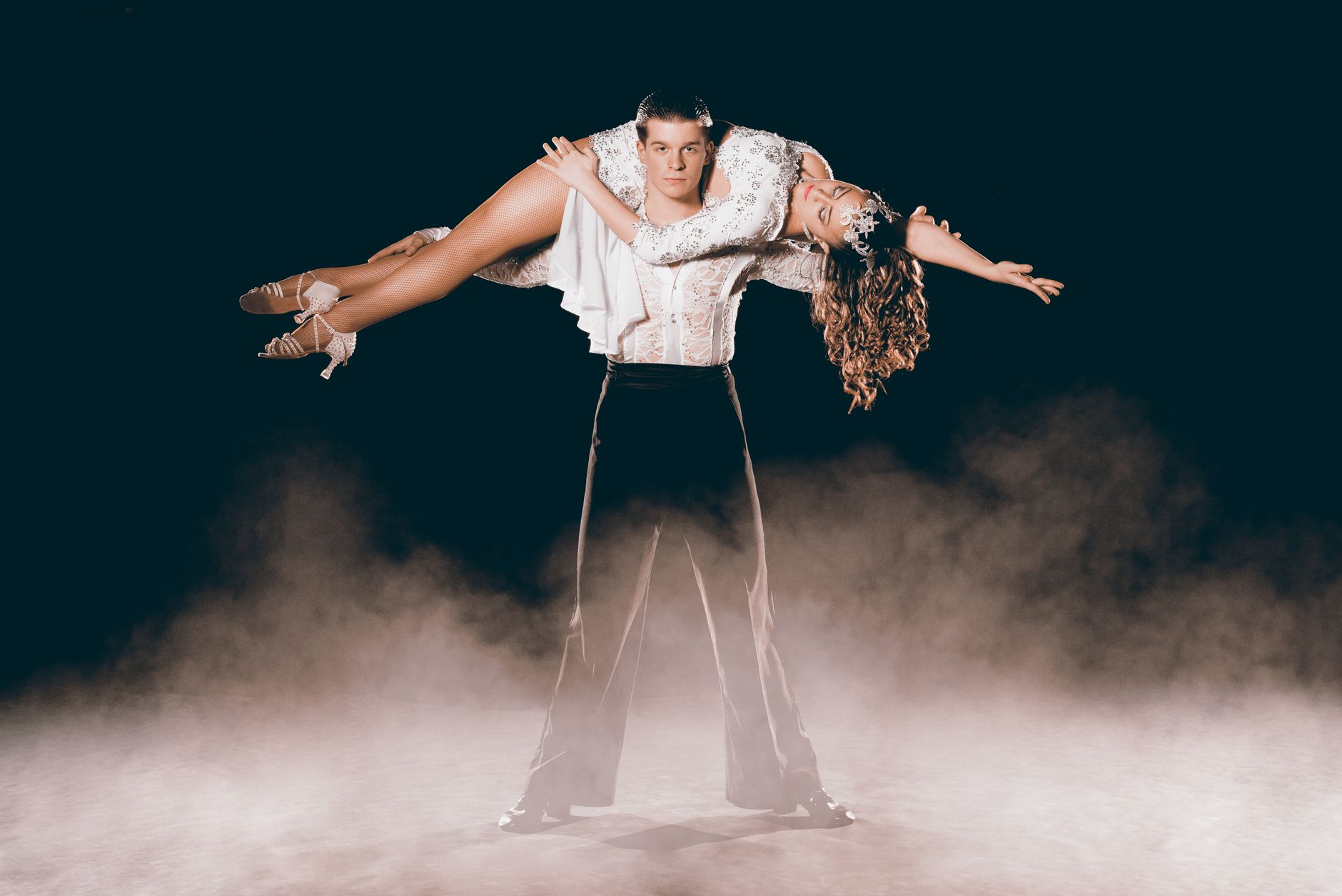
The latest series of Strictly Come Dancing has seen a significant shake-up in its presenting lineup, with Josh Widdicombe, Emma Willis, and Johannes Radebe stepping into roles previously held by the beloved duo Tess Daly and Claudia Winkleman. Initial reactions to the new trio were far from warm, with critics and fans alike expressing doubts about the chemistry and format changes. However, as the show progresses, there are signs that the presenters are settling into their roles and finding a rhythm that could restore some of the show’s former sparkle.
From Duo to Trio: A Risky Reshuffle
Replacing Tess Daly and Claudia Winkleman, who had become synonymous with Strictly’s charm over many years, was always going to be a daunting challenge. The decision to move from a two-presenter format to a trio added complexity, disrupting the familiar dynamic that viewers had grown to love. Emma Willis, known for her smooth professionalism on shows like Big Brother and The Voice, was paired with comedian Josh Widdicombe to handle the live show hosting duties. Meanwhile, Johannes Radebe, a former professional dancer known for his flamboyance and warmth, took over the post-dance interviews from Winkleman.
Critics initially described the new arrangement as awkward and disjointed. Early reviews labeled the trio’s interactions as a “confusing pudding” and “TV’s most awkward ménage à trois,” highlighting a lack of natural flow and chemistry. Widdicombe, in particular, was singled out for feeling out of place, with some commentators describing him as a “work experience boy” rather than a confident presenter.
Finding Their Footing: Gradual Improvement on Live TV
Despite the rocky start, recent episodes suggest the trio is adapting to the pressures of live prime-time television. Observers note that Emma Willis and Josh Widdicombe have become more comfortable during the scripted segments introducing each dance, with their confidence visibly improving. The challenge remains for Widdicombe to balance his comedic instincts with the tight timing and formal structure of the show. His natural impulse to inject spontaneity sometimes clashes with the fast-paced, tightly choreographed format, leading to moments that feel rushed or attention-seeking.
Critics and fans alike acknowledge that this tension is not necessarily a flaw but part of a learning curve. Some viewers have started warming to Widdicombe’s offbeat humour, appreciating the fresh energy he brings to the proceedings. Emma Willis, meanwhile, is praised for her steady presence, anchoring the live show with the experience she has gathered from previous high-profile presenting roles.
Johannes Radebe’s Niche: From Dance Floor to Supportive Host
Johannes Radebe has emerged as a highlight for many fans and critics. His transition from professional dancer to presenter has been described as “beautiful,” combining technical dance knowledge with genuine empathy for the contestants. Positioned upstairs during the live show for post-performance interviews, Radebe offers a warm, supportive presence that contrasts with the more comedic or formal elements downstairs.
His flamboyant style and fashion choices have also been a talking point, adding a vibrant visual flair that resonates well with the audience. Some commentators suggest that Radebe’s strengths might be better utilized if he were repositioned as a “talent pundit,” providing expert insights from the rehearsal rooms and backstage, rather than managing the sometimes chaotic post-dance interviews.
Audience Reaction and Ratings: A Mixed Picture
The changes in presenting have coincided with a dip in ratings, with the current series drawing around six million viewers weekly, down by approximately one million compared to previous years. While it is difficult to attribute this solely to the new hosts, the altered dynamic and initial awkwardness may have contributed to some viewers switching off.
However, podcast hosts and dance experts note that the trio is growing into their roles and that the show’s core appeal—the celebrity contestants’ dance journeys—remains intact. The presenters’ gradual improvement is likened to the contestants’ own progress on the dance floor, suggesting that patience could pay off as the series unfolds.
Looking Ahead: Can the New Trio Win Over the Audience?
One of the unique aspects of Strictly Come Dancing is that while viewers can vote to keep their favourite dancers in the competition, the presenters are not subject to the same scrutiny. This means the trio has the opportunity to evolve without the immediate threat of being “voted off.” Their success will depend on how well they can balance scripted content with spontaneity, harness their individual strengths, and develop a cohesive on-screen chemistry.
As the show continues, producers may consider tweaking roles further to maximize each presenter’s potential—perhaps giving Radebe a more analytical role and allowing Widdicombe greater freedom to improvise. Emma Willis’s experience will likely remain key in maintaining the show’s structure and flow.
Ultimately, the new presenting team’s journey is a reminder that even the most polished entertainment formats must sometimes undergo growing pains to refresh and remain relevant. For Strictly Come Dancing, the dance between tradition and innovation continues—both on the floor and behind the microphone.
Recommended reading
For more context, see related Peack News coverage and explainers linked below.